Geopolitics | military operation | coercive foreign policy | transactional | narco-trafficking
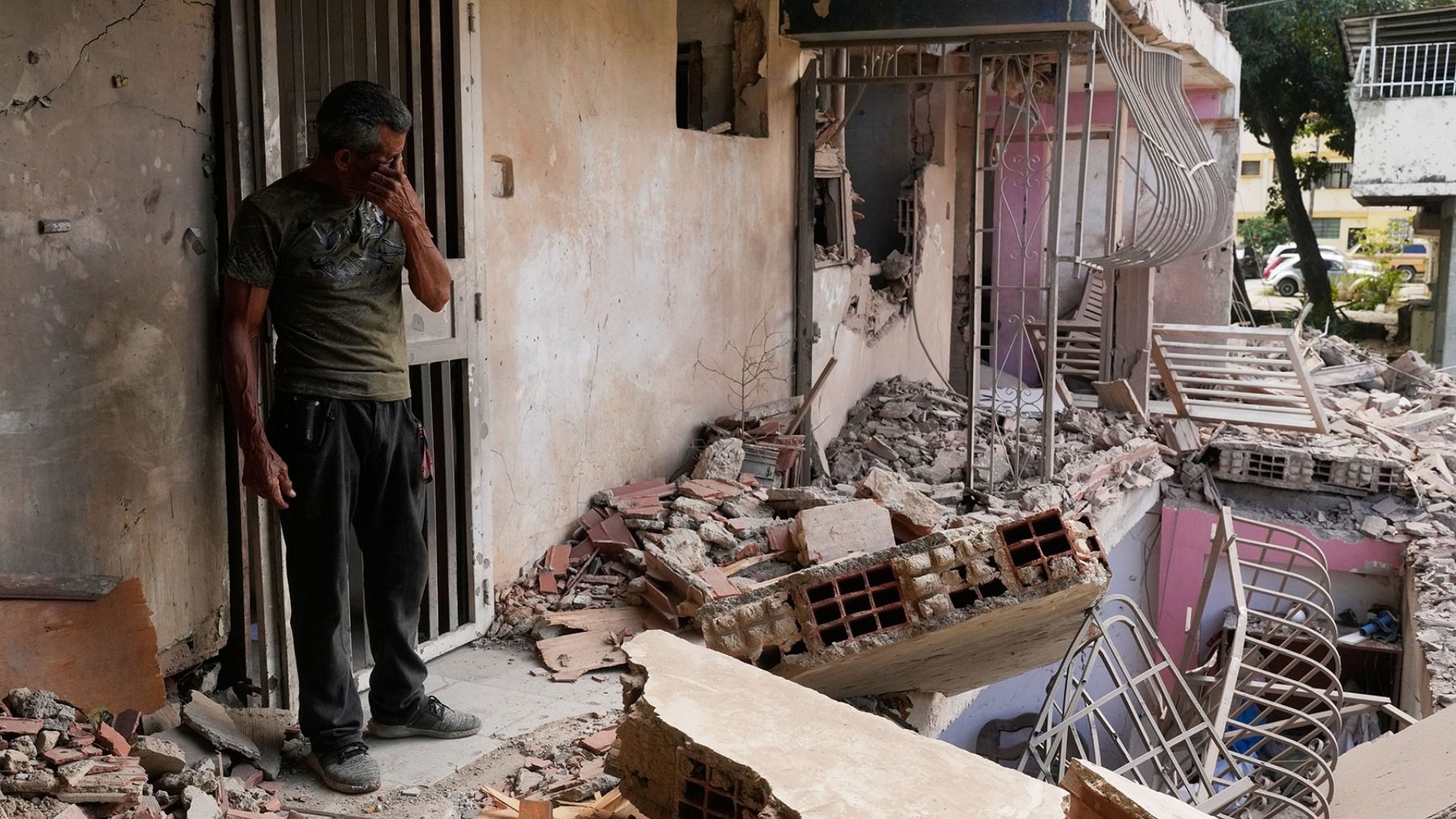
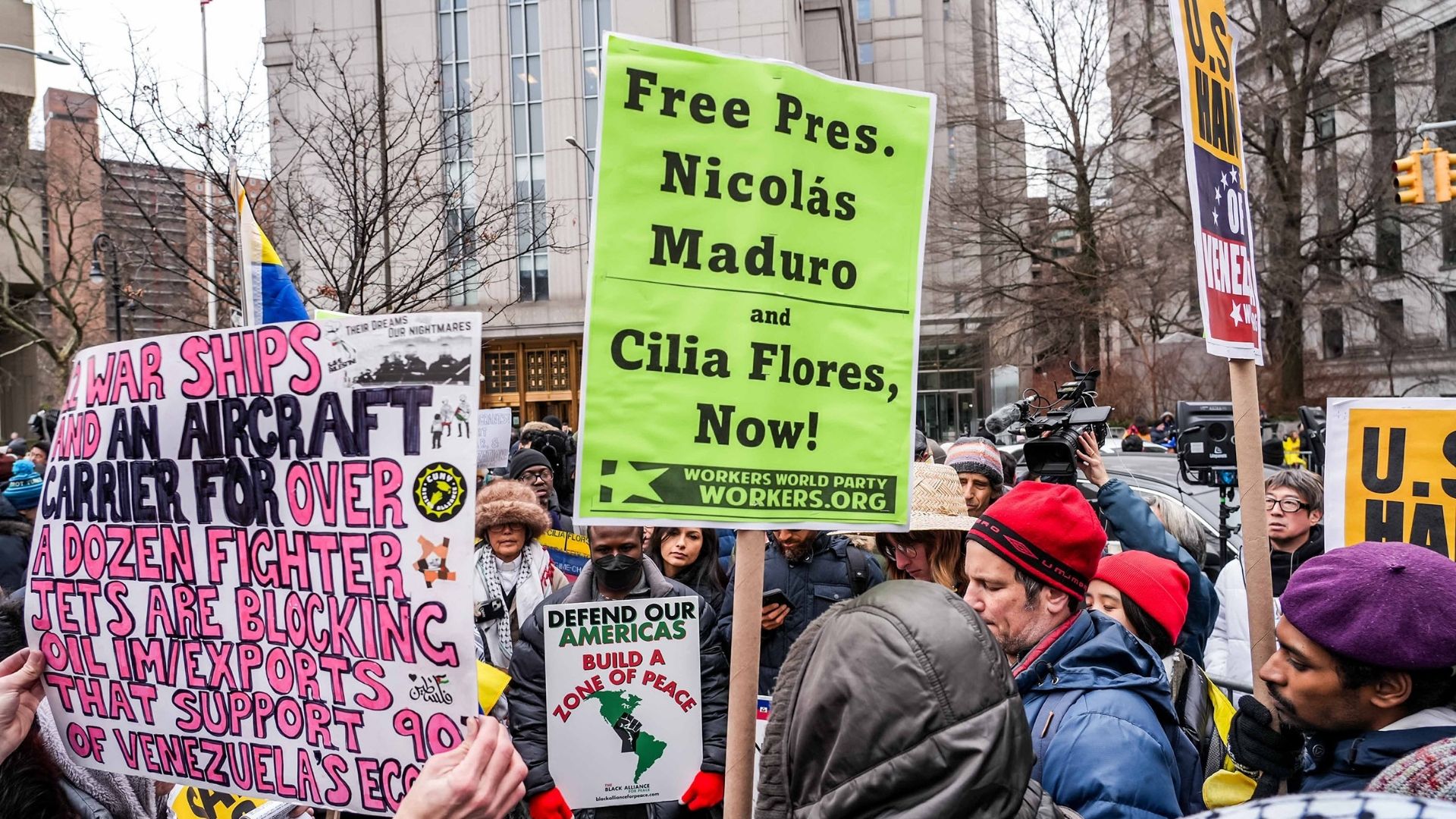
In the early hours of Saturday, while the darkness still reigned, US forces attacked Caracas, the Venezuelan capital city, bombed its military bases and captured Venezuelan president Nicolás Maduro and his wife Cilia Flores killing at least 32 military personnel during its regime change military operations under the Trump administration.
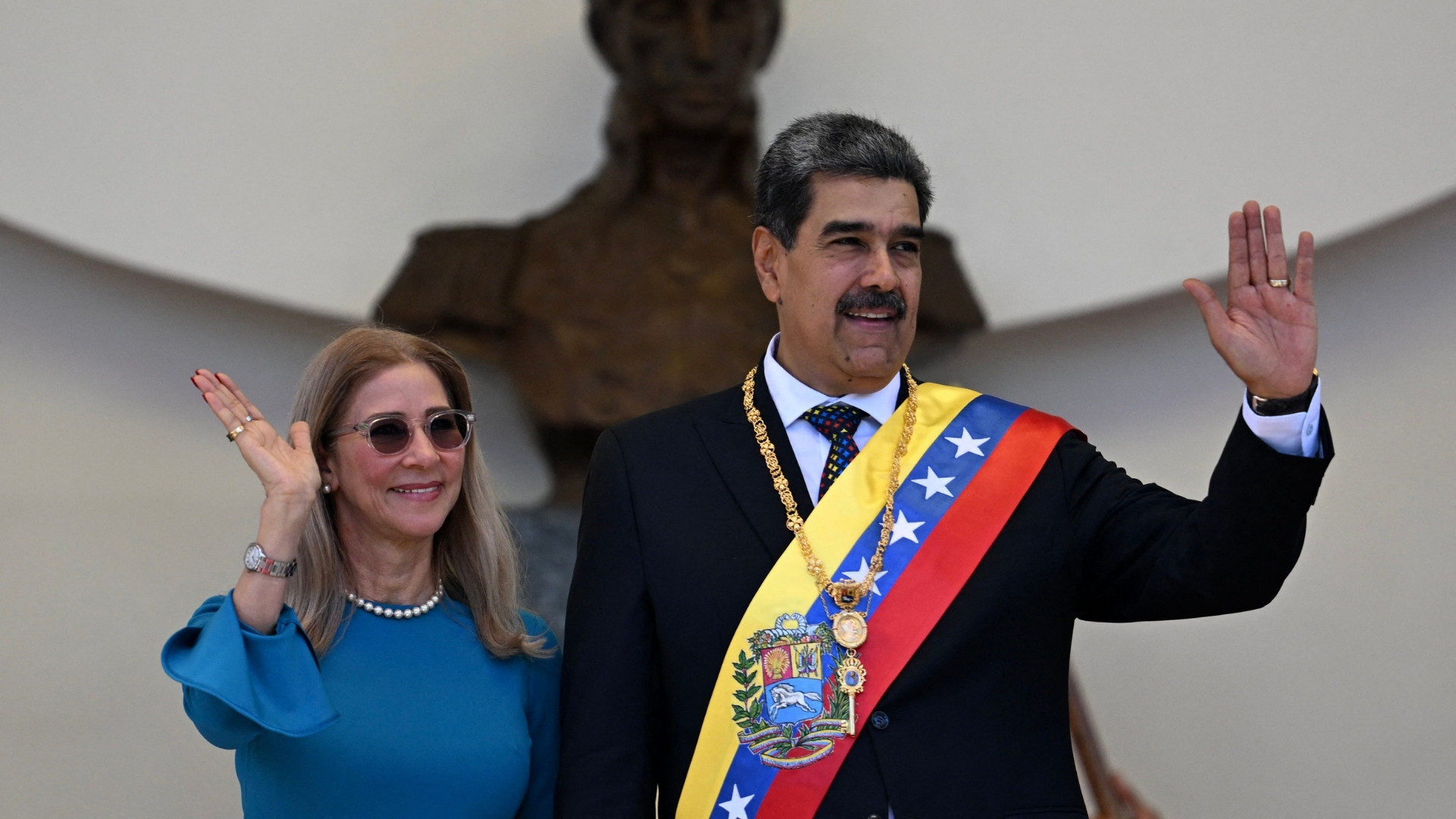
The two were taken into custody to face US federal narco-trafficking charges in New York with Maduro taken to a prison in Brooklyn, scheduled to appear at Manhattan’s federal court.
Sour relations between US-Venezuela since 2000s
The US and Venezuela have shared a strained relationship since the times of Hugo Chavez who governed Venezuela since the late nineties. Chavez came to power in 1999 with an anti-US imperialism campaign and pursued an agenda focused on asserting its sovereignty. Additionally, he aligned with countries like Cuba, China, Russia and Iran.
In 2002, a coup attempt against Chavez failed, which he accused was a US attempt. Relationships soured since as Chavez nationalised parts of the oil industry and expelled US oil giants like the ExxonMobil and ConocoPhillips in 2007.
After Chavez’s death in 2013, his deputy Maduro assumed office after winning an election. Venezuela’s economy was already showing signs of recession during Chavez’s time, which suffered badly following Maduro’s time in the office while the US squeezed it further by applying different economic sanctions.
Several reports claimed bad macroeconomic policies, heavy dependence on oil revenues and failure to diversify, and politicisation of the central bank behind its economic fallout. Politics on the other hand ran on socialist commitments, which proved fiscally unsustainable.
The economy deteriorated to the extent that its central bank stopped releasing its economic data. Official economic figures were released for the first time in four years, revealing inflation by over 100% in 2016 and 2017 and by over 10,00% in 2018.
As a result, the country suffered a severe socioeconomic and political crisis marked by hyperinflation, starvation, growing crime and mortality rates, and massive emigration.
The US started imposing broader economic sanctions in 2017 under the Trump administration, targeting the Venezuelan state’s economic activities. It froze its assets in the US, cut it off from the US oil and financial market and blacklisted its national oil company, Petróleos de Venezuela, S.A. (PDVSA).
It then ramped up its efforts to remove Maduro from power, whose first six-year term ended in 2019. The country was then engulfed in a political crisis between 2019 and 2023 vis-a-vis legitimacy of the Venezuelan President, with global powers sharply divided on the issue.
In March 2020, the US charged Maduro with narco-terrorism. The US alleged that Maduro and a number of high ranking colleagues conspired with Fuerzas Armadas Revolucionarias de Colombia (FARC) to flood tons of cocaine into the US for over 20 years. The Colombian guerilla group FARC was already charged with the same in 2006. Additionally, the US offered a $15 million reward for information that can lead to the arrest or conviction of Maduro.
In 2024, Maduro claimed victory in the next presidential election, but the Biden administration yet again didn’t recognise its legitimacy, citing concerns over election credibility and transparency.
Since 2025, there has been a rapid military escalation and direct confrontation.
The buildup for military intervention
During Trump’s tenure, he consistently framed Maduro as an enabler of drug networks in the US with his rhetoric influencing the US policy toward Venezuela, which he has intensified during his second term.
In January, the bounty for Maduro’s arrest was increased to $25 million. In July he was labeled a global terrorist tied to narcotics. The US designated Cartel de los Soles (Spanish for Cartel of the Suns), a group it alleges is headed by Maduro, and his senior government officials, as a foreign terrorist organisation. In August, the bounty was doubled to $50 million.
In September, the US began deploying warships and forces attacking boats in the Caribbean Sea and the eastern Pacific Ocean, which it calls anti-drug trafficking measures. A week earlier, the CIA launched a drone strike at a port facility on the coast of Venezuela alleging it to be used by a Venezuelan drug network.
As of early January, the US has led 35 attacks on Venezuelan vessels, which has killed at least 115 individuals, according to the Trump administration.
Who runs Venezuela now?
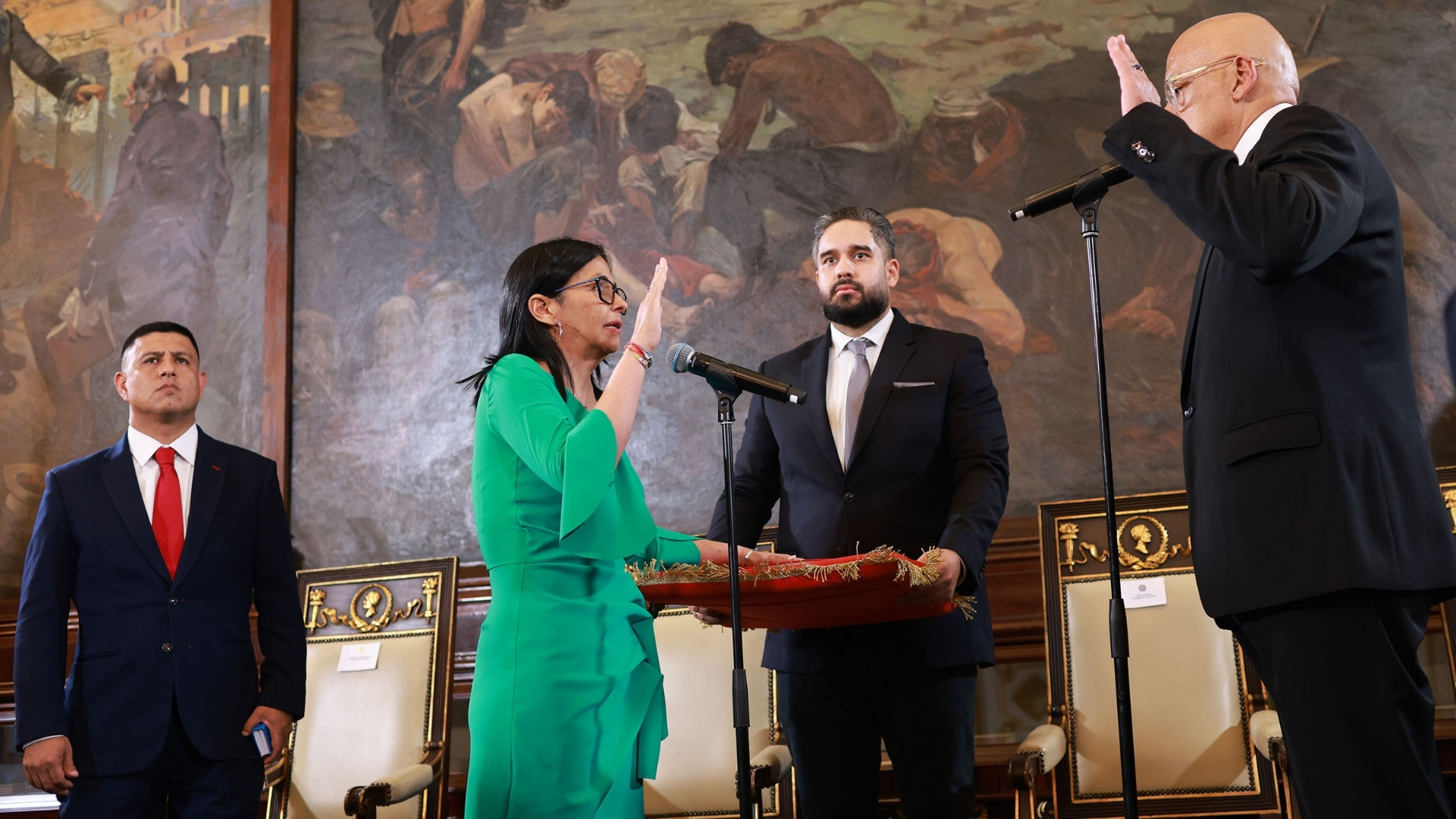
The Constitutional Chamber of Venezuela's Supreme Court on Sunday ruled that Vice President Delcy Rodríguez, also the country’s oil minister, would assume the role of acting president to maintain continuity of the government.
In a televised state address, the acting president criticised the US intervention as “brutal aggression” and capture of Maduro as “Kidnapping”, calling for Maduro’s immediate release. “There is only one president in this country, and his name is Nicolás Maduro,” Rodriguez said. “We call on the peoples of the great homeland to remain united because what was done to Venezuela can be done to anyone. That brutal use of force to bend the will of the people can be carried out against any country.”
Venezuela’s Defence Minister Vladimir Padrino Lopez has denounced the US capture of Maduro as a “cowardly kidnapping”.
Speculations were that opposition leader María Corina Machado, who was barred from running elections in 2024, will replace Maduro. María has support from western governments who see the 2024 election as rigged. She was awarded the Nobel Peace Prize in 2025 for her efforts to promote democracy in Venezuela.
In a post on X, she had dedicated the award to Venezuelans and US president Trump, writing: “I dedicate this prize to the suffering people of Venezuela and to President Trump for his decisive support of our cause!”
Post-military operation, Trump announced during a press conference that the US will temporarily run Venezuela until a political transition will take place and tap its vast oil reserves to sell to other nations. Under the US administration, both countries will make billions of dollars, he asserted.
Trump has so far acknowledged that Rodriguez has been sworn in as interim president, though his veiled threats continue. In a conversation with The Atlantic, Trump is reported to have said: “If she doesn’t do what’s right, she is going to pay a very big price, probably bigger than Maduro.”
In New York, on Monday, the detained President made his first court appearance after the abduction. Maduro pleaded not guilty to federal charges and insisted he is still Venezuela’s President. The court has ordered for the next hearing on 17 March.
Trump’s imperialism and coercion
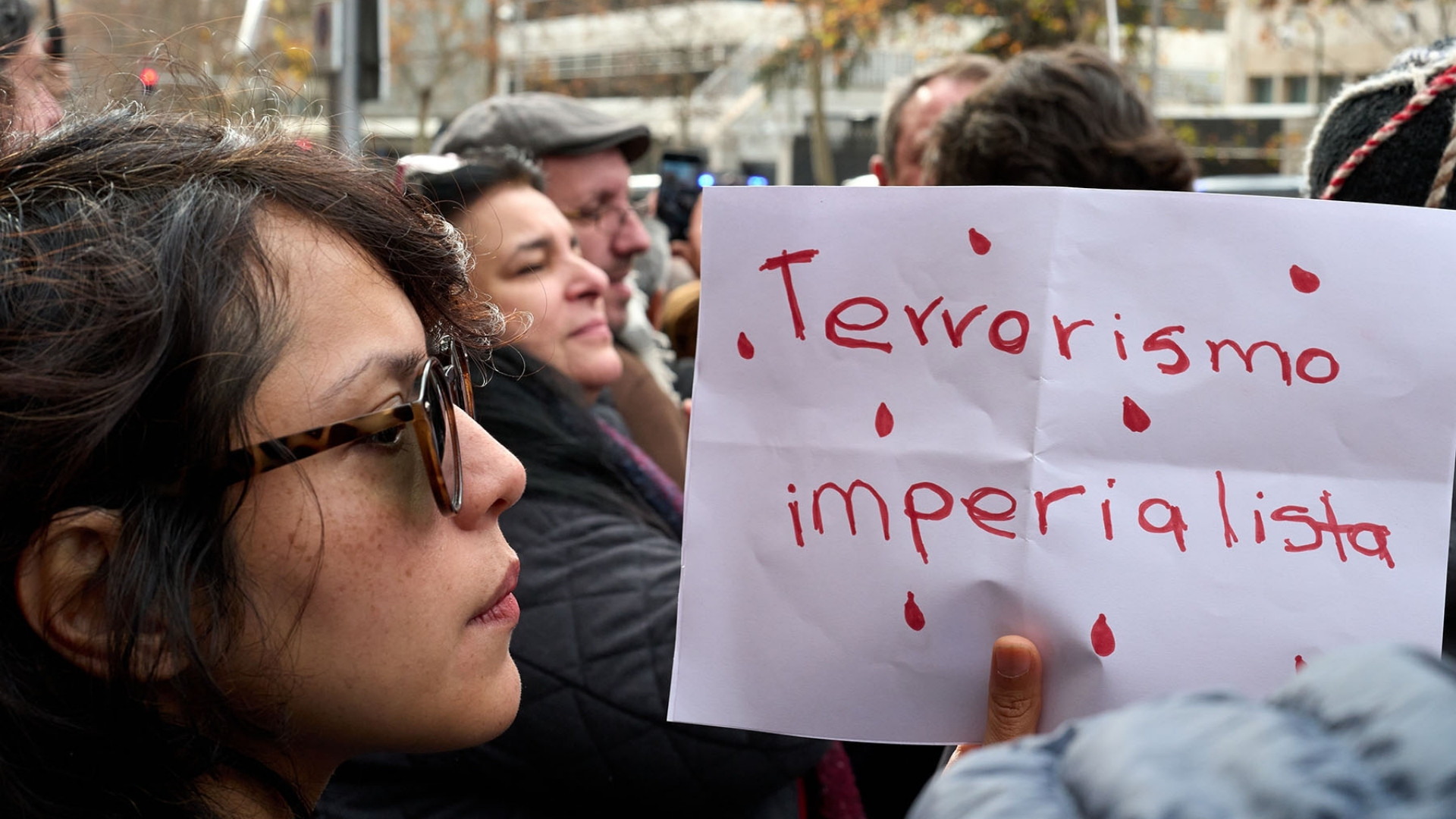
Entering a sovereign country, using military force and abducting its president constitutes a blatant violation of international law and the charter of the United Nations.
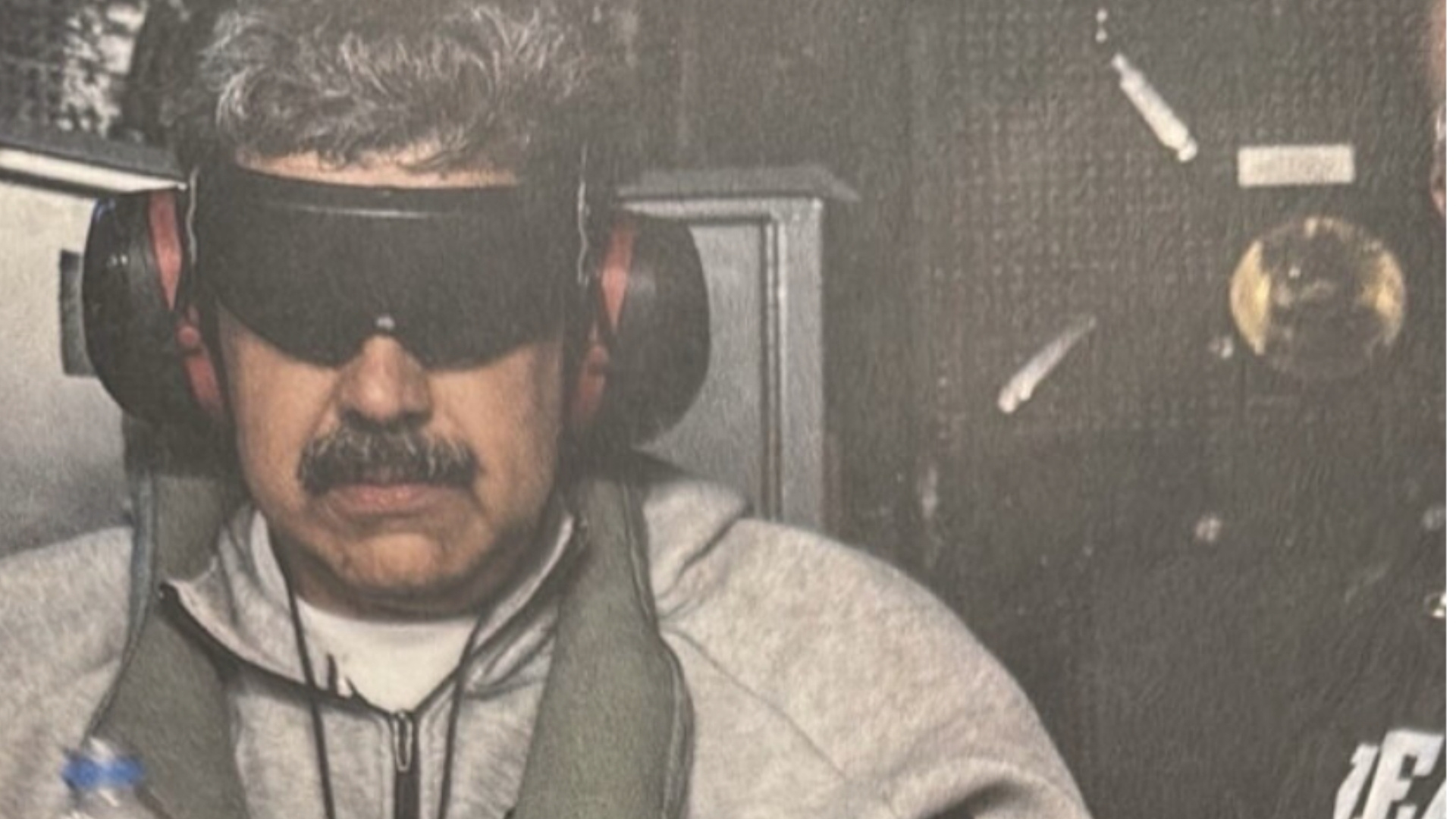
By now, the world has witnessed first-hand what it means to defy the new US under Trump and his vision of American national interests. The image of Venezuela’s president, Nicolás Maduro, blindfolded and handcuffed aboard a U.S. naval vessel, epitomises the consequences of such defiance.
So far, the international powers have merely acknowledged the act and refrained from outrightly denouncing the move and criticising Trump, except for Venezuelan allies such as China, Russia, Cuba and Colombia.
In its statement, the EU merely said "under all circumstances, the principles of international law and the UN Charter must be upheld,” while reinforcing that Maduro lacks the legitimacy to govern Venezuela.
The UK Prime Minister Keir Starmer also treaded carefully, stating "International law is the framework, is the anchor or the benchmark against which we judge the actions of all other governments. And it is, of course, for the US to justify the action that it has taken".
Other countries such as Mexico, South Africa, Eritrea and Spain have also rebuked the act. Countries such as India and Japan have so far remained largely silent.
On the other hand, high on his military prowess and capture of Maduro, Trump has threatened several other countries, alluding that military operations against Colombia and Mexico are possible, while reiterating that the US “needs Greenland”.
During the first 100 days of his second term, Trump made it obvious a noticeable shift from the post-Cold War liberal global order, a system the US pioneered and long championed. Before the election, he claimed the US under him would avoid interfering in others’ affairs, but his actions and rhetoric clearly suggest he favors a world system operating on the notion of ‘might is right’.
This includes shifting blame for the conflict onto Ukraine while appearing to appease Russia, proposing the annexation of territories like Canada, Greenland, Mexico, and the Panama Canal, offering unwavering support to Israel amid its devastating actions in Gaza, and making controversial comments about seizing control of Gaza.
In his crusade to fix global order, Trump has both matched and in some cases even surpassed his predecessors.
Before the US went on to invade Iraq in 2003, the United Nations had unanimously passed a resolution in 2002, giving Iraq a final opportunity to disarm its weapons of mass destruction and warned of serious consequences for non-compliance. Before launching the invasion, then US President George W. Bush had obtained authorisation from the US Congress, one which he also attempted to obtain from the United Nations Security Council, but failed over the legality of the invasion. The US has then gone on to make military operations in several countries to maintain its strategic interests despite lacking full international support.
Meanwhile many note that Trump's latest military operations, including how such operations were allowed in Palestine under different US administrations, and Trump’s transactional foreign policy, featuring measures such as discretionary tariffs, under his ‘America First’ ideology have effectively rendered the UN and rules-based global order increasingly irrelevant.
Read More Stories
NEPSE falls nearly 75 points as market sentiment wavers
The stock market was unable to maintain the gains seen on Tuesday, slipping...
India has begun its long-delayed population census. Here's why it matters
India has begun the worlds largest national population count, which could reshape welfare...
The United Nations has called on Israel to repeal a law passed by...


Business + Finance + Economy + Tech + Environment + Nepal & South Asia + In-depth Analysis + News + Investigation + Research + Expert Opinion + Anatomy of Complex Issues.