Agriculture | Soil Health | Digital Soil Map | Soil Degradation | Food Security
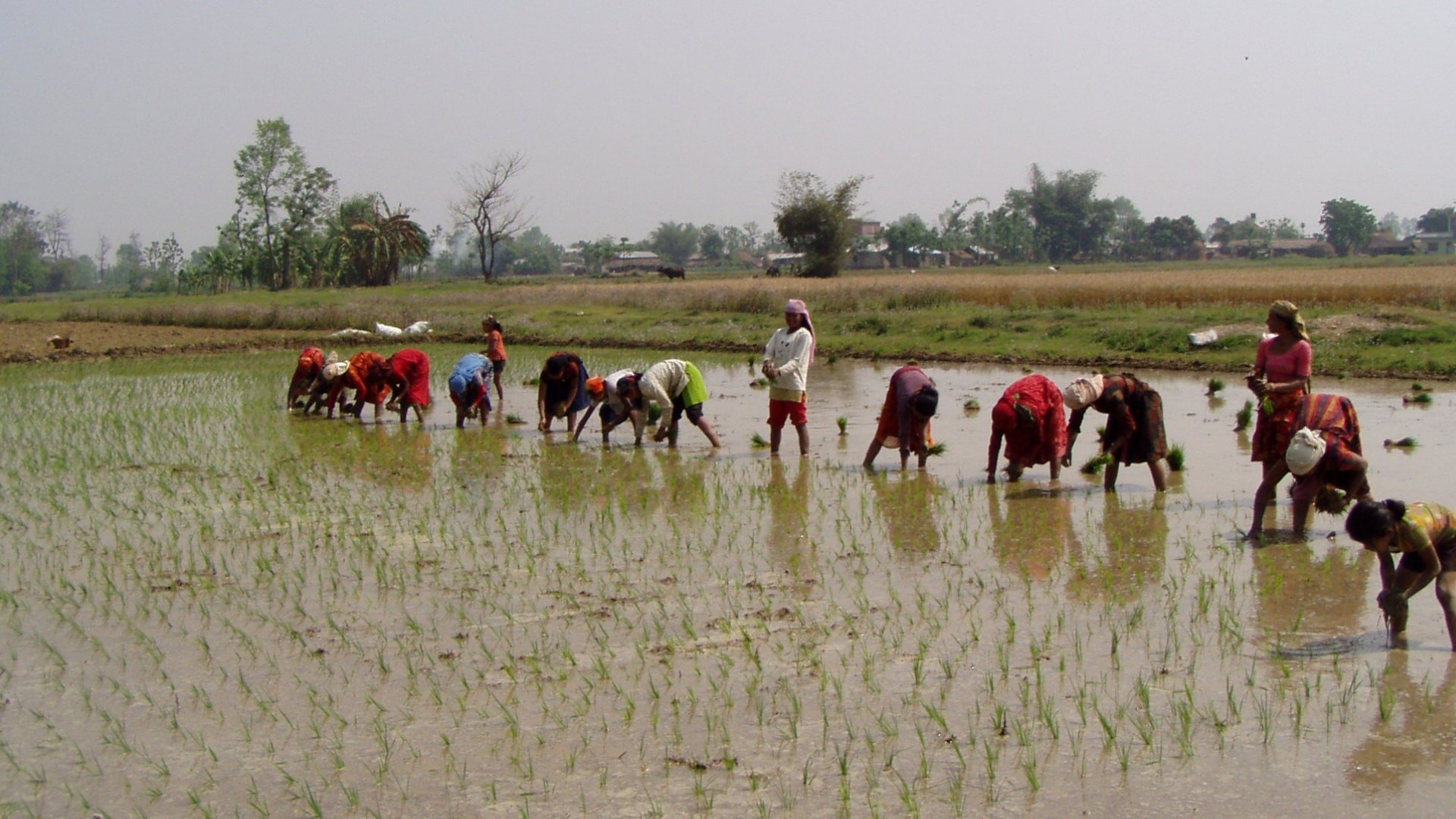
Soil is an active foundation of life, which sustains harvests, manages water flows, renews nutrients, and shields ecosystems from harsh weather. In a recently released press note, the country’s Department of Agriculture (DoA) has raised concern over the declining fertility of agricultural land, based on findings of its Digital Soil Map (DSM). The mapping shows worsening soil acidity and nutrient imbalance across the country.
According to the department, 54% of Nepal’s soil is acidic, up from 53% last year, while 29% is neutral and 17% is alkaline. The data indicate that eastern Nepal’s soil is more acidic than that of the western regions. An acidic soil can reduce crop yields by limiting nutrient availability for plants. Similarly, alkaline soil can also cause nutrition deficiency for some crops.
What is acidic and alkaline soil? Acidic and alkaline soils are distinguished by soil pH on a 0–14 scale, where pH 7 is neutral; values below 7 indicate acidic soil and values above 7 indicate alkaline soil. The pH scale shows how acidic a substance is. Soil pH is a key factor in soil chemistry, as it influences nutrient availability and plants growth by determining nutrient forms and the reactions they undergo. Most plants grow best in a pH range of 5.5 to 7.5.
The DSM, used by the government to assess national soil health, compiles field-level soil samples and spatial data to map soil properties and nutrient status across the country.
Low organic matter and nutrient deficiencies
The DSM shows that average soil organic matter stands at 2.59%, down from 2.77% last year, remaining below levels (3-6%) generally considered healthy for productive soils.
Of the 10,000 tested soil samples, 37% have low organic matter, 45% medium and 18% high.
The mapping also reveals nutrient deficiencies in major farming regions, particularly in the Terai. According to the department, both nitrogen and sulphur levels are low in many Terai soils, which can affect crop growth and yields. Micronutrients such as molybdenum, zinc, and boron are also generally deficient, with boron deficiency more pronounced in eastern Nepal.
Climate stress compounds soil problems
Beyond soil conditions, climatic factors have added pressure on agricultural production. This year, the Terai experienced a significant rainfall deficit during the monsoon, disrupting rice cultivation.
For instance, in Madhesh Province, only 51.82% of paddy fields had been transplanted by late July 2025, compared with 92% during the same period in 2024. Following the prolonged dry spell, the government declared drought conditions in the province.
Erosion and other drivers of degradation
The DSM estimates that Nepal loses around 1.7 millimetres of topsoil annually due to soil erosion.
DoA has identified several factors contributing to soil degradation, including imbalanced use of chemical fertilisers, low use of organic manure, increased pesticide use, lack of crop rotation, unscientific farming practices, and industrial pollution.
Soil compaction from heavy agricultural machinery and soil sealing caused by rapid urbanisation are emerging concerns, says the study.
To address the declining soil health, the department has recommended regular soil testing, balanced use of chemical fertilisers, increased application of organic manure and compost, crop rotation including legumes, and the use of agricultural lime where soils are highly acidic.
Read More Stories

NEPSE falls nearly 75 points as market sentiment wavers
The stock market was unable to maintain the gains seen on Tuesday, slipping...

India has begun its long-delayed population census. Here's why it matters
India has begun the worlds largest national population count, which could reshape welfare...

The United Nations has called on Israel to repeal a law passed by...


Business + Finance + Economy + Tech + Environment + Nepal & South Asia + In-depth Analysis + News + Investigation + Research + Expert Opinion + Anatomy of Complex Issues.