Public Office Bearer | Private Secretariat Appointment | Transparency | Accountability
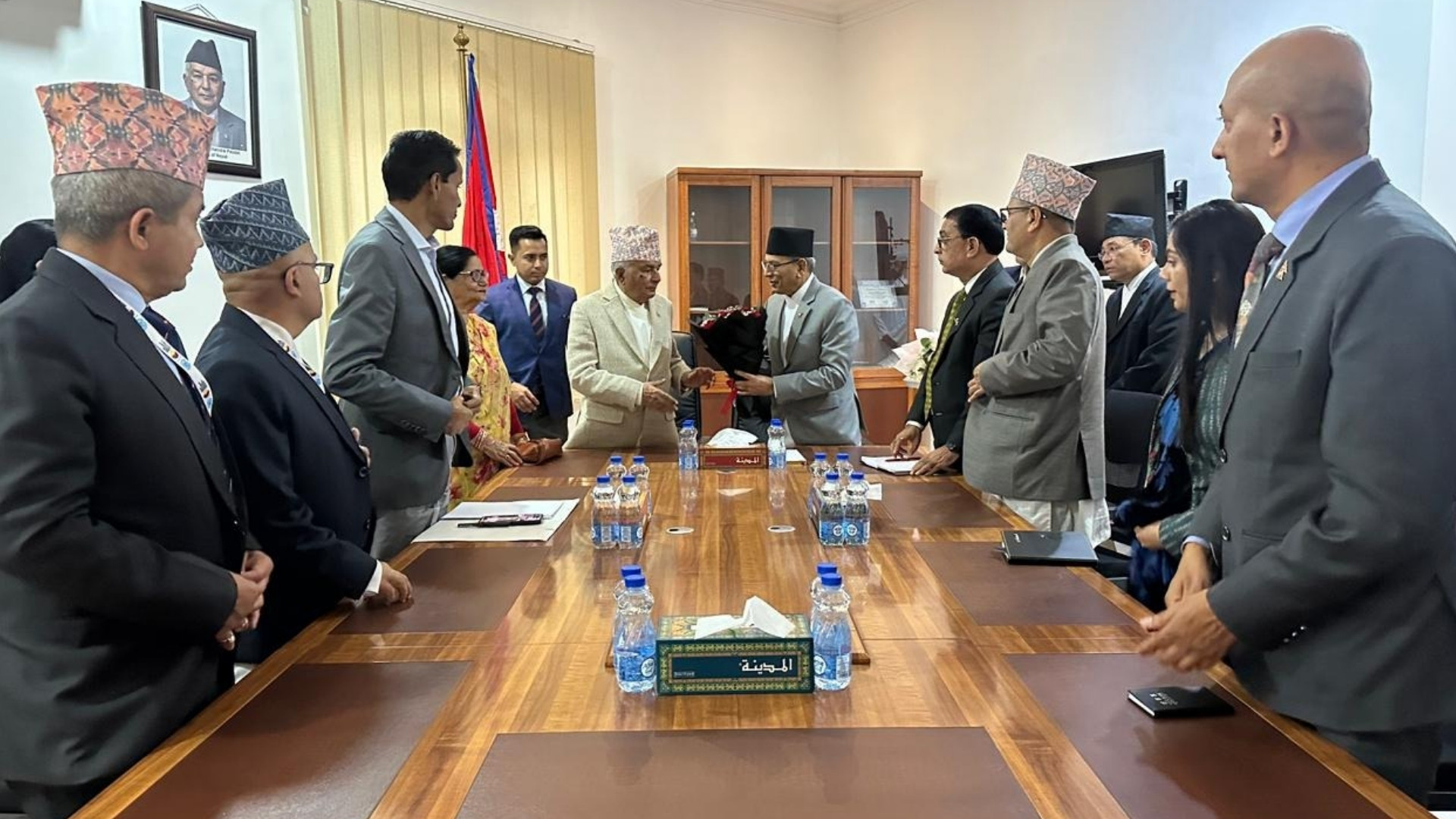
President Ram Chandra Paudel departed for Doha, Qatar, this November 3 to attend the Second World Summit for Social Development, which concludes tomorrow.
According to Ministry of Foreign Affairs (MoFA), President Paudel is visiting Qatar at the invitation of Qatari Emir Sheikh Tamim bin Hamad Al Thani. He is leading a 12-member Nepali delegation to the summit.
The delegation includes his spouse Sabita Paudel; the secretary at the Office of the President; press advisor Kiran Pokharel; joint secretary Krishna Prasad Dhakal; chief of protocol Kumar Raj Kharel; two foreign ministry officials; two aides-de-camp (ADCs); and the President’s personal physician.
Also accompanying the delegation is Abagya Paudel, the President’s daughter, who serves as his private principal secretary.
the_farsight made multiple contacts with officials at the MoFA and the President's Office to obtain the list of delegations before the President's visit, but was unsuccessful. On 4 November, the MoFA released the Day-1 brief of the President's visit, which included a photo [see cover] featuring the President's daughter.
Nepotism and transparency concerns
The inclusion of the President's daughter, who has accompanied him on several previous official visits, has continued despite a renewed scrutiny over appointments in top offices, positions which are neither transparent nor publicly justified, and are widely considered as nepotism.
In several countries, such family appointments (spouse, children, siblings, sometimes in-laws) are either barred or regulated by civil service or public office regulations. In contrast, this remains widespread in Nepal although considered highly unethical, occupying positions that could be otherwise held by young professionals.
While such posts are legally sanctioned under the President and Vice-President (Remuneration and Facilities) Act, 2017, the law does not require disclosure of appointments, qualifications, or rationale, leaving the public largely unaware of the justification for family members holding these positions.
A similar case occurred in August 2023, when Ganga Dahal, daughter of then–Prime Minister Pushpa Kamal Dahal, served in his private secretariat. She accompanied the Prime Minister on official trips, participated in high-level meetings, and later also worked in the party chairperson’s secretariat before resigning on October 20, 2025. The appointment was widely criticised from the outset, but the family paid it no heed until last September.
Government reforms: A welcome step
On October 29, 2025, the Sushila Karki-led interim government approved amendments to Annexe 2 of the Remuneration and Facilities (Office-bearers and Members of Federal Parliament) Act, 2016, specifying:
Earlier, on September 24, 2025, the Ministry of Finance issued a circular abolishing personal secretary posts for most political office-holders, retaining them only for the President, Vice-President, Prime Minister, Speaker, National Assembly Chairperson, provincial chiefs, and federal/provincial ministers. Ministers and provincial chiefs were capped at a maximum of three staff members, and the use of state-funded offices, vehicles, foreign travel, and other facilities for secretariat staff was curtailed.
While these measures are seen as steps toward rationalising state-funded political secretariats and curbing excessive privileges, they primarily target MPs and ministerial offices.
Jumbo private secretariats remain unaddressed
Despite these reforms, large private secretariats, including those of the President, the Vice-President and Prime Minister, continue to operate with numerous staff without a publicly stated justification or explanation of roles, and their scale and cost remain opaque.
The President and Vice-President (Remuneration and Facilities) Act, 2017, provides for a 19-member private secretariat for the President and a 13-member private secretariat for the Vice-President, along with a seven-member and five-member expert team, respectively.
Meanwhile, little to no information is publicly available about the size of PM Karki’s secretariat, which is usually published on the website of the Office of the Prime Minister and Council of Ministers.
All positions are funded by the state, covering salaries, travel, and logistical support, highlighting the public accountability dimension of such appointments.
As President Paudel remains on his official visit to Doha, the inclusion of his daughter in the delegation underscores that, despite widespread public outcry against nepotism, leaders have largely ignored the concerns raised.
Read More Stories

NEPSE falls nearly 75 points as market sentiment wavers
The stock market was unable to maintain the gains seen on Tuesday, slipping...

India has begun its long-delayed population census. Here's why it matters
India has begun the worlds largest national population count, which could reshape welfare...
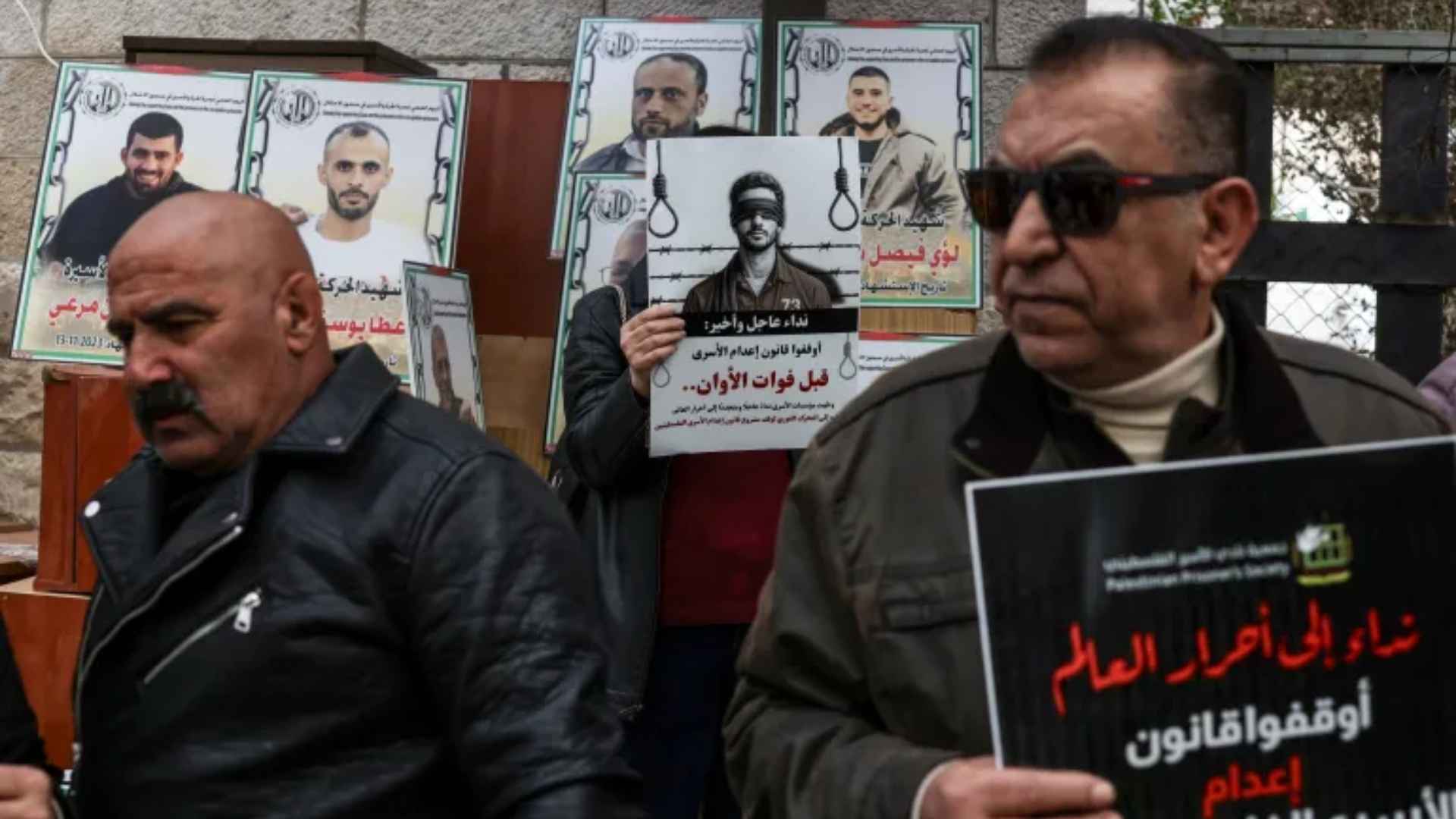
The United Nations has called on Israel to repeal a law passed by...


Business + Finance + Economy + Tech + Environment + Nepal & South Asia + In-depth Analysis + News + Investigation + Research + Expert Opinion + Anatomy of Complex Issues.