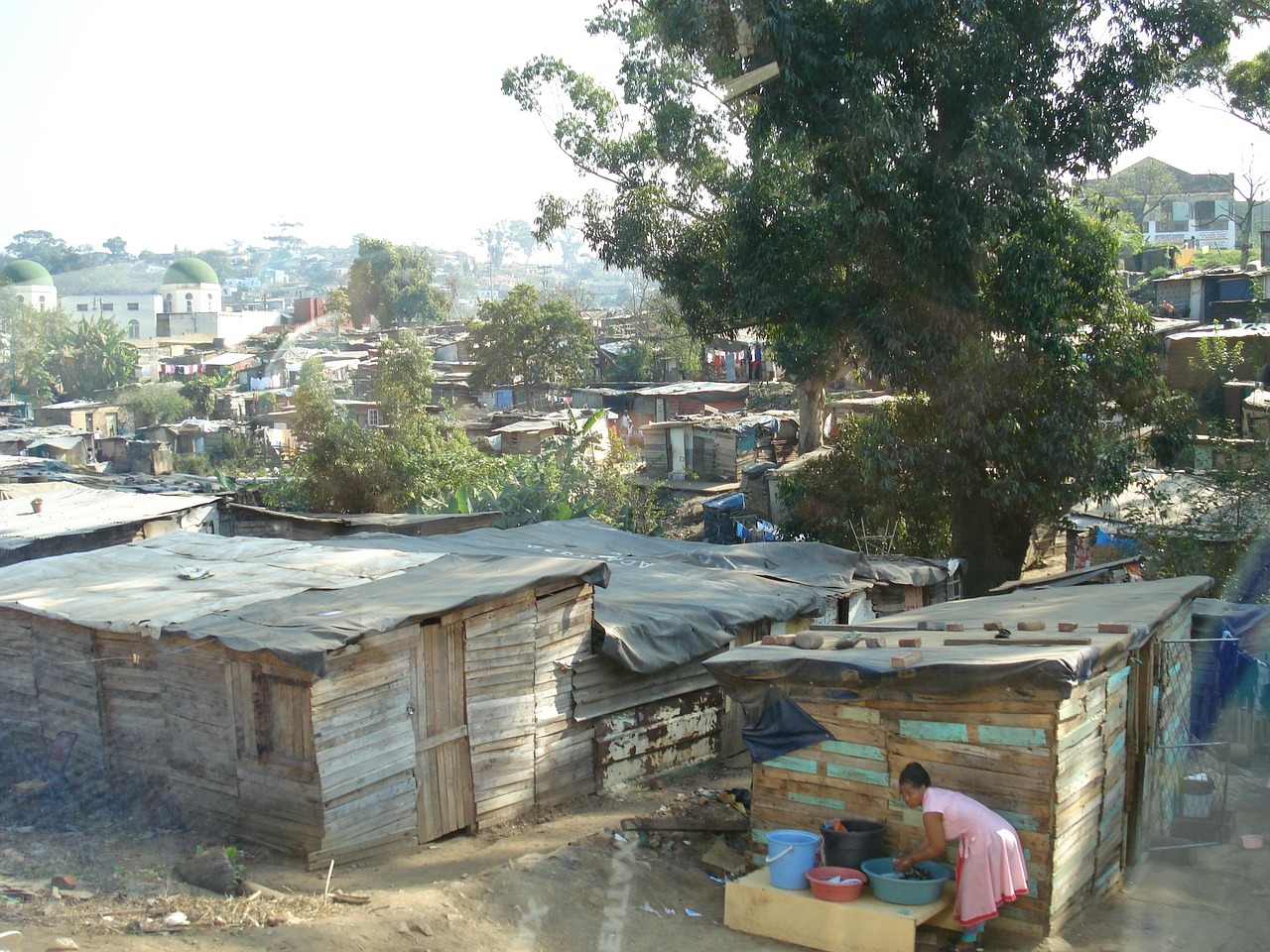
According to the Economic Survey 2022/23, 15.1% of Nepal’s population is under the poverty line — which means these populations live below $1.90 purchasing power parity/day.
When we take multidimensionality into account, measured by the Multidimensional Poverty Index (MPI), 17.4% of Nepalis are multidimensionally poor — under five million persons, says the National Planning Commission 2021 report.
This is a reduction from 30.1% in 2014 — with 3.1 million individuals emerging out of poverty.
As per the report, only 12.3% of people in urban regions are MPI-poor, compared to 28% of rural residents.
Karnali Province has the highest MPI poor — 39.5%, followed by 25.3% in Sudurpashchim Province, 24.2% in Province 2, 9.6% in Gandaki Province, and the least 7.0% in Bagmati Province.
Across indicators, the highest number of people are deprived of housing materials, clean cooking fuel, years of schooling, assets, and nutrition.


Considering the indicator weights, years of schooling and nutritional deprivations contribute most to ongoing multidimensional poverty in Nepal.
This rate may have altered in light of the COVID-19 pandemic as the study used a 2019 dataset.
Using MPI, resources can be directed toward impoverished people and social groups, coordinate multispectral policies, and make evidence-based policy changes.
Read More Stories

NEPSE falls nearly 75 points as market sentiment wavers
The stock market was unable to maintain the gains seen on Tuesday, slipping...
India has begun its long-delayed population census. Here's why it matters
India has begun the worlds largest national population count, which could reshape welfare...
The United Nations has called on Israel to repeal a law passed by...


Business + Finance + Economy + Tech + Environment + Nepal & South Asia + In-depth Analysis + News + Investigation + Research + Expert Opinion + Anatomy of Complex Issues.