Political Protests in Iran | Currency Collapse | Iranian Supreme Leader | US President
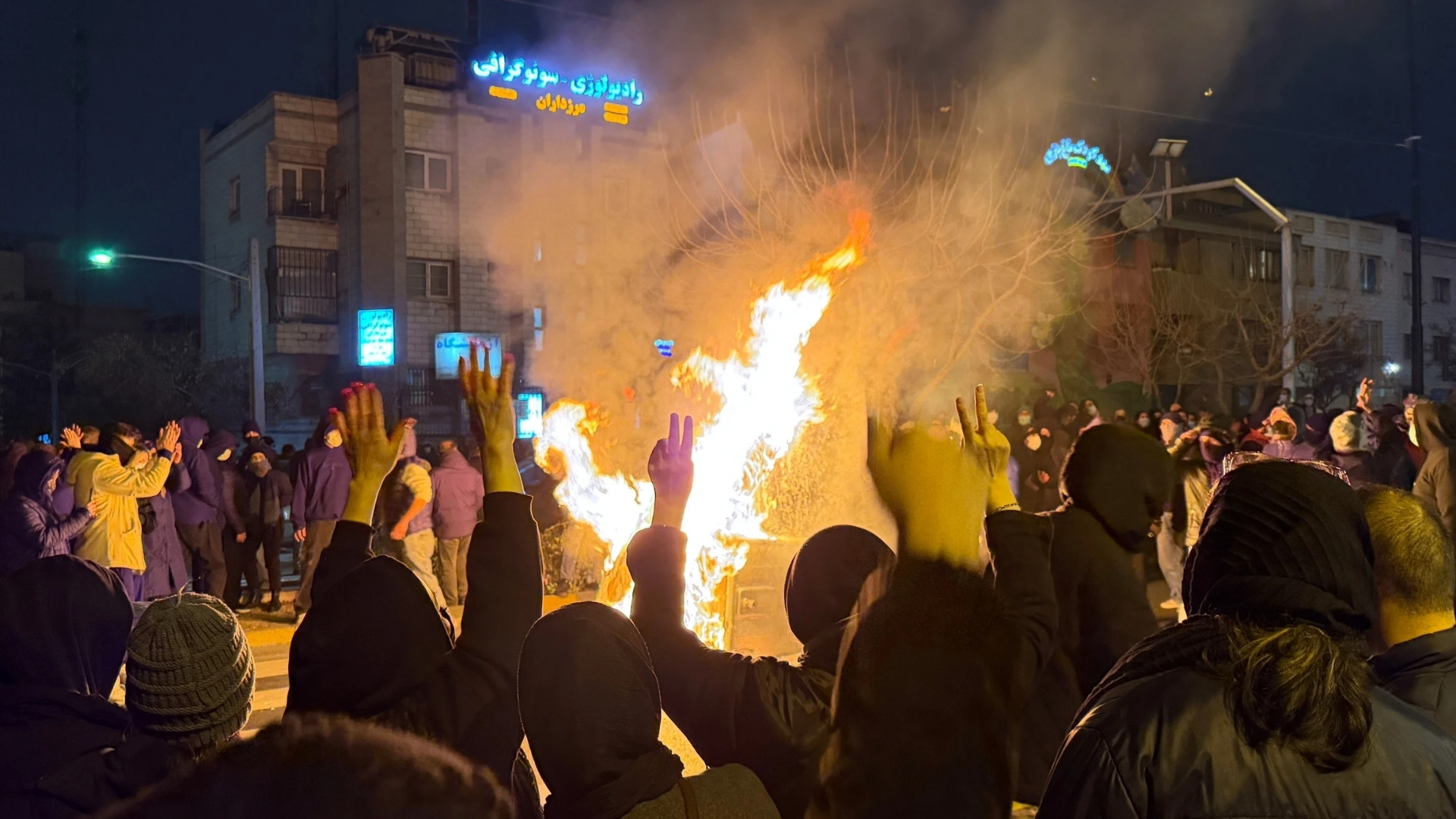
Iran has been gripped by its deadliest wave of nationwide unrest in decades after protests erupted across the country on December 28, 2025, initially over economic hardship and the collapse of the national currency, before rapidly turning into a broader political challenge to the country’s clerical leadership.
According to the US-based Human Rights Activists News Agency (HRANA), at least 3,919 people have been killed in connection with the protests as of January 18, 2026.
The toll includes 3,685 protesters, 178 government-affiliated personnel, 25 children, and 31 non-protesting civilians, while more than 24,000 people have been detained nationwide. Iranian authorities have not released official casualty figures, and rights groups say the real numbers are likely higher due to severe reporting restrictions.
HRANA and other rights organisations say information from inside Iran remains difficult to independently verify because of widespread internet shutdowns and communication blackouts imposed by the state since early January. These restrictions, they say, have limited access to hospitals, morgues, and court records, masking the full scale of the crackdown.
The protests were triggered by a sharp collapse of the Iranian currency rial, which plunged to a record low of more than 1.4 million rials per US dollar on the open market in late December. The currency crash compounded long-standing economic pressures from inflation, unemployment, and international sanctions, prompting strikes and demonstrations that began in Tehran and quickly spread nationwide.
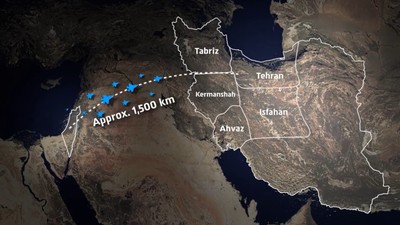
Iran’s economy has been under strain. Last year in June, a brief war with Israel caused massive damage to Iran’s infrastructures after Israeli and US attacks.
Iran has been facing economic sanctions since the late seventies, which peaked during 2010 to 2015 with impositions of oil embargos and financial restrictions. In September 2025, the United Nations Security Council rejected its calls to permanently lift economic sanctions, which Iran says is politically biased against it.
In December, Iran raised fuel prices by adding a new subsidy tier, with prices to be reviewed quarterly, allowing further increases. Meanwhile, food prices are expected to rise after the Central Bank ended subsidised exchange rates for most imports except medicine and wheat.
In November 2019, Iran experienced a similar anti-government protest when the oil price was hiked, which also marked a period of heightened Israel-Iran proxy conflict, and saw deaths of over 100 protestors.
The ongoing protest that started as anger over living costs also soon evolved into openly and largely leaderless political protests, with demonstrators chanting slogans against Iran’s ruling system and Supreme Leader Ayatollah Ali Khamenei, who has been in power for over 30 years.
The protests escalated on 8 January following the call for unified protests by Reza Pahlavi and the subsequent call for a general strike by the Komala Party of Iranian Kurdistan. Pahlavi, son of monarch Mohammad Reza Pahlavi overthrown in 1979 Islamic Revolution, has called for a peaceful transition and a referendum to decide Iran's future political system. Reza has been living in exile since, mostly in the US.
Security forces responded with mass arrests and the use of lethal force, according to international media and human rights groups, who report the use of live ammunition against protesters.
Iran’s leadership has blamed the unrest on foreign interference. In public statements, Khamenei accused the US and its allies of inciting violence, calling US President Donald Trump “criminal” for publicly encouraging protesters. The unrest differed from past protests because, he claimed, the US president was “personally involved” in promoting what he described as sedition.
He also shared that the US-backed protesters brought destruction to 250 mosques, educational and scientific centres, and damage to other infrastructure. By doing so, they killed several thousand of them, he added.
State-organised pro-government rallies have also been held across Iran, officially billed as demonstrations against “American-Zionist terrorism.” Khamenei said the rallies showed that foreign efforts to destabilise the country had failed, describing protesters as mercenaries manipulated by outside powers.
Trump, writing on his Truth Social platform on January 13, had urged Iranians to continue protesting and said “help is on the way,” while repeating harsh criticism of Iran’s leadership. In subsequent remarks to US media, he openly called for regime change, saying Iran needed “new leadership” and accusing its rulers of destroying the country by killing citizens “by the thousands” to retain power.
Iran’s mission to the United Nations in New York rejected Trump’s comments, warning that what it called the US “playbook” would fail again and insisting that Iranians would defend their sovereignty. Tehran has also warned regional countries hosting US military bases that they could face retaliation if their territory is used in any attack on Iran.
Despite competing narratives from Tehran and Washington, analysts say the scale of deaths and detentions already places the current unrest among the most violent crackdowns since the 1979 Islamic Revolution that overthrew Pahlavi dynasty, underscoring the depth of Iran’s economic and political crisis as well as the growing risks of further escalation at home and abroad.
Read More Stories
NEPSE falls nearly 75 points as market sentiment wavers
The stock market was unable to maintain the gains seen on Tuesday, slipping...
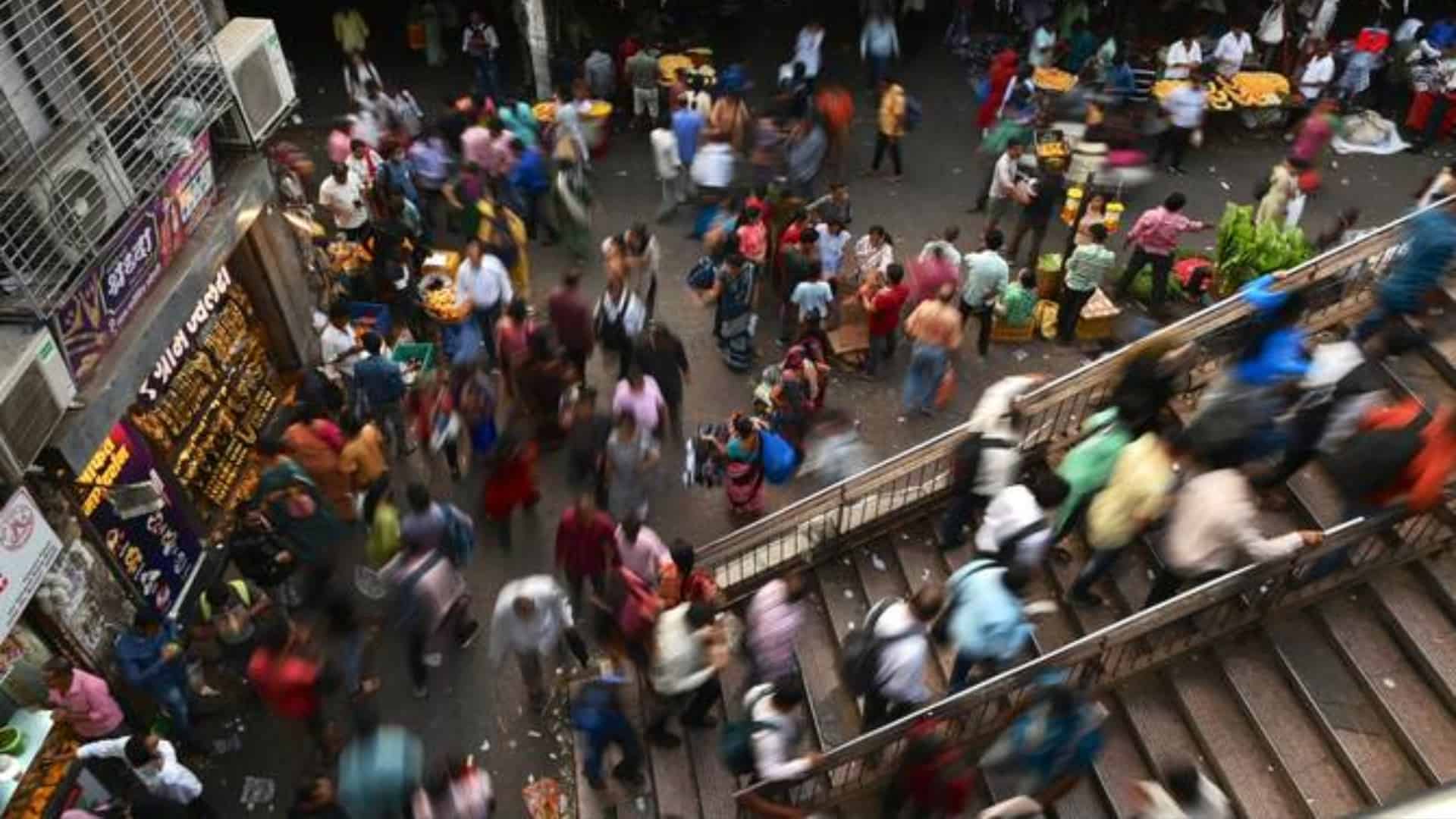
India has begun its long-delayed population census. Here's why it matters
India has begun the worlds largest national population count, which could reshape welfare...
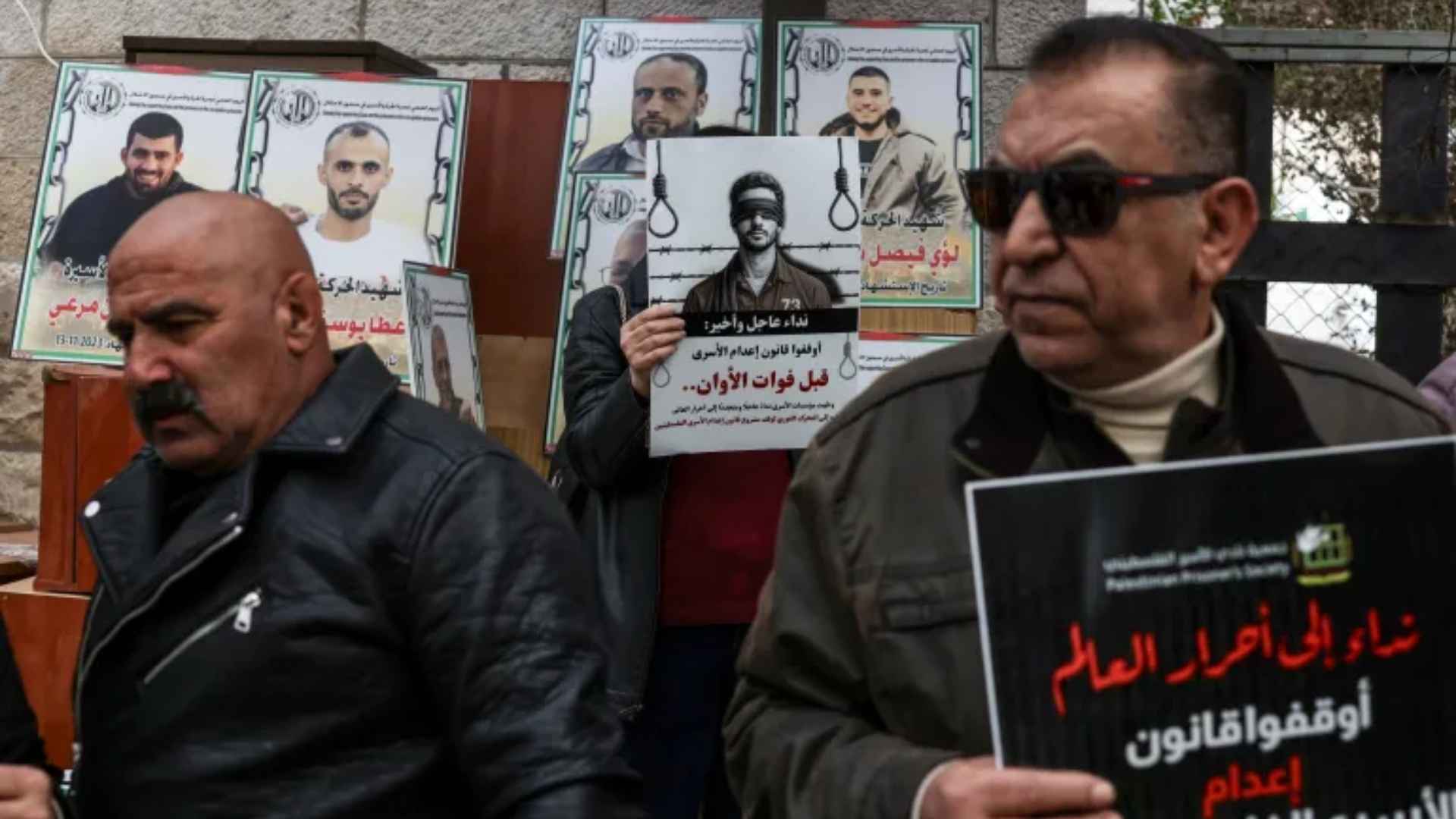
The United Nations has called on Israel to repeal a law passed by...

Business + Finance + Economy + Tech + Environment + Nepal & South Asia + In-depth Analysis + News + Investigation + Research + Expert Opinion + Anatomy of Complex Issues.