Reserve Bank of India | INR lending policy | Cross-border trade settlement |
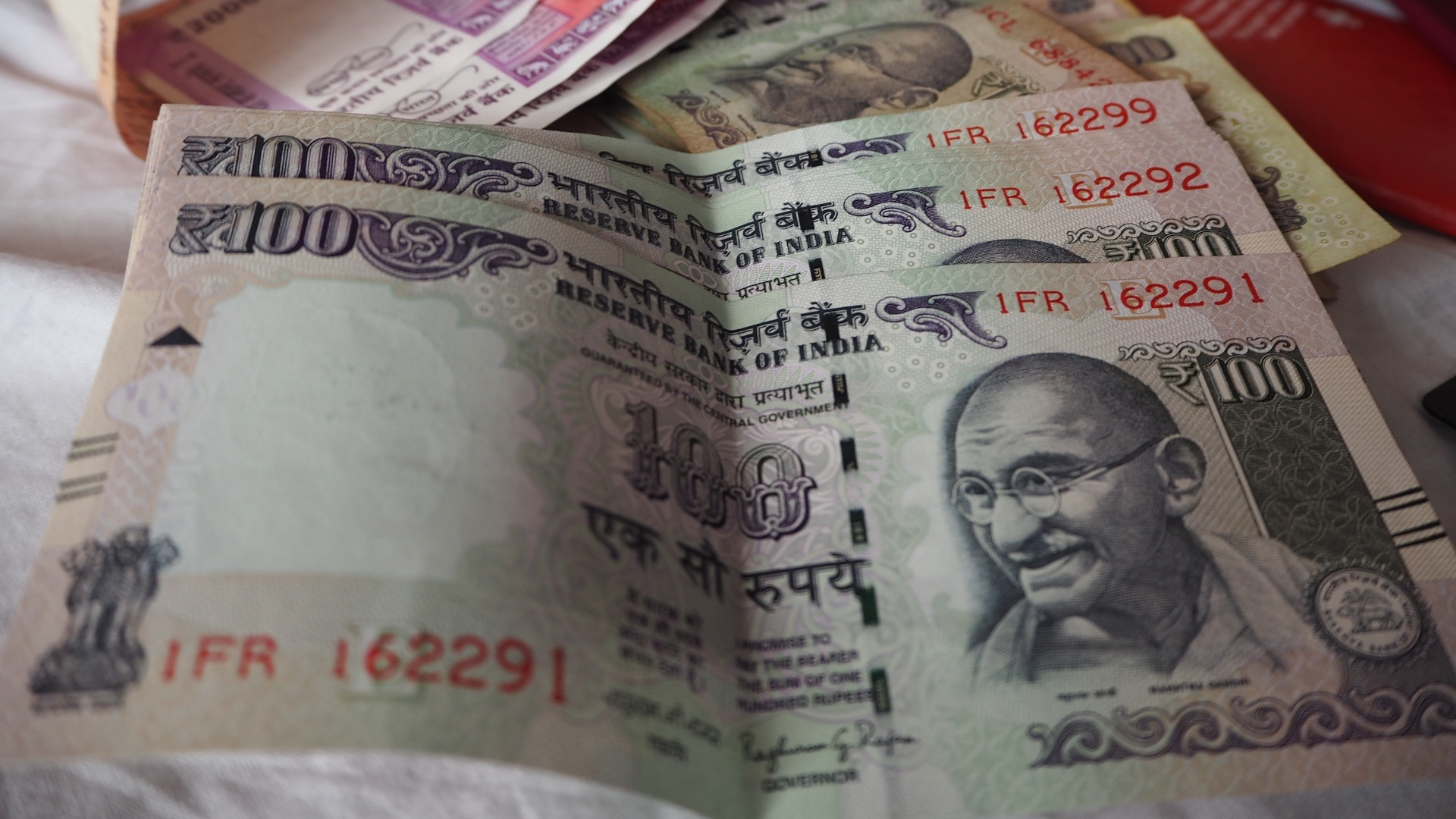
In a move aimed at strengthening the Indian Rupees’ role in cross-border trade settlements, the Reserve Bank of India (RBI) on October 1 announced a new policy allowing its Authorised Dealer (AD) banks and their overseas branches to lend in Indian Rupees (INR) to residents, including banks, in Nepal, Bhutan, and Sri Lanka.
AD banks are banks authorised by the RBI to deal in foreign exchange and handle international transactions on behalf of customers, such as the State Bank of India, Standard Chartered, Punjab National Bank, HDFC, ICICI, and the Axis Bank. They buy and sell foreign currencies, make cross-border payments, and provide foreign currency loans.
The bank’s latest and what it calls a ‘calibrated’ step in liberalising its foreign exchange management in its press release is a part of its broader effort to settle cross border transactions in INR and local currencies. The amendments to regulations will be notified shortly, said the release.
The policy has both economic and strategic significance for both countries although not much can be said until the regulation is fully fleshed out.
However, by extending rupee lending abroad, India not only looks to expand the role of its rupee in South Asia but also boost confidence in its currency at regional level and extend it beyond. For that it will have to reduce dependence on third currencies like the dollar and position India as a stronger financial partner within the region.
For Nepal and India's other neighboring economies, who share a large trade relationship with India, this change could mean alternative and perhaps easier access to financing, while also simplifying trade settlements.
India is Nepal’s largest trading partner. In fiscal year 2024/25, Nepal’s imports and exports value with India amounted to NRs 1,071.2 and NRs 224.7 billion, respectively, which was 59% and 80% of the total value. While Nepal mostly conducts its trade with India in INR.
Many banking experts believe the RBI’s decision will provide an additional channel of credit for Nepali firms, particularly those engaged in trade with India. However, the provision may not see immediate uptake, as Nepal currently has excess liquidity in the banking system and relatively low interest rates. Moreover, its economy is already facing a downturn, which is exacerbated by recent events. As economic conditions stabilise, cross-border INR lending could play a key role in enhancing trade efficiency and strengthening bilateral ties since such access to INR lending could come at lower costs and simplify trade further, particularly for Nepali businesses.
On Nepal’s part, it already has regulations in place to facilitate such borrowing of foreign capital. Nepal Rastra Bank’s 2021 regulations allows Nepali firms, companies, institutions and citizens to borrow up to INR 100 million from Indian sources and USD one million from other foreign sources. Additionally, Nepali banks and financial institutions are also permitted to borrow from Indian counterparts up to 100% of their core capital.
For now, the move is expected to enhance business confidence and strengthen economic ties between the two countries.
Read More Stories

NEPSE falls nearly 75 points as market sentiment wavers
The stock market was unable to maintain the gains seen on Tuesday, slipping...

India has begun its long-delayed population census. Here's why it matters
India has begun the worlds largest national population count, which could reshape welfare...

The United Nations has called on Israel to repeal a law passed by...


Business + Finance + Economy + Tech + Environment + Nepal & South Asia + In-depth Analysis + News + Investigation + Research + Expert Opinion + Anatomy of Complex Issues.