AIDS | HIV | WHO | Public health
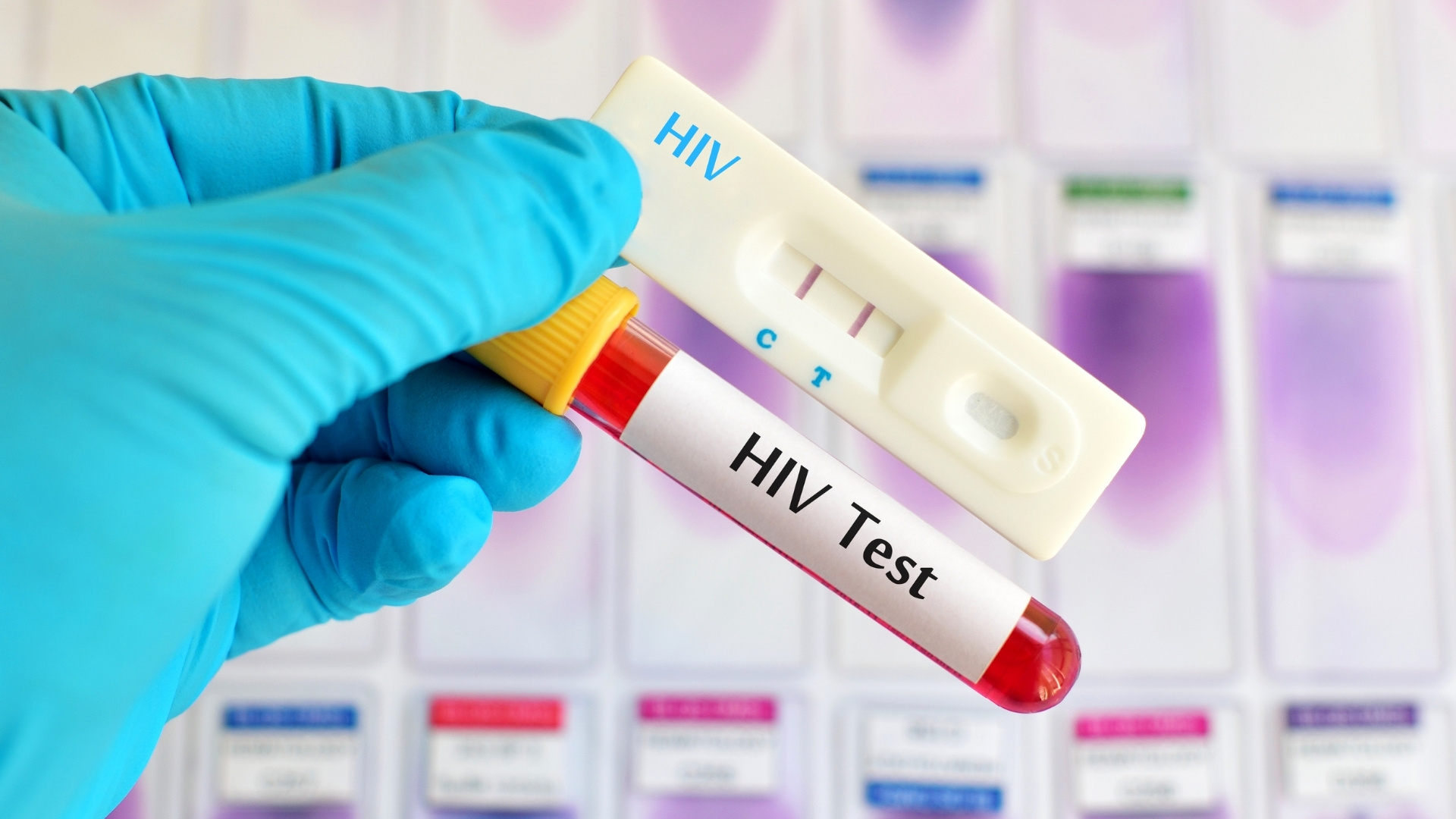
The number of AIDS-related deaths and new HIV infections have each fallen by 75% since 2010, shows the data for 2024 released by the National Centre for AIDS and STD Control (NCASC).
In 2010, AIDS-related deaths counted to 2,348, declining to 569 in 2024. While the number of new HIV infections dropped to 614 in 2024, reducing from 5,545 in 2000 and 2,557 in 2010.
At least 37 children of the new infectants were under 14 years of age, a figure which was 260 in 2010, an 86% decline. This group included 33 infants who were newly infected.
A total of 34,337 people are living with HIV infections in 2024. Nearly 60% of this infection falls in the age group of 25-49 years with almost 47% of them women. This is followed by the age group of 50+ years (34.4%), 15-24 years (3.2%) and 0-14 years (3.1%).
People who inject drugs, sex workers, prisoners, men who have sex with men and transgender individuals, and migrant workers are considered high-risk groups.
Out of the total number of infected individuals, 77% (26,372 in total) are enrolled in antiretroviral therapy (ART). In addition, the government offers free services such as prevention of mother-to-child transmission, CD4 count and viral load testing, and HIV screening during pregnancy, among others.
Looking ahead, Nepal will be working toward ambitious 2030 targets using 2010 as the baseline: reduce new HIV infections by 90%, with a continued 5% annual decline after 2030 and reduce AIDS-related deaths by 90%.
Officials on the other hand are warning that recent budget challenges could reverse years of progress in Nepal’s response to HIV/AIDS.
While the 2024 data reveals progress in both mortality and infections, part of the observed decline may be due to reduced infection testing. In the fiscal year 2023/24, 524,090 HIV tests were conducted, compared to 428,640 in 2024/25.
The decline in HIV testing has been linked to these budget challenges, as Nepal faces delays in funding allocations from the Global Fund, suspension of USAID support and inadequate public investments.
HIV/AIDS treatment programs in Nepal have largely depended on donor agencies like USAID, a major donor agency providing funding for international development and humanitarian assistance worldwide, including in Nepal. Prior to the funding halt, Nepal received USAID grant support for several initiatives, such as Health Direct Financing aimed at strengthening the national health system.
However, following Donald Trump’s return to the White House, foreign aid, including funding for HIV/AIDS programs, was suspended, leading to the disruption of HIV/AIDS services in Nepal.
In addition, the health sector receives less than 5% of the national budget, which many consider inadequate to address the country’s numerous public health challenges. Inadequate investments impact various divisions and programs, including the HIV/AIDS and is expected to disrupt even basic services like HIV testing and Antiretroviral Therapy (ART).
With reductions in both foreign and domestic funding, organisations are struggling to sustain HIV/AIDS-related programs. This challenge is not unique to Nepal but reflects a broader global crisis, as major donor agencies withdraw support. As a result, communities worldwide are being deprived of essential health services and aid.
The World Health Organization (WHO) has shared concern over the declining funding. Inadequate domestic investment compel HIV programmes to rely heavily on external funding which are shrinking, and have disrupted the reach of marginalised populations, says WHO.
With the US and other key players halting aid, WHO stresses that the number of new HIV infections and deaths will rise, which will disrupt the goal of ending AIDS by 2030. WHO calls the governments to keep HIV high on national health agendas and increase national investments.
Last year in February, Nepal secured a grant of USD 51.27 millions to combat HIV, Tuberculosis (TB) and malaria, a program which will run until 2027. A portion of the grant will be funded to achieve zero new HIV infections, zero AIDS-related deaths, and the elimination of HIV-related inequalities by 2030.
Read More Stories

NEPSE falls nearly 75 points as market sentiment wavers
The stock market was unable to maintain the gains seen on Tuesday, slipping...

India has begun its long-delayed population census. Here's why it matters
India has begun the worlds largest national population count, which could reshape welfare...

The United Nations has called on Israel to repeal a law passed by...


Business + Finance + Economy + Tech + Environment + Nepal & South Asia + In-depth Analysis + News + Investigation + Research + Expert Opinion + Anatomy of Complex Issues.