Madhesh Provincial Assembly | Removal Motion | Conduct Unbecoming of Office
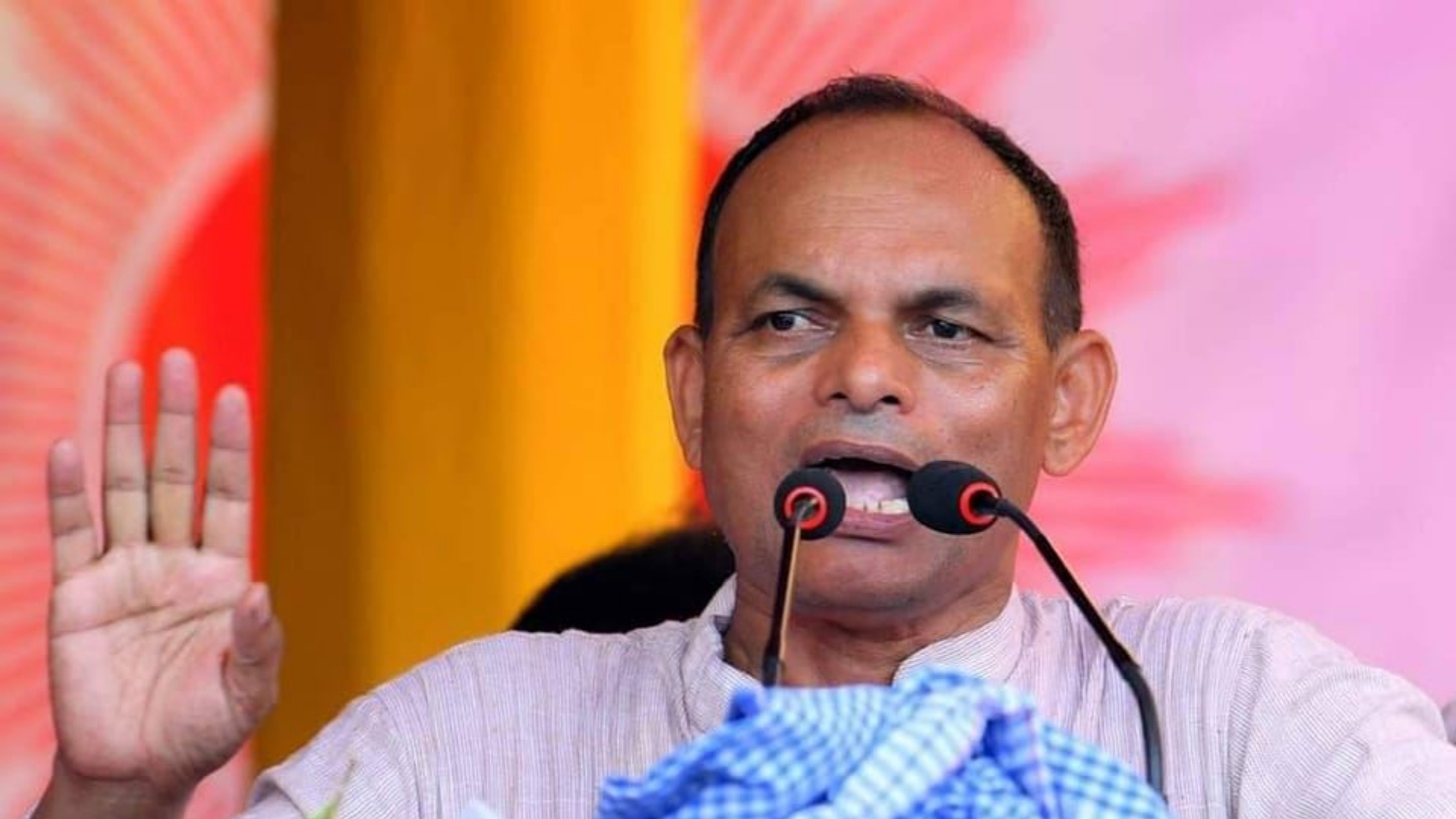
The Madhesh Provincial Assembly has removed Speaker Ram Chandra Mandal with an overwhelming two-thirds majority following weeks of heightened tension, procedural disputes and competing constitutional claims inside the provincial legislature.
The situation began unfolding on November 13 when a coalition of seven parties representing 76 members from the Nepali Congress, Janata Samajbadi Party Nepal (JSP-N), Janamat Party, CPN (Maoist Centre), CPN (Unified Socialist), Loktantrik Samajbadi Party Nepal and the Nagarik Unmukti Party, registered a motion seeking Mandal’s removal.
The motion alleged that the Speaker had acted in a partisan manner and obstructed assembly procedures during important sessions.
Hours after the motion was filed, Mandal announced that he had dismissed five provincial assembly members. Four were from the JSP-N and one was from the Nagarik Unmukti Party. He cited their absence from ten consecutive meetings, referring to Article 180 (d) of the Constitution, which allows the Speaker to declare a seat vacant if a member remains absent without notice.
However on November 14, Deputy Speaker Babita Kumari Raut Ishar rejected the dismissals after reviewing video and photographic records that showed some of the concerned lawmakers had participated in the confidence vote proceedings. She declared the Speaker’s decision invalid and stated that the attendance requirement had not been breached. Her order restored the five members to their seats.
Following these events, the assembly convened on November 19 to decide on the impeachment motion. In a session chaired by the Deputy Speaker, 76 members of the 107-member assembly voted to remove Mandal. Members of the CPN-UML, Mandal’s party, did not attend the sitting.
Constitutional and legal basis for the Deputy Speaker’s actions
The Constitution grants the Deputy Speaker clear authority during proceedings related to the conduct or removal of the Speaker.
Article 182 of the Constitution requires the provincial assembly to elect both a Speaker and a Deputy Speaker from among its members. One must be a woman, and the two must represent different political parties unless the assembly has only one party represented. The article also states that the Deputy Speaker presides over meetings in the absence of the Speaker.
When a motion concerning the conduct or removal of the Speaker is under consideration, the Constitution assigns the role of chairing the assembly session to the Deputy Speaker. The Speaker is allowed to take part in discussions and cast a vote, but cannot preside over proceedings related to his or her own conduct.
Article 182 (6) states that the Speaker or the Deputy Speaker may be removed by a resolution passed by at least two-thirds of the total number of members of the provincial assembly if their conduct is deemed incompatible with their office.
In this context, Deputy Speaker Ishar’s authority to reverse the dismissal order and to chair the impeachment vote derives directly from these constitutional provisions.
What happens next
The Madhesh Provincial Assembly must now elect a new Speaker. The dismissal dispute that preceded the impeachment may continue to draw legal scrutiny, particularly regarding the interpretation of attendance requirements and the scope of the Speaker’s authority under Article 180.
Political parties in the province are also expected to assess their positions in the aftermath of the impeachment. The seven-party coalition has signalled that it views the episode as a matter of protecting procedural integrity, while the UML has described the removal as politically motivated.
The unfolding situation has highlighted the functioning of institutional checks within the provincial assembly, particularly the constitutional authority of the Deputy Speaker during leadership disputes. The unified action of the seven-party coalition demonstrated the leverage opposition groups can exercise through constitutional procedures.
It may also influence political dynamics in other provinces as well as at the federal level, where questions of Speaker neutrality have periodically surfaced.
For instance, in Bagmati Province in 2021, opposition parties accused Speaker Sanu Kumar Shrestha of prioritising the ruling coalition’s agenda by delaying a scheduled no-confidence motion. Agni Sapkota, during his tenure as federal Speaker, came under scrutiny for allegedly favouring the ruling coalition over opposition parties.
Read More Stories

NEPSE falls nearly 75 points as market sentiment wavers
The stock market was unable to maintain the gains seen on Tuesday, slipping...

India has begun its long-delayed population census. Here's why it matters
India has begun the worlds largest national population count, which could reshape welfare...
The United Nations has called on Israel to repeal a law passed by...


Business + Finance + Economy + Tech + Environment + Nepal & South Asia + In-depth Analysis + News + Investigation + Research + Expert Opinion + Anatomy of Complex Issues.