interim government | non-partisan mandate | Ujyaalo Nepal Party | electoral politics | neutrality
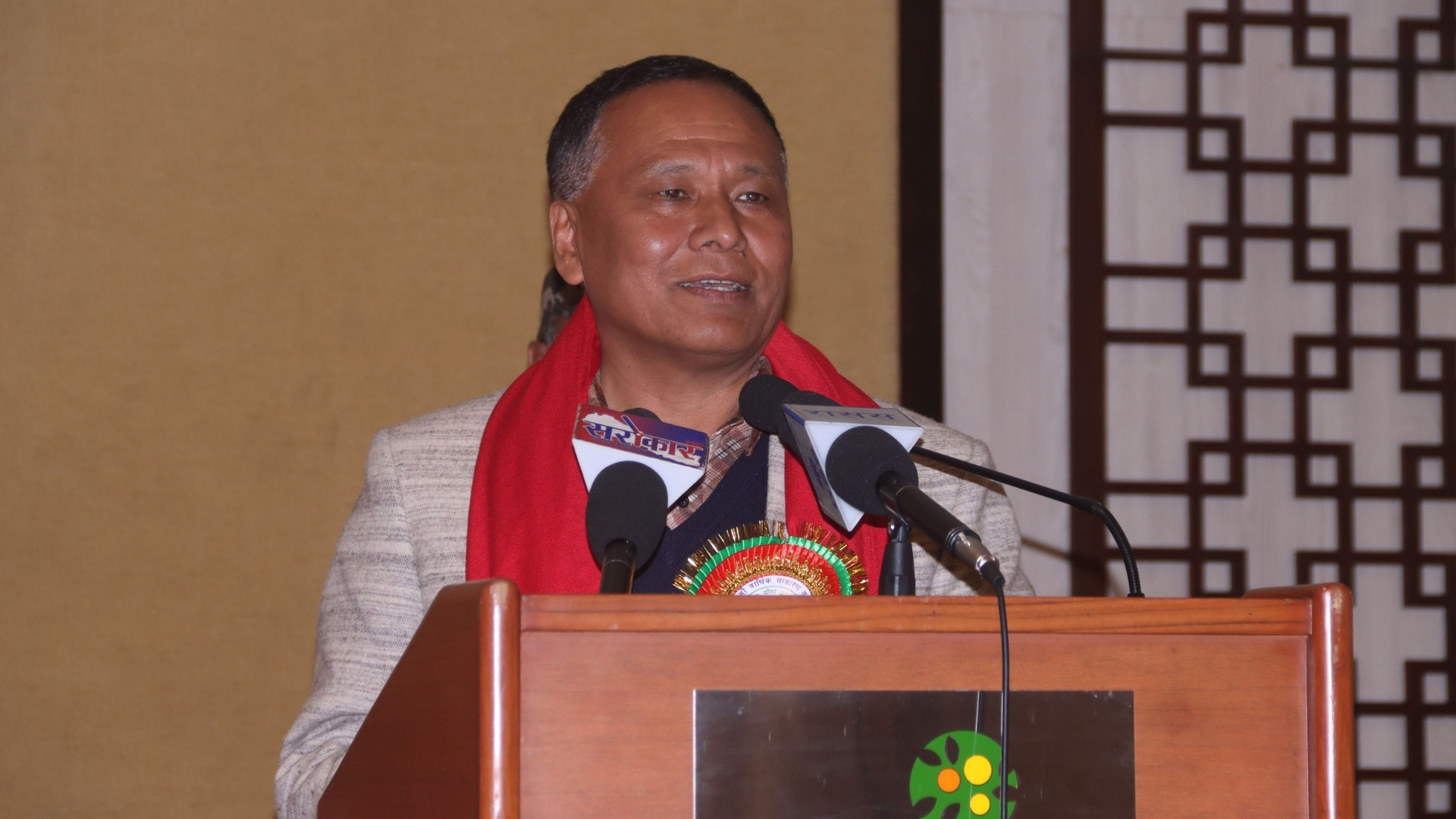
Interim Minister Kulman Ghising is currently under intense scrutiny, facing questions about his party affiliation and continued presence in the interim government.
Concerns have emerged regarding the conduct of Ghising, as a member of the interim government, which was envisioned as non-partisan and technocratic, composed largely of appointed experts rather than political actors.
Ghising who holds the portfolio of energy, physical infrastructure, and urban development has been found persistently challenging that premise since the early days of the current government, with proactive engagement in party-related activities ranging from organisational building to negotiating for alliances.
Since early October, Ghising-backed Ujyaalo Nepal Party (UNP) has stepped up party related activities for electoral participation. When Kathmandu’s Mayor Balen Shah and Rastriya Swatantra Party (RSP) President Rabi Lamichhane engaged in extensive consultation and eventually inked a seven-point deal a few weeks ago, Ghising publicly expressed dissatisfaction about how negotiations with him went south.
UNP then entered into an agreement with RSP on December 29. Ghising in what is called as a unity agreement between the two parties, has been designated as the RSP’s second-ranked vice-president. Despite his political affiliation being an open secret, Ghising recently lied about his party membership, while showing no intent to resign from his ministerial post.
While political participation by private citizens is routine, such visibility from members of an interim government formed during a dire circumstance with an election mandate raises concerns about neutrality. Ghising’s dual role as a sitting minister and a senior party figure sits uneasily with the government’s stated commitment to non-partisanship.
In a September 2025 interview with the BBC, Prime Minister Karki stated that she sought ministers who were not aligned with political parties and had no intention of contesting elections. Ghising’s actions appear inconsistent with that standard.
Yet, despite his political role being publicly known for over a month, the government has remained silent. Reportedly, Karki has lately expressed her discontent and has asked for resignation from such ministers, including Ghising who has rejected to withdraw.
Ghising, who many see as a populist leader who has widely enoyed more credit that he deserves for resolving the country's lodshedding problem, assumed the position of Energy Minister in September, announcing that he will forgo all government facilities, except for security arrangements deemed necessary. He also pledged to donate his salary and allowances to the Martyrs’ Support Fund and adopt a zero-tolerance policy toward corruption. However observers argue that when time arrived for a non-partisan role, Ghising retreated from that commitment.
Meanwhile, the UNP’s list of Proportional Representation candidates, which included names like Singer Trishala Gurung and UNP party chair Anup Kumar Upadhyaya, also came under fire for undermining the essence of the election system. After public backlash, Trishala has withdrawn her name from the candidacy.
Earlier, immediately after assuming the office, the Energy Ministry transferred NEA Managing Director (MD) Hitendra Dev Shakya to the expert post and appointed Manoj Silwal, a former NEA deputy executive director, as the NEA’s new MD.
The Supreme Court later overturned the government’s decision to transfer NEA Managing Director (MD) Hitendra Dev Shakya citing the decision as unjust, unfair and unreasonable. Ghising’s proposal at the cabinet to transfer Shakya appeared biased and retaliatory, the court’s verdict read.
Other inconsistencies have also emerged. While Ghising has submitted his property declarations, they still remain inaccessible to the public, falling short of the transparency expectations raised by the interim administration itself.
Read More Stories

NEPSE falls nearly 75 points as market sentiment wavers
The stock market was unable to maintain the gains seen on Tuesday, slipping...
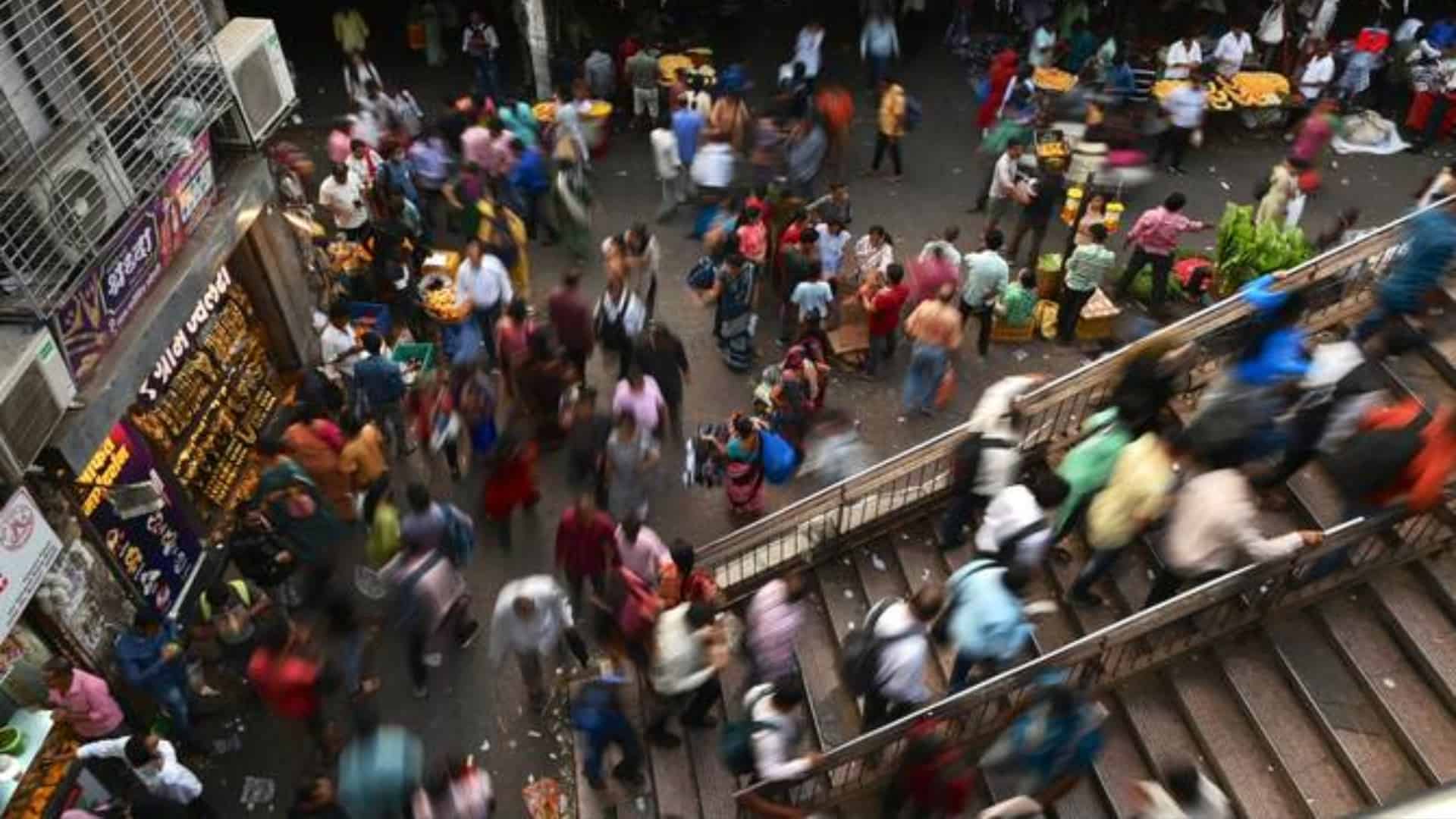
India has begun its long-delayed population census. Here's why it matters
India has begun the worlds largest national population count, which could reshape welfare...
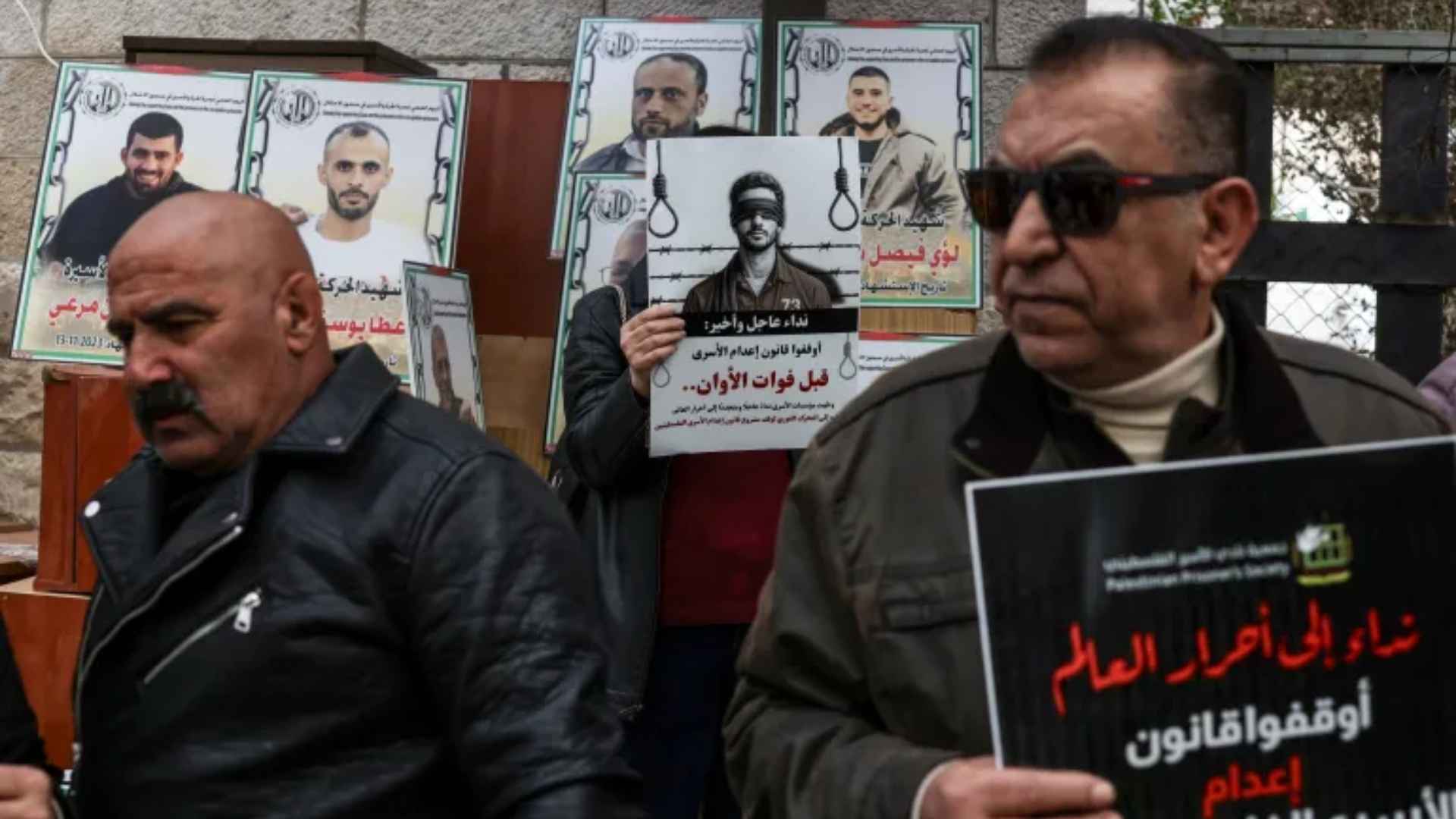
The United Nations has called on Israel to repeal a law passed by...


Business + Finance + Economy + Tech + Environment + Nepal & South Asia + In-depth Analysis + News + Investigation + Research + Expert Opinion + Anatomy of Complex Issues.