Judiciary | Legal System | Rule of Law | Accountability | Judicial Reform
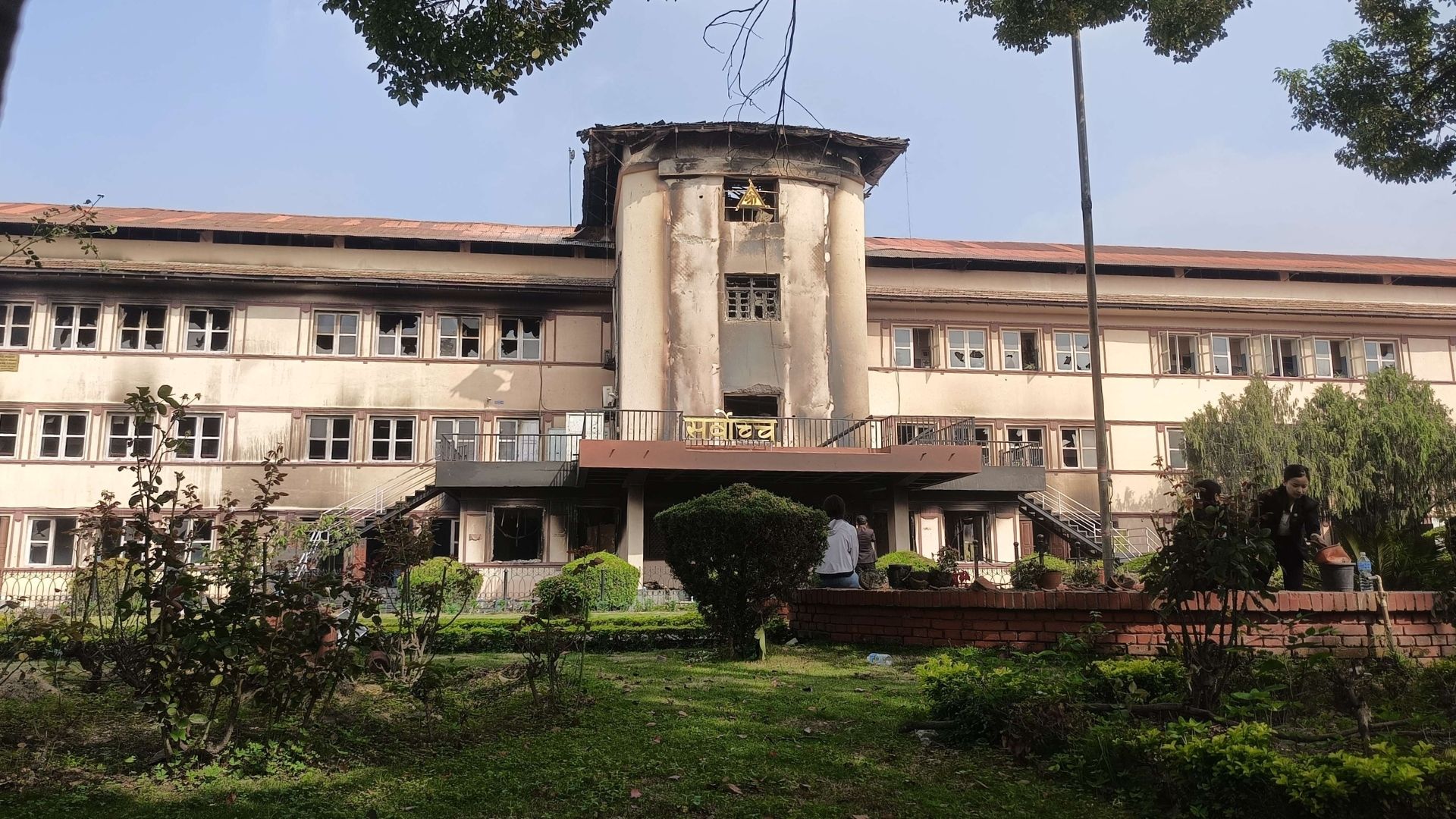
Judges’ Society Nepal has expressed concern over what it described as “prejudiced, retaliatory and fact-less” criticism directed at Nepal’s judiciary and judicial personnel, warning that such attacks risk undermining fair and impartial justice.
In a press statement issued on December 14, the Society said it takes public dissatisfaction over the administration of justice seriously and recognises the frustration of citizens who have waited long for court decisions.
The Society said the judiciary, as a public institution in an open democratic system, is not exempt from accountability and must deliver justice in a timely, impartial and integrity-based manner, guided by established judicial values and norms. “The strength of the judiciary should be measured by public trust rather than the authority it holds.”
Reaffirming the principle of judicial independence, the Society clarified that “judicial independence does not amount to judicial arbitrariness.” It underlined the judiciary’s role as the guardian of the rule of law, responsible for protecting citizens’ rights and freedoms and ensuring that state institutions operate within legal limits.
The Society said criticism of the judiciary is legitimate and welcome when it is aimed at strengthening judicial independence and is based on judicial procedures and the reasoning provided in court decisions.
Such fact-based criticism, it said, helps uphold integrity in judicial proceedings.
Expressing concern that recent commentary, particularly on social media and in some media outlets, appears less focused on reform and more on personal and unfounded attacks on the judiciary, it said , criticism driven by prejudice and retaliation creates undue pressure on judges, increases delays and uncertainty, and weakens the justice delivery process.
The Society cautioned against portraying every adverse verdict as an irregularity, noting that in any legal dispute, one party inevitably loses. If irregularities occur, it said, complaints should be lodged with competent authorities through established legal channels, warning that indiscriminate allegations undermine the dignity and credibility of the judiciary.
Responding to concerns over delays and case backlogs, the Society called for an assessment of judicial performance in relation to available resources, infrastructure and human capacity to determine whether delays stem from inaction or structural limitations. It said judicial administration should be open to managerial and systemic reform proposals aimed at improving the effectiveness of justice delivery.
The Society urged the public to exercise restraint in engaging in unfounded criticism and called on judicial management to initiate dialogue with key justice-sector stakeholders, including the Nepal Bar Association, the Office of the Attorney General, civil society and journalists, to strengthen the justice system.
Read More Stories

NEPSE falls nearly 75 points as market sentiment wavers
The stock market was unable to maintain the gains seen on Tuesday, slipping...

India has begun its long-delayed population census. Here's why it matters
India has begun the worlds largest national population count, which could reshape welfare...

The United Nations has called on Israel to repeal a law passed by...


Business + Finance + Economy + Tech + Environment + Nepal & South Asia + In-depth Analysis + News + Investigation + Research + Expert Opinion + Anatomy of Complex Issues.