Self Discovery | Individualism & Collectivism | Eastern & Western philosophies
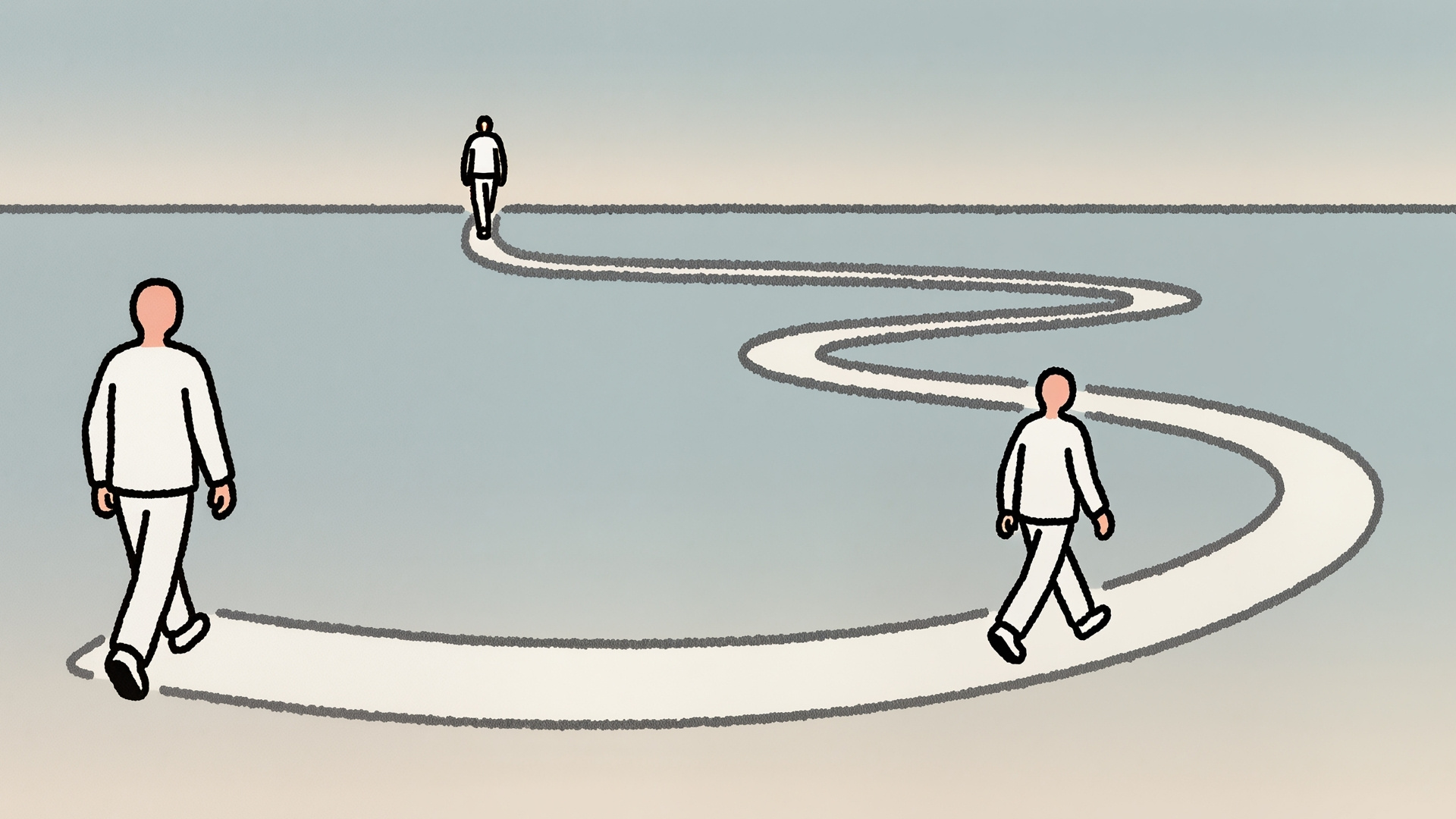
Lately, I have been thinking a lot about the “self”. How does one begin the journey of discovering “self”? At what point in life do we stop and wonder who we really are—especially in a collectivist society like ours, where your self is everyone’s shelf, your life is everyone’s living, and your business is everyone’s business.
I have been wondering what it means to walk the path of individualism—and whether that path eventually leads one toward self-discovery. Carl Jung says, “Your vision will become clear only when you can look into your own heart. Who looks outside, dreams: who looks inside, awakes”. His idea of self-discovery is through the integration of individualism and inward reflection. He also cautions that too much identification with the collective ideals (religion, culture, moral duty) can result in loss of individuality.
But the eastern philosophy tells a different story: that the self can be experienced through service, through dissolving the ego in acts of giving. Hindu philosophy, the concept of Karma Yoga, views the self as interconnected to others and the world around them. Inner peace derives from fulfilling one’s duties to others. It’s interesting because everything about others that agitates or excites us seems to hold a mirror to who we really are. But from another perspective, how does one find time to reflect when half of life is spent serving others? How should the reflection take place? In solitude or in service?
There’s a reason why I’ve been thinking about all these narratives. I live in Nepal—one of the world’s deeply collectivist societies—where there’s a default understanding that life is meant to be lived for others. Parents live for their children, and children live for their parents. It’s a beautiful structure in many ways; you always have someone to rely on, a safety net woven out of love and obligation.
But that same structure can also be quietly suffocating. It comes with rigid expectations of service, a constant reminder that your time, choices, and dreams are not entirely your own. We’ve all seen parents who never got to explore their own lives because responsibility became their identity. And children who silence their dreams because the unspoken rule of caregiving hovers above everything, especially as parents grow older.
Don’t get me wrong, there’s nothing inherently wrong with these sentiments. They are born out of love and loyalty. But sometimes I wonder, do these unspoken rules keep us from discovering who we could have been, in this only life? And if I ask that question… does it make me selfish?
When you start thinking about the “self”, does it mean one of two things? That you have emptied your cup in service to others and have nothing left to offer, or that you realised you are all you have and it’s time to take care of yourself for yourself but no one else?
And I wonder, are existentialists/nihilists even allowed to think about “self” because for them, nothing matters? And maybe, just maybe, nothing should. And that’s the closest anyone ever gets to truly discovering the “self”?
Read More Stories

NEPSE falls nearly 75 points as market sentiment wavers
The stock market was unable to maintain the gains seen on Tuesday, slipping...

India has begun its long-delayed population census. Here's why it matters
India has begun the worlds largest national population count, which could reshape welfare...

The United Nations has called on Israel to repeal a law passed by...


Business + Finance + Economy + Tech + Environment + Nepal & South Asia + In-depth Analysis + News + Investigation + Research + Expert Opinion + Anatomy of Complex Issues.