New Government Formation | Member of Parliament | House of Representatives 2026
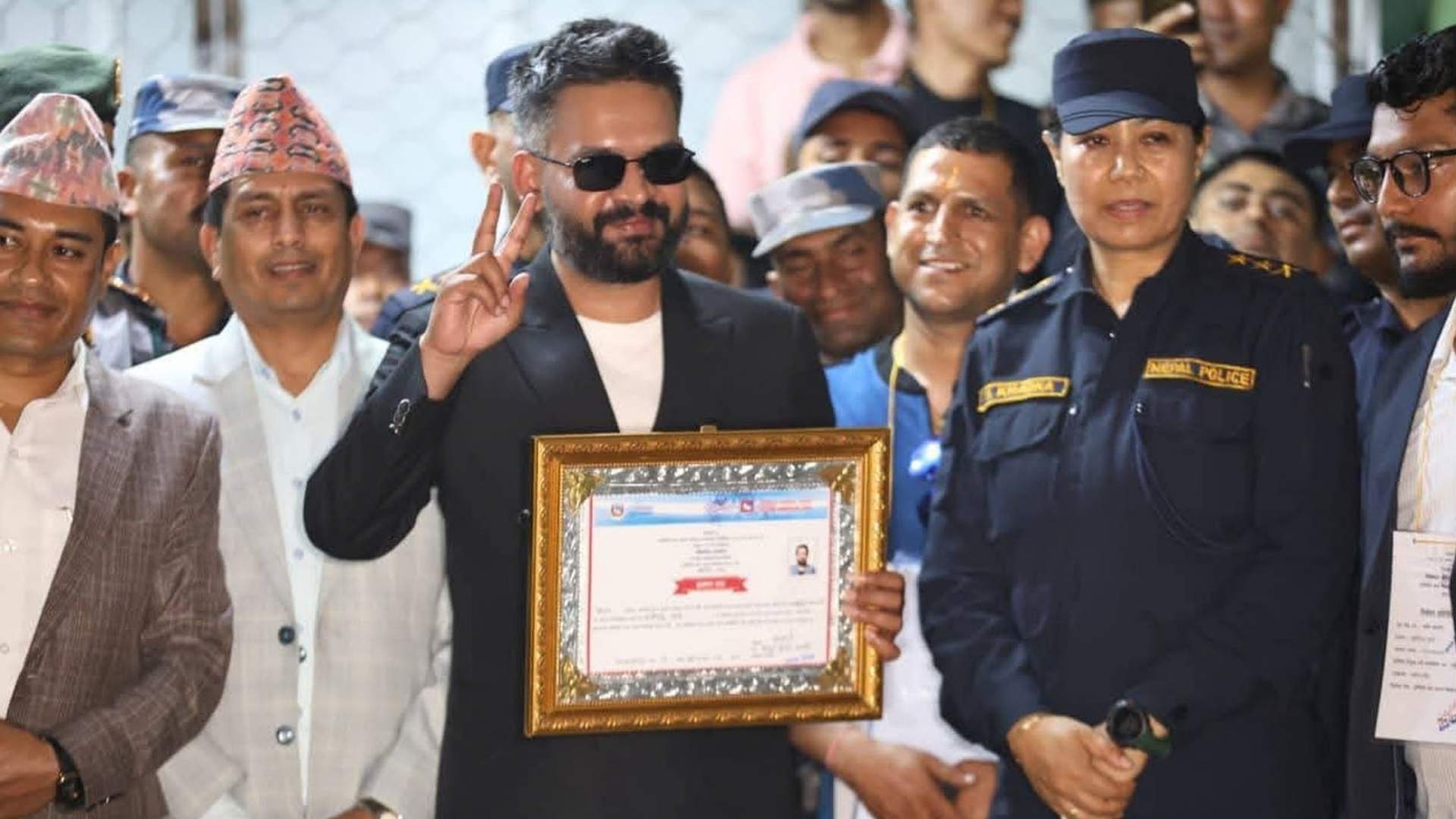
With the Rastriya Swatantra Party on course to secure a near two-thirds majority in the new House of Representatives after its sweeping election victory, Nepal will now soon enter a round of constitutional process to elect its next Prime Minister. Attention has now turned to when and how former Kathmandu Mayor Balendra Shah will assume the country’s topmost executive position.
The RSP’s transformation into an election-winning machine was set in motion partly by a seven-point agreement signed in the early hours of December 28, 2025, between RSP president Rabi Lamichhane and Shah. Its central political provision was that Lamichhane shall remain the party president, and that Shah shall serve as the parliamentary party leader and the party’s candidate for the prime minister.
With the election results reshaping the political landscape, the transition from victory to power in government now requires a series of mandatory steps, from certification of results and the swearing-in of MPs to the formal appointment by the President under Article 76(1).
The road to Singhadurbar
With results heading toward an RSP majority, the constitutional path to government formation is now clear, but it must pass through several mandatory procedural steps before Shah can take up office at Singhadurbar.
Under Section 62 of the House of Representatives Member Election Act, 2017, an official report must reach the President within seven days of the announcement of final results. Once the President formally receives it, he is constitutionally considered to have been informed of the outcome.
Within 30 days of the declaration of final results, the President must summon a session of the House. This is a mandatory constitutional obligation under Article 93(1), and the House cannot formally convene without the presidential summons. The President shall also separately address this first session under Article 95(2).
The senior-most member presides and administers the oath
At this point, no Speaker or Deputy Speaker yet exists for the new House. The Constitution provides a clear mechanism for this interregnum: under Article 91(3), if the election of the Speaker and Deputy Speaker has not yet taken place, the member of the House of Representatives who is the senior-most by age shall chair the meeting.
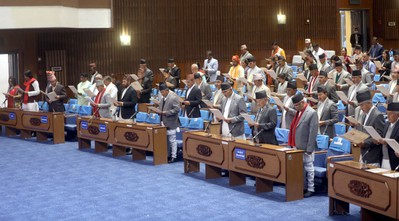
This senior-most MP-elect steps forward to preside temporarily and administers the oath of office and membership to the other 274 newly elected members. Under Article 93, every member of the House must take this oath before taking part for the first time in any sitting of the House or any of its committees.
Election of the Speaker and Deputy Speaker
Once all members have been sworn in, the House must elect a Speaker and a Deputy Speaker from among its members within 15 days of its first meeting.
Notably, the Constitution requires that one of the two, either the Speaker or the Deputy Speaker, must be a woman. With the Speaker now elected, the senior-most member’s temporary presiding function ends, and the Speaker assumes the chair.
RSP parliamentary party meets and elects its leader
With the House now constituted, the RSP’s newly elected MPs convene a parliamentary party meeting and formally elect their parliamentary party leader.
Under the seven-point party agreement of December 2025, this position is guaranteed to Balendra Shah. The parliamentary party meeting passes a resolution to that effect, and the party communicates its leader’s name to the President.
President appoints the prime minister under Article 76(1)
Once the President has formally received the report from the Election Commission and the RSP has communicated the election of its parliamentary party leader, Article 76(1) of the Constitution is triggered.
It requires the President to appoint the leader of the parliamentary party commanding a majority in the House as Prime Minister, and for the Council of Ministers to be constituted under that person’s chairpersonship.
Because the RSP is on course to win well over a clear majority, Shah will not be required to face a subsequent vote of confidence in the House; appointment under Article 76(1) carries no such obligation.
Oath of Prime Minister before the President
Before assuming office, the Prime Minister-designate must take an oath of office and secrecy before the President. Only after this oath is administered is Shah constitutionally empowered to act as Prime Minister.
Upon his recommendation, and consistent with the principles of inclusion, the President then appoints the Cabinet. The Council of Ministers, to be chaired by the Prime Minister, may not consist of more than 25 members, including the Prime Minister, as stipulated by the Constitution. Each minister in turn takes an oath of office and secrecy before the President under Article 80.
If appointed, Shah will be 36 years old, the country’s youngest prime minister in the republic Nepal. He will also be the first leader from the Madhesi community to hold the office.
Read More Stories

NEPSE falls nearly 75 points as market sentiment wavers
The stock market was unable to maintain the gains seen on Tuesday, slipping...

India has begun its long-delayed population census. Here's why it matters
India has begun the worlds largest national population count, which could reshape welfare...
The United Nations has called on Israel to repeal a law passed by...


Business + Finance + Economy + Tech + Environment + Nepal & South Asia + In-depth Analysis + News + Investigation + Research + Expert Opinion + Anatomy of Complex Issues.