Communal Clashes Nepal | Hindu-Muslim Religious Tensions | Terai-Madhes Towns
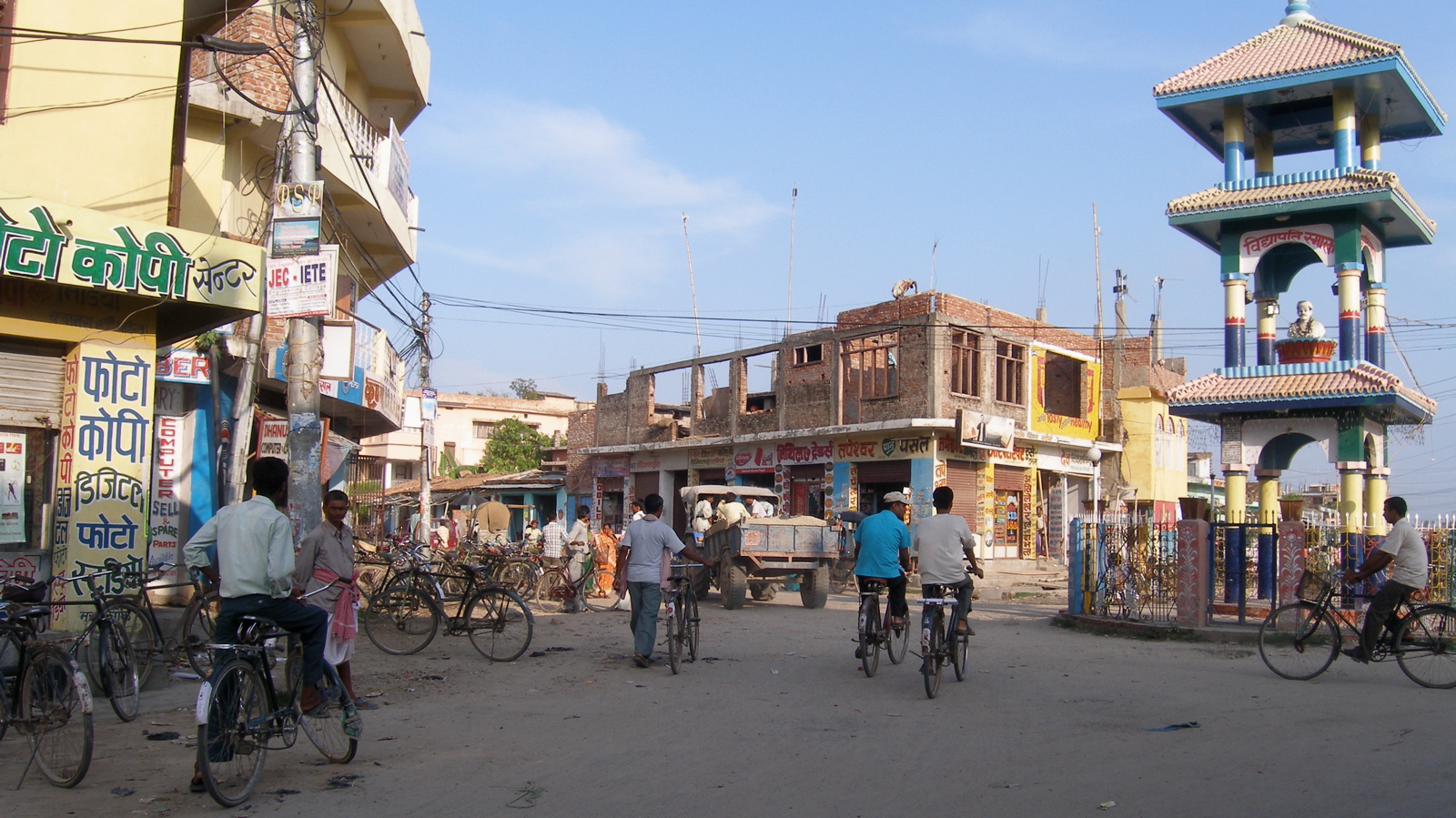
Durga Puja idol immersion processions in Janakpurdham of Madhesh Province and Banke district of Lumbini turned violent on October 3, prompting police intervention and prohibitory orders across several areas. The clashes mirrored a similar outbreak in Janakpur barely a month earlier during Ganesh idol immersion, highlighting recurring communal flashpoints in Nepal’s southern plains.
In Janakpurdham’s Ward 20, Devpura Rupetha, violence erupted near the Rizvi Jama Masjid when stones were hurled as a Durga idol procession passed by, leading to confrontations between Hindu and Muslim groups. While each side blamed the other for throwing the first stone, videos circulating on social media suggest that loud DJ music and provocative songs deliberately played in front of the mosque heightened the tension.
The Dhanusha District Administration Office has imposed prohibitory orders along key roads and warned that acts of vandalism, arson, or other unlawful activity would be dealt with under the law.
In Banke, similar tensions escalated in Nepalgunj submetropolis and surrounding rural municipalities Duduwa and Narainapur, where authorities said idol immersion processions passing through mixed-community areas sparked stone-pelting, vandalism, and arson, damaging shops in Hirminiya (Duduwa-6) and houses in Gegli and Janatapur (Narainapur). Yet again, where the first stone came from remains unknown.
The Banke District Administration Office has imposed prohibitory orders across affected wards to prevent further escalation.
Both incidents underscore a recurring pattern of festival-time-procession communal tensions in Nepal’s Terai, where processions through sensitive locations, provocative music, and retaliatory acts between communities repeatedly trigger clashes.
Six months ago, in April, the Parsa district administration had to issue curfew orders in the metropolis region of Birgunj after a Hanuman Jayanti procession escalated into stone pelting between Hindu and Muslim groups. In July, the eve of Muharram turned tense on the streets of Aadarshnagar after the authorities removed saffron flags hoisted at electricity poles to prevent a potential escalation that could have stemmed from “damaging” the flags by the other group. Fortunately, the tensions subsided overnight.
These outbreaks reveal a broader pattern. Social media-fuelled misinformation with the intention of spreading hate, long-standing local grievances on conduct of religious events and communal tensions, and the import of majoritarian political narratives from across the border have created a volatile environment where religious observances can quickly turn into flashpoints.
Analysts warn that without proactive civic and administrative interventions, these incidents threaten the fragile social fabric of the plains. And this needs a healthy discourse. Before that, here’s a chronology of communal clashes in the plains over the past decade.
Kapilvastu:
Rautahat:
Sarlahi:
Bara:
Mahottari:
Sunsari and Biratnagar:
Birgunj:
Banke:
Janakpurdham:
Read More Stories

NEPSE falls nearly 75 points as market sentiment wavers
The stock market was unable to maintain the gains seen on Tuesday, slipping...
India has begun its long-delayed population census. Here's why it matters
India has begun the worlds largest national population count, which could reshape welfare...
The United Nations has called on Israel to repeal a law passed by...


Business + Finance + Economy + Tech + Environment + Nepal & South Asia + In-depth Analysis + News + Investigation + Research + Expert Opinion + Anatomy of Complex Issues.