Fuel Prices Hike | Rising Global Costs | West Asia Conflict | Petroleum Products
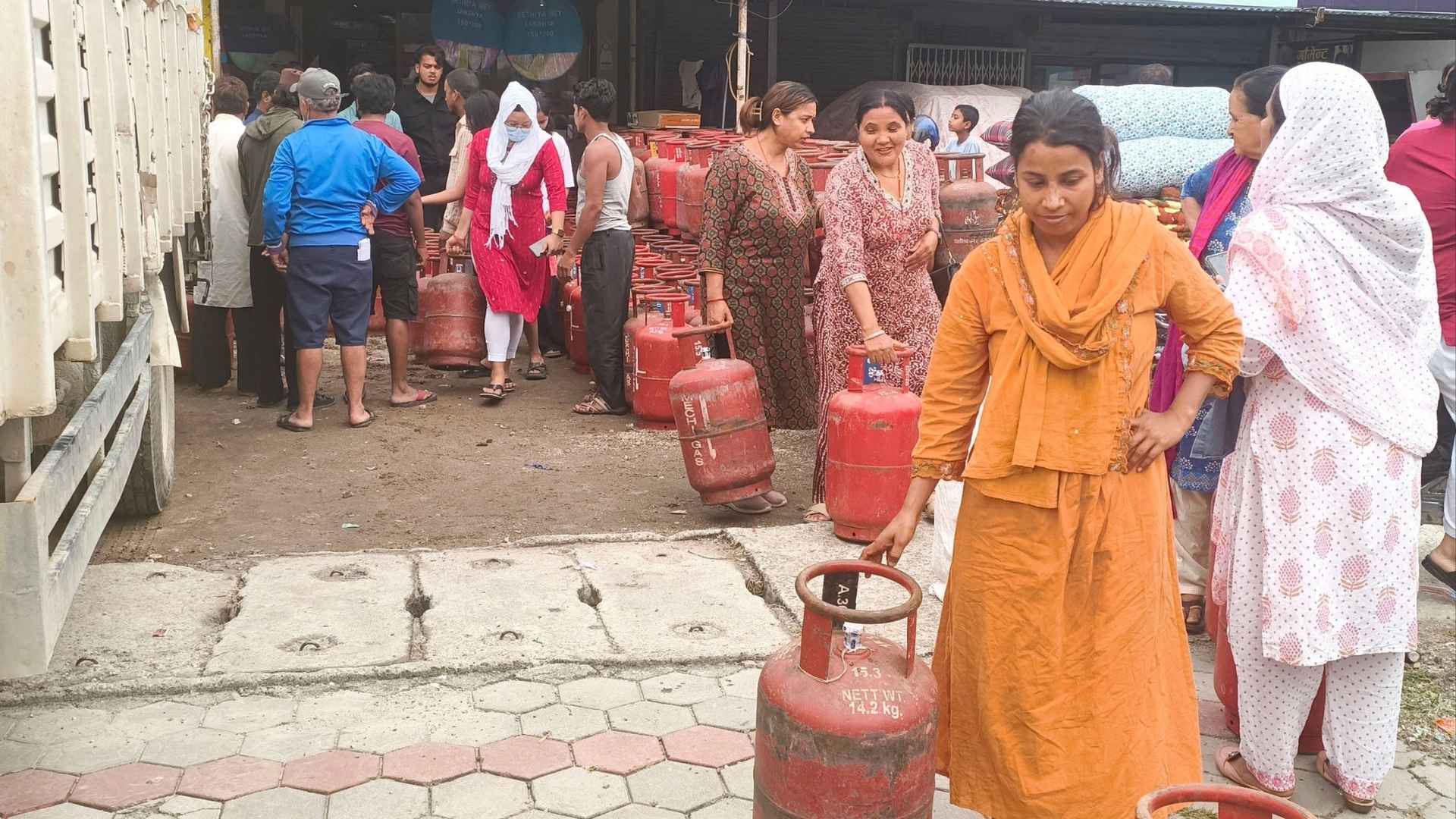
The Nepal Oil Corporation (NOC) has increased the retail prices of petrol and diesel, citing rising international fuel prices and supply pressures triggered by geopolitical tensions in West Asia.
According to the state-owned fuel supplier, the new prices came into effect from 12:01 am on Monday, with petrol rising by NRs 15 per litre and diesel and kerosene by NRs 10 per litre.
Following the revision, petrol now costs NRs 169.50 per litre in first-category depots, NRs 171 in second-category depots, and NRs 172 in third-category depots, which include Kathmandu.
Similarly, diesel and kerosene prices have been set at NRs 149.50, NRs 151, and NRs 152 per litre for the first, second, and third categories, respectively.
The corporation said the revision was necessary after it received the latest updated price list from Indian Oil Corporation (IOC) reflecting higher international fuel costs.
Despite the hike, the NOC said it has not fully passed on the increase to consumers. According to the corporation, petrol prices should have risen by about NRs 31 per litre and diesel by NRs 54 per litre based on the latest import rates. Instead, it adjusted prices partially, absorbing part of the increase through the price stabilisation fund.
Cooking gas prices, which currently stand at NRs 1,910 per cylinder, were not increased even though the import cost has climbed to around NRs 2,126 per cylinder.
The NOC said that if prices were not adjusted, it would face difficulty clearing payments to the Indian supplier, which could disrupt the supply chain.
Authorities say they are also taking steps to prevent any disruption in the supply of cooking gas. The NOC has introduced temporary limits on LPG refills to discourage panic buying and stretch available stocks.
At the same time, the Department of Commerce, Supplies and Consumer Protection, and district administrations and local governments across the country have stepped up market monitoring to curb hoarding, black-marketing and overpricing of cylinders.
According to the Kathmandu Metropolitan City (KMC), it has intensified its monitoring of individuals and businesses suspected of creating artificial shortages of cooking gas and vehicle fuel and engaging in black marketing. It has shared hotline numbers: 1180 and 9851356509 to report violations. Meanwhile, in Pokhara, the Kaski District Administration Office fined a gas dealer NRs 50,000 on Saturday for hiding gas cylinders and creating an artificial shortage in the market.
The corporation says supplies from IOC continue to arrive regularly despite global market volatility. However, authorities have urged households to purchase LPG only as needed and reduce consumption where possible, including by shifting to electric cooking.
The corporation also recalled that during the Russia–Ukraine War in 2022, Nepal’s fuel supply system came under severe strain as global prices surged. At the time, the NOC owed the Indian supplier about NRs 24 billion in dues due to delayed price adjustments.
According to the corporation, even after the current price revision, it expects a fortnightly loss of around NRs 3.93 billion.
Read More Stories

NEPSE falls nearly 75 points as market sentiment wavers
The stock market was unable to maintain the gains seen on Tuesday, slipping...
India has begun its long-delayed population census. Here's why it matters
India has begun the worlds largest national population count, which could reshape welfare...
The United Nations has called on Israel to repeal a law passed by...


Business + Finance + Economy + Tech + Environment + Nepal & South Asia + In-depth Analysis + News + Investigation + Research + Expert Opinion + Anatomy of Complex Issues.