Corruption as collective psyche | Revolution of minds, hearts & spirits | Gen Z Protests
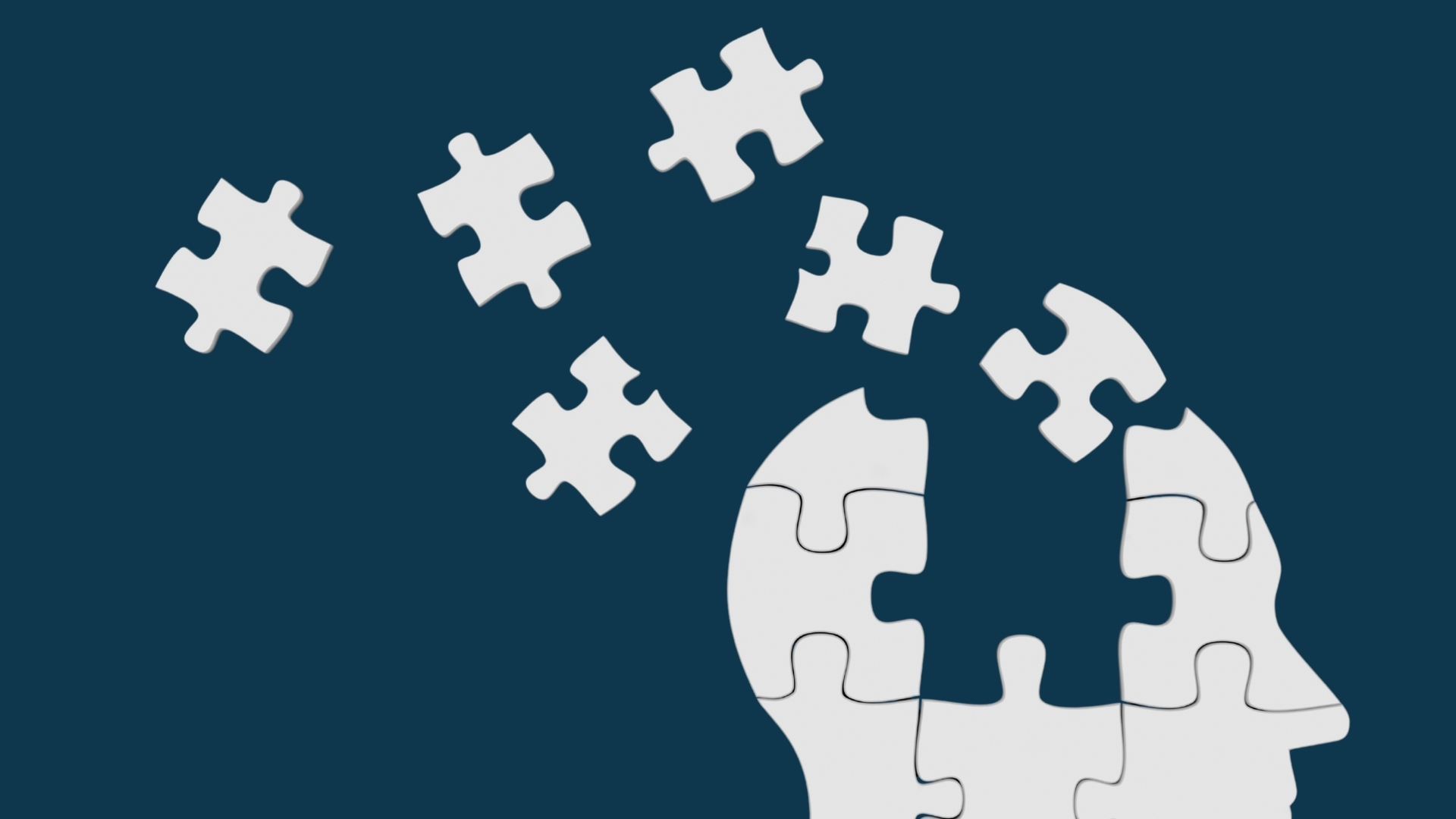
May we all find the inner peace, resolve, and strength to begin the process of communal healing, realign ourselves, and move forward, in the wake of the intense events of September 8 and 9 and their aftermath. As we strive to find the necessary communal spirit and gather ourselves, our path ahead must be nothing less than a profound renewal—a revolution of our minds, hearts, and spirits.
This revolution has to mark a reset not only for the Nepali political class, public administration, and business culture, but most importantly, for our collective ethos as people of this nation. All forms of corruption—both the ones that we witnessed and those that we willfully chose not to see—must come to an end.
Transparency International’s Corruption Perceptions Index 2024 ranks Nepal 107th out of 180 countries, with a score of 34/100 (where 0 means highly corrupt and 100 means very clean). It says a lot. That corruption is rooted in our institutions and political culture. But that is not where it ends—or starts. As a society, we swim in the same polluted waters. The nation’s corruption is endemic in nature as it permeates all levels of society in different forms and magnitudes. We have turned into a society that worships money and access regardless of the source. Many of us, in different ways, have benefited from the same disease of corruption that we claim to seek a cure for.
In our daily lives, corruption shows up in many forms—like those who believe they are entitled to ‘favoured access to god’, as they make calls to middlemen for priority access to places of worship; our peers who boast forging fake journalist passes for mobility during restrictions; ones who called in favours to jump queues to COVID vaccinations while the most vulnerable died; our friends who leverage connections to gain VIP treatment in airports and other public spaces; professionals who convert unfair influence to gain favoured access to employment opportunities at the cost of deserving others.
In our public sectors and regulatory bodies, we have normalised conflict of interest. Key service providers, such as those in health and education, often influence policies in their own interests over public welfare. We have helped proliferate a middleman culture, paying for shortcuts, excusing ourselves with “this is just how things work in Nepal”.
In our business culture, we praise merchants who indulge in arbitrage and seek to increase their wealth without adding value, but by collusion and charging exorbitant prices. We are hooked up with media which feed us twisted stories to fit their own interests. Intellectuals, on the other hand, serve private agendas while neglecting the collective good. We squeeze foreign aid for personal gains. We often watch and even promote our peers dialing someone in a position of power to evade regulations/penalties—once again under the familiar excuse of “this is how things work in Nepal”.
The daily normalisation of corrupt practices has ingrained corruption into the nation’s collective psyche. Each of these, regardless of the scale, has fed into this larger culture that now suffocates us, culminating in recent days in the indiscriminate killing of people by the state and the so-called protestors.
Nepal’s political culture is a reflection of our collective ethos as a society. As citizens, each of us carries a share of responsibility for where Nepal as a nation stands today—while each of us also has the power to redefine what we are to become tomorrow. We must start by looking at ourselves in the mirror. The process of undoing the corruption of our collective minds starts now. Anything less will be a grave insult to the sacrifices made. If this revolution is truly to be a turning point and not a dead end, we must confront our own acts of corruption and end them in our lives, communities, households, and minds from today.
The way forward is collective reflection of the self and those immediately around us. Let us refrain from pointing fingers—there is no more space for targeted violence, even towards the devil.
The major battle lies in shifting our collective psyche, which is inclined towards bending laws and leveraging personal contacts over building and trusting our systems. The truest revolution must be fought in our own hearts and minds. The nation will truly be free the day we stop admiring shortcuts, stop excusing “this is how things work in Nepal”, and begin insisting integrity from everyone. Gen Z must lead a generation of Nepalis into demanding accountability not just from leaders and institutions, but also from themselves and their communities.
Let us help each other as we collectively enter this battlefield of the mind, undertake a journey of self-reflection, heal as a community, and rebuild Nepal for what it deserves to be.
Read More Stories

NEPSE falls nearly 75 points as market sentiment wavers
The stock market was unable to maintain the gains seen on Tuesday, slipping...
India has begun its long-delayed population census. Here's why it matters
India has begun the worlds largest national population count, which could reshape welfare...
The United Nations has called on Israel to repeal a law passed by...


Business + Finance + Economy + Tech + Environment + Nepal & South Asia + In-depth Analysis + News + Investigation + Research + Expert Opinion + Anatomy of Complex Issues.