Gold price Nepal | De-dollarisation | Gold investment | Global inflation
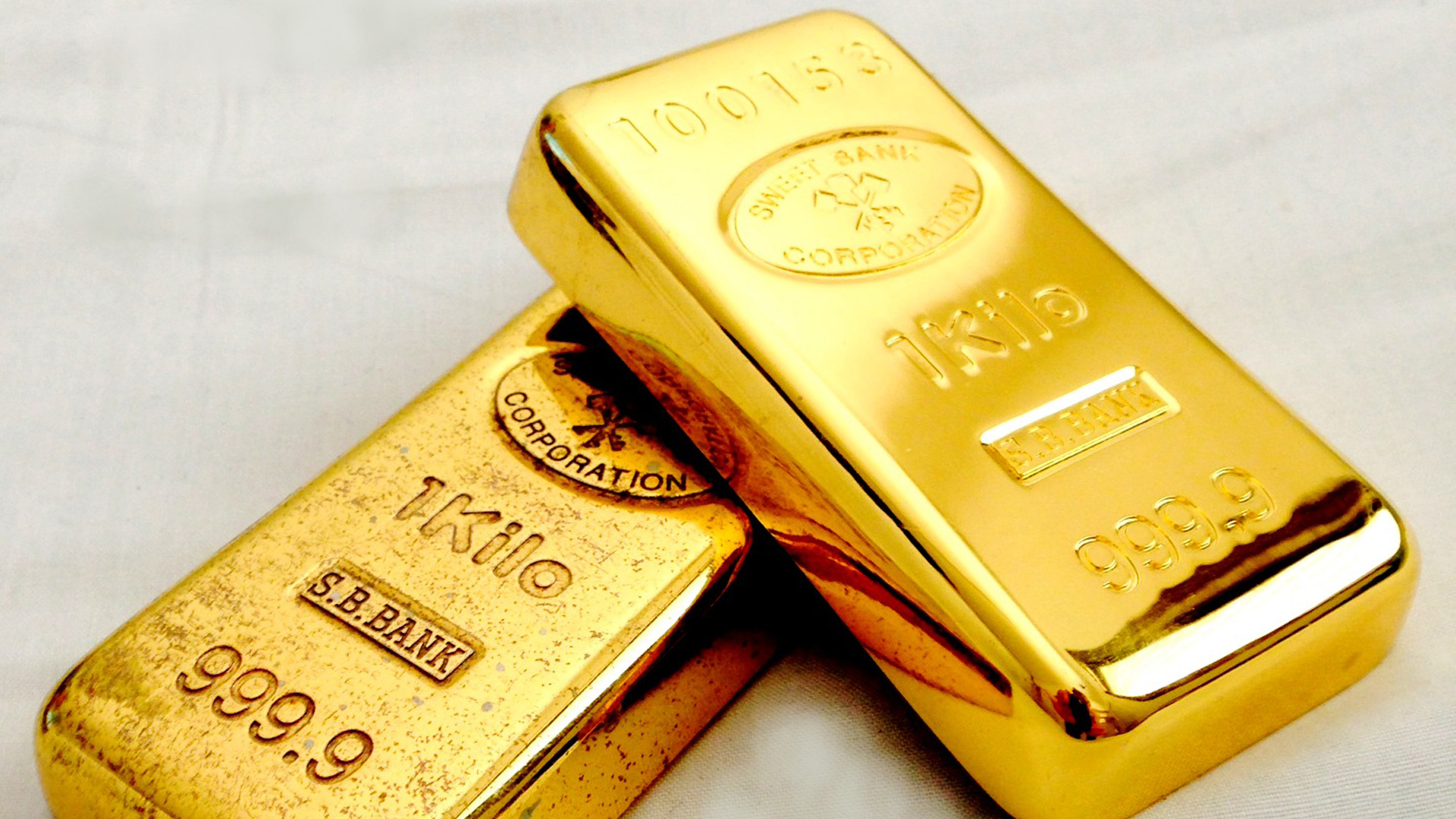
The price of one tola hallmark gold reached NRs 239,000 on Thursday—a nearly 50% year-over-year increase, from the same period last year when it was still an expensive NRs 160,000 per tola. One tola is approximately 11.66 grams.
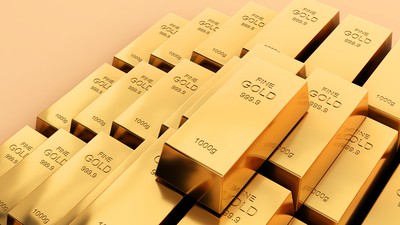
With valuation reaching a new global record—crossing the $4,000 per ounce mark, anxieties surrounding its value are also at an all time high. Looking at the bigger picture reveals most of what we need to know as to why this precious metal has been surging lately and what that tells us about how our world looks like.
Global uncertainty drives safe-haven demand
The real story lies beyond Nepal’s borders. Gold prices worldwide have been on an aggressive upward trajectory since late August, and Nepal is simply riding that wave. For the first time, prices have crossed the $4,000 mark.
One of the biggest drivers has been a surge in demand for safe-haven assets. In periods of global economic and geopolitical turbulence, gold tends to become a preferred store of value. Gold hit the $1,000 mark during the 2007/08 financial crisis, $2,000 during the pandemic, and $3,000 with Trump’s tariff plans.
Today, persistent global inflationary pressures, rising interest rates in major economies, and uneven post-pandemic recoveries in employment and debt levels have also added layers of uncertainty. Heightened geopolitical tensions, particularly the wars involving Ukraine and the Middle East, have also pushed investors toward physical assets that can retain value in unstable times.
Additionally, central banks, particularly in emerging markets, have been increasing their gold reserves, amplifying global demand and pushing prices higher. 2025 marks the first year since 1996 where foreign central banks hold more gold than U.S. treasuries signalling a declining trust in the dollar.
This shift reflects deeper anxieties about the US, one of the world’s most stable and secure economies, which also benefits from the global trust in its dollars as a global reserve currency. But its credibility is showing cracks. Under Trump, economic, social and foreign policies have leaned towards protectionism, widely criticised for being out of touch, economically inefficient and most importantly unpredictable. Tariff volatility, in particular, has eroded distrust in the American economy and subsequently the dollar.
The currency is also facing challenges through rival and emerging countries, most notably BRICS members, who want to de-dollarise their trade. Adding to this threat to the dollars are the US’s ballooning fiscal deficits (currently around 6% of GDP) and Trump’s attack on its central bank.
The US factor alone doesn’t explain the current momentum. The latest surge is also attributed to the possible appointment of Japan’s new Prime Minister weakening the Yen, which is considered another safe currency in financial markets. With Yen weakening, gold is further becoming the go-to asset.
Domestic policies haven’t moved the needle
Nepal’s domestic gold market is largely price-taker rather than price-maker, meaning Nepal doesn’t set global trends but rather adjusts to them. In late 2024, the government made imports cheaper, which lowered prices by over NRs 10,000. The move aimed to curb smuggling from India, which had earlier slashed its own import duty from 15% to 6%.
In the current fiscal year, Nepal introduced a 2% luxury tax on gold. Beyond these, there have been no significant policy adjustments directly affecting gold prices.
A weaker rupee compounds the impact
Another factor quietly magnifying gold’s price in Nepal is its currency depreciation. Nepal’s currency is pegged to the Indian rupee, which itself has faced downward pressure against the U.S. dollar. Since gold is priced internationally in dollars, any weakening of local currencies means domestic buyers end up paying more. Even when global prices stabilise, a depreciating currency can continue to make gold more expensive at home.
Retail investors face a tough choice
It has reached a point where retail investors are simply priced out of investing in gold even with the high opportunity cost associated with missing out on sizable returns, however this situation has brought upon an anxious question. Will gold keep rising in value? Note that the price of gold reduced by NRs 4,200 while writing this explainer.
Gold has historically been a hedge against economic uncertainty, holding value even when monetary indicators like fixed asset and currency value are on decline. The counter also holds true that at times of economic prosperity, gold prices fluctuate and even decline but seem to eventually bounce back within the decade.
It is almost impossible to say for certain what the value of gold will look like in the coming months. The factors of uncertainty which contribute to rising prices don't seem to be slowing down soon but analysts also argue that in its current state, gold is overbought—in other words, overpriced.
Even with gold being overvalued at the moment—experts argue the foundational principles of economic uncertainty that raise gold value are strong and its value is expected to hold, bearing some short-term market correcting fluctuations.
For ordinary investors, this creates a dilemma between sitting out and buying into a rally that may have already peaked. In Nepal’s retail context buying gold directly is not feasible. For most individuals jewellery shops are the only accessible legal route to gold where transactions are liable to tax and commission fees.
While gold has shown remarkable resilience over the decades, it is not immune to cycles of correction. The only certainty, it seems, is that gold will continue to mirror the world’s anxieties and its ambitions in the months to come.
Read More Stories
NEPSE falls nearly 75 points as market sentiment wavers
The stock market was unable to maintain the gains seen on Tuesday, slipping...

India has begun its long-delayed population census. Here's why it matters
India has begun the worlds largest national population count, which could reshape welfare...

The United Nations has called on Israel to repeal a law passed by...


Business + Finance + Economy + Tech + Environment + Nepal & South Asia + In-depth Analysis + News + Investigation + Research + Expert Opinion + Anatomy of Complex Issues.