Deepening water crisis in Birgunj | Urban Development | Water Governance | Drought-Hit Province
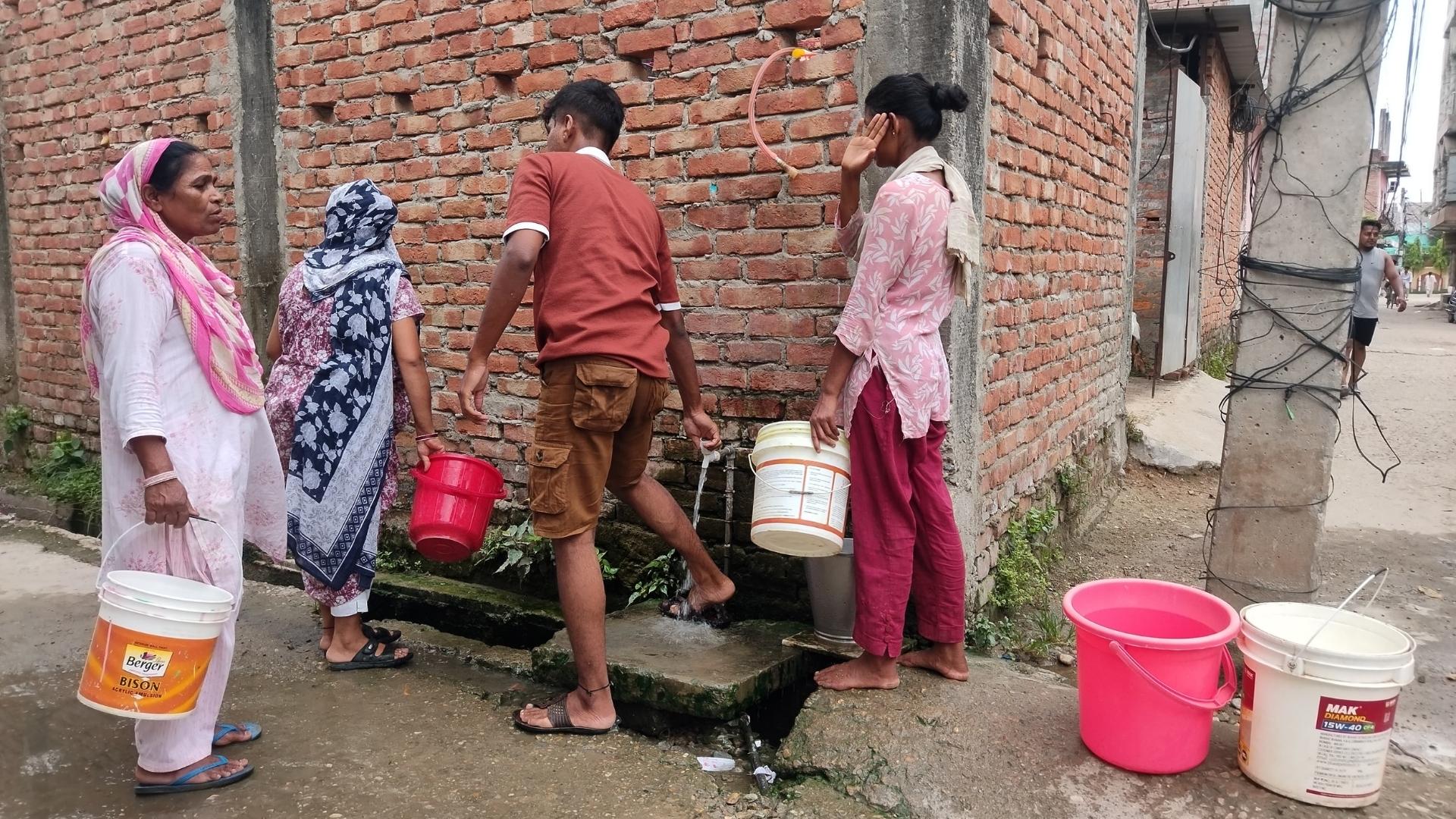
As daily temperatures soared over 40 degrees Celsius with little to no rainfall this monsoon, hand pumps have run dry in Birgunj, the plains’ most populous city, serving at least 1.4 million people. The city has faced low to moderate water crises in the summers since at least 2020, but this year the situation escalated significantly in June, leading to public desperation. People are forced to queue for hours for a few litres from a tanker, rely on distant government taps, and even bathe with condensation water from air conditioners.
“It feels like some epidemic has struck; you will find everyone on the road with buckets,” said 24-year-old Vinay Giri from Ward 11, Shreepur.
The crisis has upended daily life and dignity. Surya Narayan BK, a journalist in Ward 15, has been without water at home for over a month. “My brother somehow manages to fill and bring water from a government tap about 800-900 meters away for cooking and drinking,” he explained. “But it’s challenging for bathing, washing clothes, and using the toilet.” His other brother, a hotel chef, uses his workplace for basic hygiene.
Surya’s own routine has become a carefully managed ordeal. “I go to the radio station at 5 AM and use the toilet there,” he shared, adding that until two weeks ago, even the radio station had no water. The lack of water has also impacted his professional life. “It’s been [three] weeks since I washed my clothes... When it was time to host a program, my clothes were so dirty that I had to buy a new t-shirt and pants to attend.”
In a moment of dark humour, Bharat Shah from Ward 15 said: “Bathed with water from the AC for the first time, it was great fun!!” He explained that on the night of July 6, his hand pump gave up. His survival depended on a patchwork of solutions—help from neighbours, AC water, and rainwater.
Binay Patel, a resident of Nagwa in Ward 16, recalled that last year his well and hand pump did not dry up completely. This year, people in his locality have spent between NRs 4,000 and NRs 9,000 to lay pipelines from a public deep-boring 500 meters away, but the supply is unreliable. “Last year, the deep boring system would pump water up to everyone’s tanks. This time, it can’t even lift the water five feet (1.52 metres) above the road level,” noted Binay, a lecturer at Trijuddha Mahabir Prasad Raghubir Ram Secondary School located in Birta of Birgunj.
Several residents reported long lines at public taps, even late at night. Some, like the family of Economics lecturer Rohit Gupta, have temporarily left the city. He remains, taking classes in the morning and collecting water from a deep boring tap point every evening. The acute crisis extends beyond the metropolis to adjoining rural municipalities.
In Parwanipur of Bara, residents demonstrated with empty buckets, demanding intervention. Youths from Bindawasini Rural Municipality in Parsa pour rage against political leadership on social media for neglecting the water crisis there.
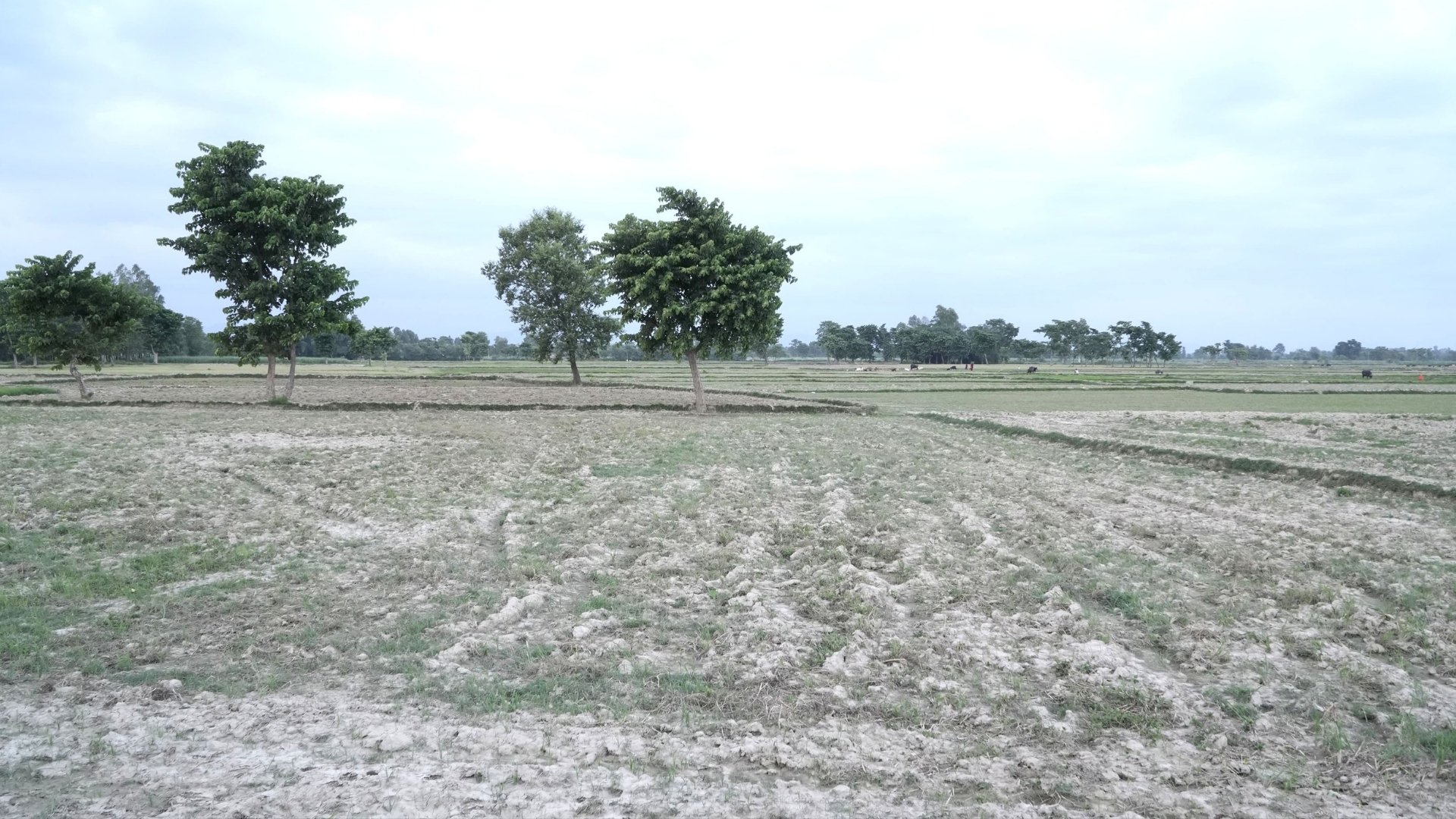
Water problems for drinking and farming are also reported in Rautahat, Sarlahi, and other parts of Bara. On July 10, the Madhesh government declared the province a drought-hit zone due to the prolonged dry conditions that have jeopardised agricultural productivity. While monsoon paddy is planted over 372,645 hectares in the province, only 125,888 hectares, i.e. 33.78%, could be planted as of July 13.
Back in Birgunj, the city government and nearby local levels and the provincial government are supplying water through fire trucks and tankers, but it is not enough. The metropolis is actively drilling new deep-boring systems across all wards as an immediate measure.
As of July 15, more than 75 deep bores were supplying water, but numerous projects are still underway. The federal ministry for water supply has installed more than 250 deep bore wells in Parsa and Bara districts.
Experts see this as a necessary immediate solution but a long-term threat that could lead to desertification and permanent displacement if not managed sustainably.
Causes of the crisis
The crisis is attributed to a lack of timely rainfall and Chure exploitation, but other factors are at play. Lecturer Binay highlights that as new roads are built higher to prevent flooding, and house plinths are raised, the height that hand pumps need to lift water has increased. He argues that the groundwater has not been completely depleted, as digging deeper often restores water flow.
Climate and Environment Expert Ujjwal Upadhyay, who hails from Birgunj, links the crisis to the destruction of natural water recharge zones for urban development over the last three decades. “I vividly remember a time when Birgunj was dotted with ponds, recharge wells, and open spaces that allowed rainwater to naturally infiltrate the ground,” he said. He recalled passing five recharge wells and four ponds on his daily walk to school between 1988 and 1996.
An area south of Reshamkothi was a large marshland that absorbed heavy rain and retained water during dry periods, supporting a rich ecosystem. “In the name of urbanisation, Birgunj has completely ignored environmental protection,” he stated.
Ujjwal also pointed to the loss of traditional water management systems, including two types of wells: one for drawing water and another without a boundary wall specifically for recharging rainwater. “That concept has completely disappeared,” he lamented, noting that these practices were vital for maintaining the water table.
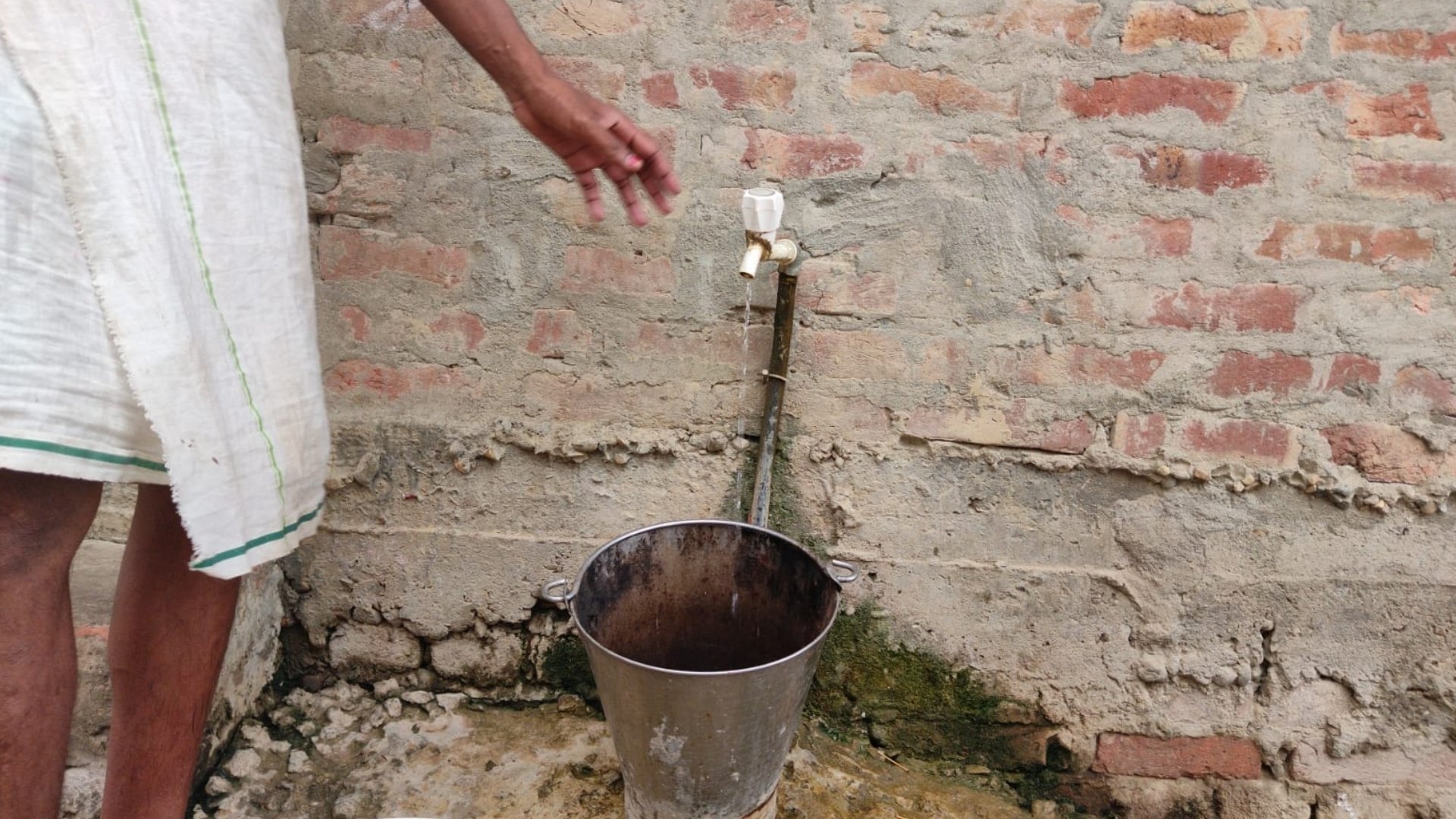
Unregulated groundwater use has also fueled the crisis.
In Birgunj, 58.3% of households rely on tubewells and hand pumps. The free accessibility to this water source has discouraged subscriptions to the state-owned Nepal Water Supply Corporation, which only covers 21.41% of the population. However, in the last three years, as hand pumps started drying up, there has been a surge of applications for new connections at the Corporation’s Birgunj branch. But due to a lack of resources, the work progress is slow.
Social worker and resident of Ranighat in Ward 10, Bikram Sah, calls the lack of a comprehensive piped water system the “biggest irony” of the crisis, pointing to a fundamental failure of governance in the city.
Wasteful practices and governance failure
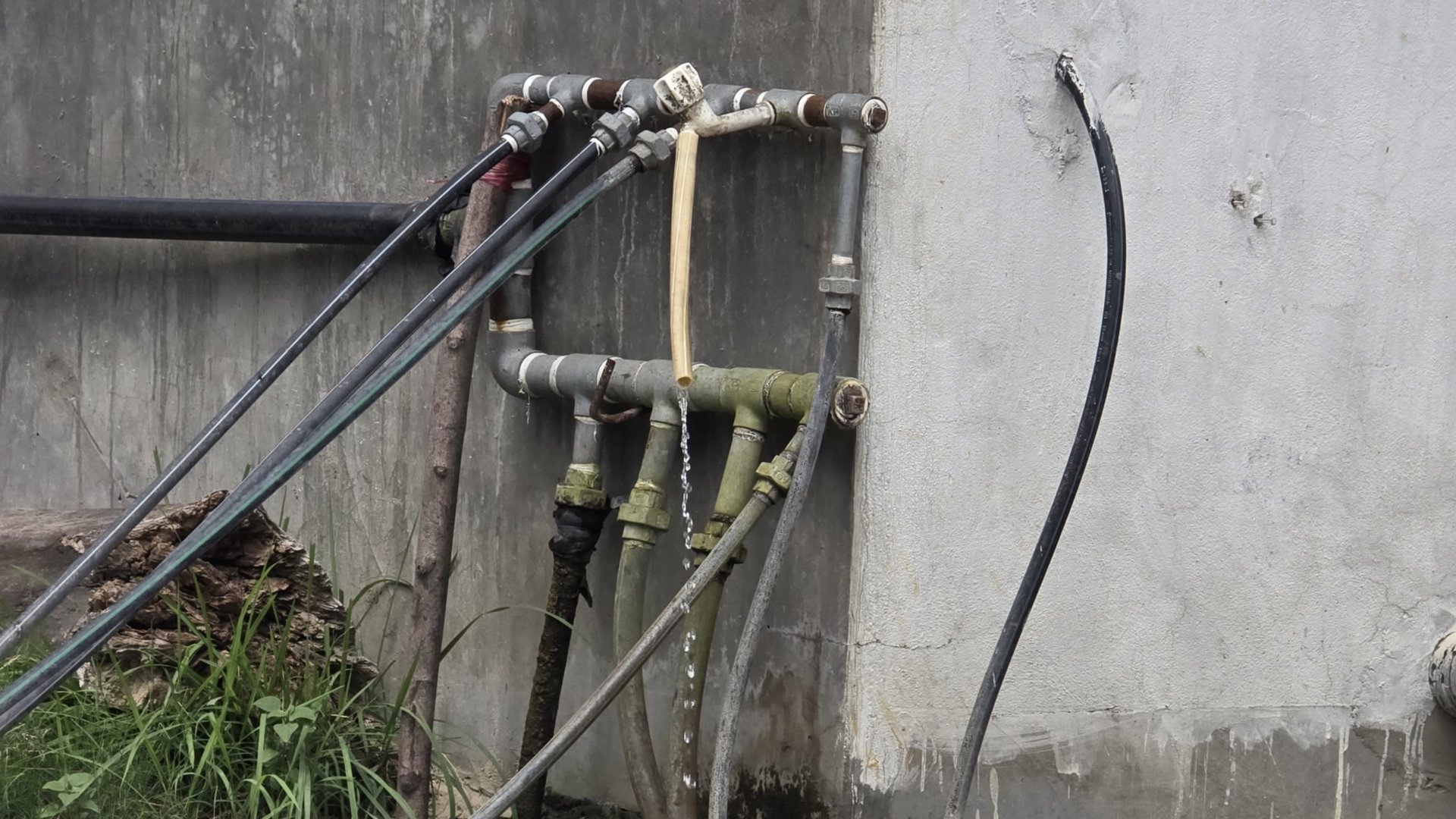
Lecturer Binay observes that the convenience of deep boring has led to complacency and misuse. “People finish their chores and leave the tap running,” he said. Mithilesh Chaurasiya, resident of Ward 13 and currently a faculty member at Far Western University in Dadeldhura, blames the wasteful practices of large institutions. “They just leave the deep boring water running,” he stated, recalling how his interventions were met with indifference.
The budgets of the Birgunj Metropolitan City (BMC) for the past three years acknowledge the summer water crisis but have primarily focused on deep boring installations. The Madhesh Government’s 2025/26 budget has allocated NRs 55 million for deep boring projects across the province, in stark contrast to the NRs 12 million for Chure-Bhawar watershed conservation. The federal budget, however, has allocated NRs 1.69 billion to strengthen the water cycle of the Terai-Madhes region. Similarly, on July 14, federal Water Supply Minister Pradeep Yadav announced an NRs 4.50 billion project with assistance from Asian Development Bank to sustainably solve the city’s drinking water problem.
BMC Mayor Rajeshman Singh has urged the public to use reserve tanks instead of plugging motors directly into taps and to create small pits around hand pumps to allow water to seep underground, rather than cementing all open land.
Ultimate sustainable solution
Environmentalist Dr Deep Narayan Shah advocates for a professionally managed, centralised water supply system to control extraction and ensure water quality. He argues this would allow for proper testing, reduce waste through metering, and enable the construction of an appropriately sized wastewater treatment plant.
Ujjwal Upadhyay proposes a multi-pronged approach. He stresses the immediate need to identify and protect remaining natural recharge zones, suggesting the government compensate landowners to secure these areas for the future. He also highlighted the need for preserving the city’s extensive public Guthi land for this purpose.
A key policy change would be making rainwater harvesting mandatory for all new construction, as the current provision in the metropolis’s building code is not a blanket mandate. He noted that households can install their own rainwater harvesting systems for a relatively low cost—NRs 10,000 to 15,000.
Reviving traditional water storage methods is also crucial. Ujjwal and Binay advocate for creating ponds, which act like sponges to recharge groundwater. Binay suggests promoting fish farming in villages to help recharge water through fish ponds, which will also help in generating income. He points out that the only two hand pumps still working in his village are near a pond and a well, proving the effectiveness of water storage.
Experts agree that the exploitation of the Chure range must be completely banned and afforestation promoted. Deep Narayan emphasises that a lasting solution requires looking north to the hills.
“To meet Birgunj’s water needs and recharge its groundwater, the management has to happen in the Chure region,” he stated, describing the watershed as the primary source for the plains’ aquifers. He cautioned that simply building ponds in Birgunj is not enough, as existing ponds and water bodies are shallow and polluted. The Sirsiya River, he described, is filled with “black water, with industrial toxicants.”
Given that the clayish soil under Birgunj has a low infiltration rate, Ujjwal suggests identifying recharge zones north of the Gandak Canal where the soil is more permeable. He stipulates that the area behind the Thakur Ram Multiple Campus and near the banks of the Sirisiya River can be a potential recharge zone. Both experts agree that stopping the exploitation in Chure is critical to preventing desertification.
Read More Stories

NEPSE falls nearly 75 points as market sentiment wavers
The stock market was unable to maintain the gains seen on Tuesday, slipping...
India has begun its long-delayed population census. Here's why it matters
India has begun the worlds largest national population count, which could reshape welfare...
The United Nations has called on Israel to repeal a law passed by...


Business + Finance + Economy + Tech + Environment + Nepal & South Asia + In-depth Analysis + News + Investigation + Research + Expert Opinion + Anatomy of Complex Issues.