China | Motuo Hydropower Station | Brahmaputra River dispute | India & Bangladesh water concerns
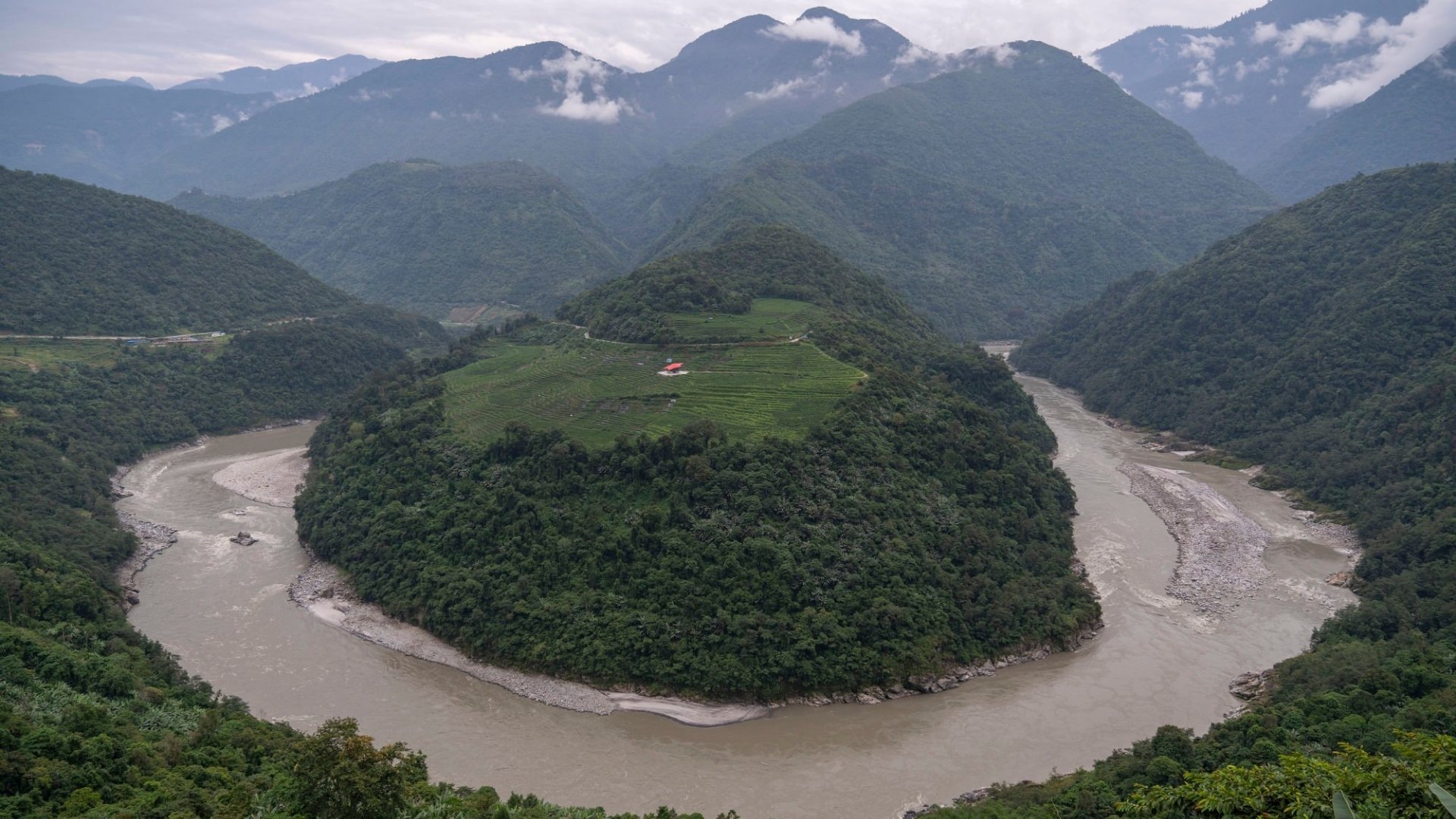
Last month, China announced its 70,000 MW megadam—the world’s largest hydroelectric power source, known as the Motuo Hydropower Station on the Brahmaputra River in southeastern Tibet.
The planned project inaugurated by Chinese Premier Li Qiang in the Nyingchi city on July 19 lies in the lower reaches of the Yarlung Zangbo river and some 30 kilometres away from the Indian border in Arunachal Pradesh.
Described as ‘project of the century’ by Premier Li, the project will include five cascade hydropower stations and is estimated to be built at $167.8 billion (1.2 trillion Yuan). It will be implemented by China Yajiang Group Co. Ltd., a newly formed state enterprise for the construction of Motuo plants.
The facility will supply power to the Tibet/Xizang Autonomous Region (TAR) and for consumption outside the region.
Approved last December, Motuo is a part of China’s 14th five-year plan that aims to significantly reduce its carbon emissions and achieve carbon neutrality by 2060. The country is the largest coal consumer globally, accounting for 58% of global coal use and nearly 40% more than the rest of the world, ultimately making it the world’s largest carbon emitter.
Also known as Yarlung Tsangpo in Tibetan, the Yarlung Zangbo originates over 5,300 metres above sea level from the Angsi Glacier in west Tibet, southeast of Mount Kailash and Lake Manasarovar. Spanning across China, Bhutan, India and Bangladesh, it is Tibet’s longest river, the fifth longest in China and the world’s 15th longest.
As the river continues downstream through India’s Arunachal Pradesh and Assam states, it is then known as Siang in Arunachal Pradesh, the Brahmaputra in Assam, the name India commonly uses for the river, and further down as the Jamuna River in Bangladesh. Over 114 million people across the four countries depend on the river for water, food, energy, and livelihood. While over a billion people in Asia depend on rivers flowing through Tibet where Yarlung Tsangpo originates from.
Since energy production from flowing water largely depends on the height of the fall, Yarlung’s steep and rapid descent, with a section of it plunging 2,000 metres in a span of 50 kilometres offers huge hydropower potential. The Motuo plant aims to capture that potential, but lower riparians, particularly India, view this attempt as geopolitical leverage.
India and Bangladesh raise serious concerns
For the lower riparians India and Bangladesh, the Brahmaputra water is critical, and the project raises several concerns and fears.
In India, its water ensures irrigation in Assam, Nagaland and Meghalaya, the country’s highly dense northeast regions; contributes to around 44% of its hydropower potential; and serves as the source of nearly 30% of its freshwater.
But India, with a population exceeding 1.3 billion, is already struggling with significant water scarcity. According to India’s government policy think tank Niti Aayog, around 600 million Indians face high to extreme water stress, and the country’s water demand is expected to double in 2030, implying severe water scarcity for hundreds of millions of people.
When the project plans were revealed earlier in December, the Arunachal Chief Minister Pema Khandu mentioned that the dam could dry up 80% of the river passing through the Indian state while potentially inundating downstream areas.
The project location, near the world’s deepest canyon on the Brahmaputra at the Great Bend, where the river takes a ‘U-turn’ and flows into India, implies that any alteration of river flow would severely impact its water security, including drinking water and irrigation, and ultimately food security in both India and Bangladesh.
Such concerns have some basis. A research by Stimson Center shows China held water through its Mekong dam despite downstream countries such as Thailand, Laos, Cambodia and Vietnam facing drought.
Meanwhile, China has stated that downstream countries need not oppose the new megadam and that the project has no negative impact on the lower reaches. Additionally, it has maintained continued future communication and cooperation on disaster prevention and relief for the well-being of river communities.
China has also engaged in limited cooperation with India regarding flood warnings of the Yarlung Zangbo River based on two Memorandum of Understanding (MoUs) with India, first signed in 2002. However, India has accuses China for insufficient information sharing, particularly withholding crucial hydrological data especially dry season flows.
In this context, China’s discretion about detailed hydrological data surrounding its new megadam is expected to fuel the ever-long water rivalry between India and China.
India’s another major fear is China’s exploitation of the geographic leverage potentially controlling the river’s flow downstream to exert political pressure. Khandu has termed the project as a water bomb, a term that has since been largely echoed in Indian media to highlight the geopolitical risks of the project.
Bangladesh, being the lowest riparian country in the Ganges-Brahmaputra-Meghna (GBM) basin, collectively known as the Brahmaputra river basin, is apparently the one with the most to lose. While just 8% of the Brahmaputra basin lies in the country, 70% of the dry season flow of the GBM basin that passes through Bangladesh comes via the Brahmaputra.
The country has long grappled with challenges in transboundary water governance by both upstream countries—China and India. For instance, Bangladesh views its 30-year-old treaty on Ganges water sharing with India unequal with the treaty which regulates the water flow on India’s Farakka barrage, situated 10 kilometres from its border, placing an undue burden on it. The country usually experiences severe water shortages during the dry season and intensified flooding during the monsoon. While the treaty is set to expire next year, Bangladesh now fears China’s megadam is an additional threat to its water security.
Another concern stems from the project’s location in the Indo-Tsangpo Suture zone, a high seismic risk zone. Additional dams and artificial reservoirs there can alter the natural landscape and end up amplifying the earthquake risks. A major earthquake could damage the structure and cause catastrophic flooding downstreams.
China, however, asserts that the project on the Brahmaputra is a run-of-the-river and not a reservoir-based plant requiring a large water storage facility for its production. During the inauguration, Premier Li said special emphasis “must be placed on ecological conservation to prevent environmental damage.” Nonetheless, such reassurances alone are unlikely to fully ease the concerns of the lower riparians.
China’s hydropower experience
China has eleven of the world’s 20 largest hydropower stations and yet possesses large hydropower potential. The country’s hydropower journey began 115 years ago, with the construction of Shilongba Hydropower Station in 1910 in its Yunnan Province. The station is considered to have laid the foundation for becoming home to the world’s most expansive hydropower projects in meeting the country’s enormous energy demand.
Today, China remains the world’s largest energy-consuming country, with the fastest-growing energy demand. Its annual electricity demand now exceeds 8,000 billion kWh.
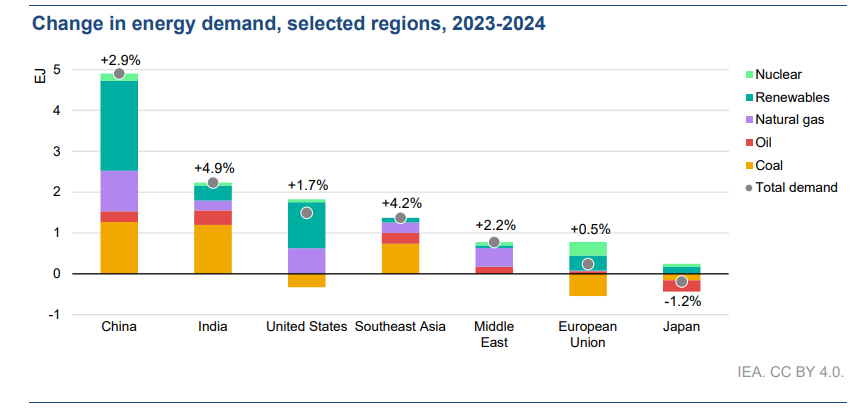
Currently, hydropower accounts for 18–20% of China’s total electricity generation. The country has so far constructed more than 94,000 dams with total installed capacity reaching 436 million kilowatts, and currently dominates the global hydropower development, both in terms of number and installed capacity.
Among these is the Three Gorges, the world’s current largest hydropower, boasting an installed capacity of 22,500 MW. Situated in Hubei province, it stretches more than two kilometres across the Yangtze river, and became fully operational in 2007 at about $37 billion investment.
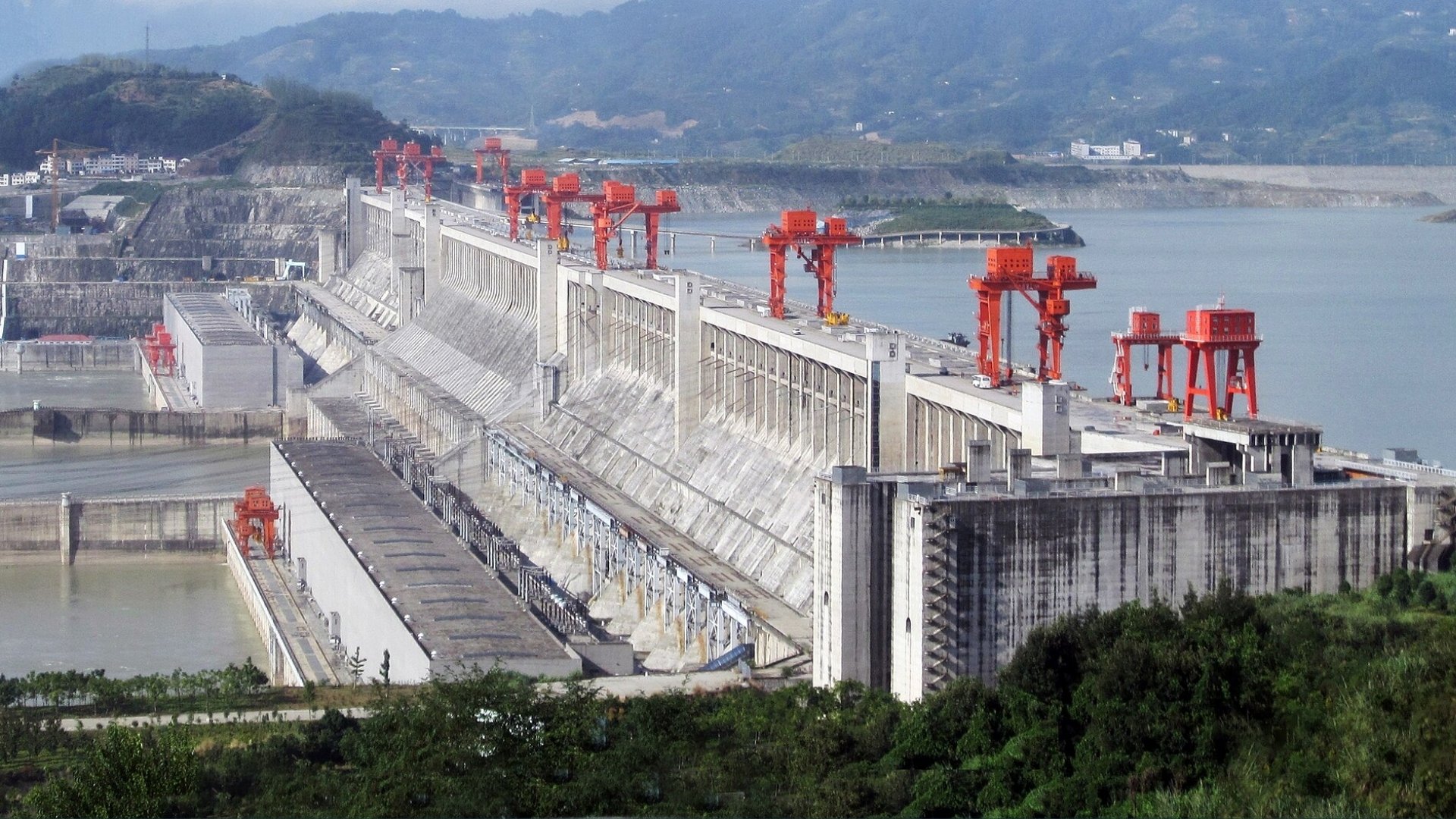 The expansion of dams across China over the years has however exacted a significant toll on its land and the ecosystems.
Ecological and human impacts
The Yangtze River, also known as China’s mother river, flows across China’s 19 provinces. The river basin, one of the most biologically diverse ecoregions in the world, was a home to around 400 fish species, 6,000 plant species, and 500 terrestrial vertebrates prior to building the Three Gorges.
The dam’s construction altered the river’s natural flow, leading to habitat fragmentation and the functional extinction of several native organisms such as the Chinese paddlefish and Yangtze Sturgeon.
Beyond ecological damage, the dam had severe human consequences.
When plans for the Three Gorges Dam were approved in 1992, human rights activists had raised concern about the possible mass displacement. When construction began in 1994, over 1.4 million people were forcefully relocated.
The Tibetan Plateau, often termed the World’s Water Tower, has seen similar consequences with repeated displacement of the communities native to the lands for generations. Tibetans have time and again held protests against the large-scale development projects in the region, raising concerns about threats to livelihood, the environment and cultural heritage.
Back in 2024, a free Tibet resistance network had called for a moratorium six months after the persistent protests during the Kamtok/Gangtuo dam project in Dege County, along the upper stretches of Yangtze river, known as Jinsha—which led to hundreds of Tibetans being assaulted by police and detained.
Now, China is planning the massive Motuo megadam, expected to generate 300 billion kilowatt-hours of electricity annually—more than three times the output of the Three Gorges Dam. The project, however, like the previous ones, is expected to come at a steep cost for Tibet’s land and people. Its construction is estimated to impact a total of 24,217 residents living within a 50 kilometres radius surrounding the planned project, including 14,934 residents living in Medog county alone.
Read More Stories

NEPSE falls nearly 75 points as market sentiment wavers
The stock market was unable to maintain the gains seen on Tuesday, slipping...

India has begun its long-delayed population census. Here's why it matters
India has begun the worlds largest national population count, which could reshape welfare...

The United Nations has called on Israel to repeal a law passed by...


Business + Finance + Economy + Tech + Environment + Nepal & South Asia + In-depth Analysis + News + Investigation + Research + Expert Opinion + Anatomy of Complex Issues.