“Everything is political, especially art,” says Shristi Shrestha, a member of the team of the sixth edition of PhotoKTM festival. Since inception, the festival has embraced artivism, supporting artists who use their work to express social and political issues. “What you say and what you choose not to say is political,” adds Shrestha, underscoring that art at PhotoKTM is never aimed to be neutral or apolitical.
Her words made me think of Virginia Woolf’s ‘A Room of One’s Own’ where she writes about women being denied the opportunity to create for centuries. Woolf reminds us that creativity is a right, not a privilege. Yet that remains out of reach for many even today. Accessibility itself is political. Accessibility of art, even more so.
In art lives stories, experiences, and emotions shaped by the contexts an artist lives in. In times of war, oppression and displacement, art becomes a medium of resistance, which is inherently political. Choosing not to speak is political as well.
The curatorial team sees the exhibition as more than a display. It’s also an exchange of stories that are often overlooked. As Shristi explains, in a world where Western powers often dictate whether to act or remain silent, it is crucial for artists from regions with shared struggles to come together. By bringing their stories into dialogue, the exhibition hopes to build connection, elevate marginalised voices and foster solidarity, from Palestine to Congo and beyond.
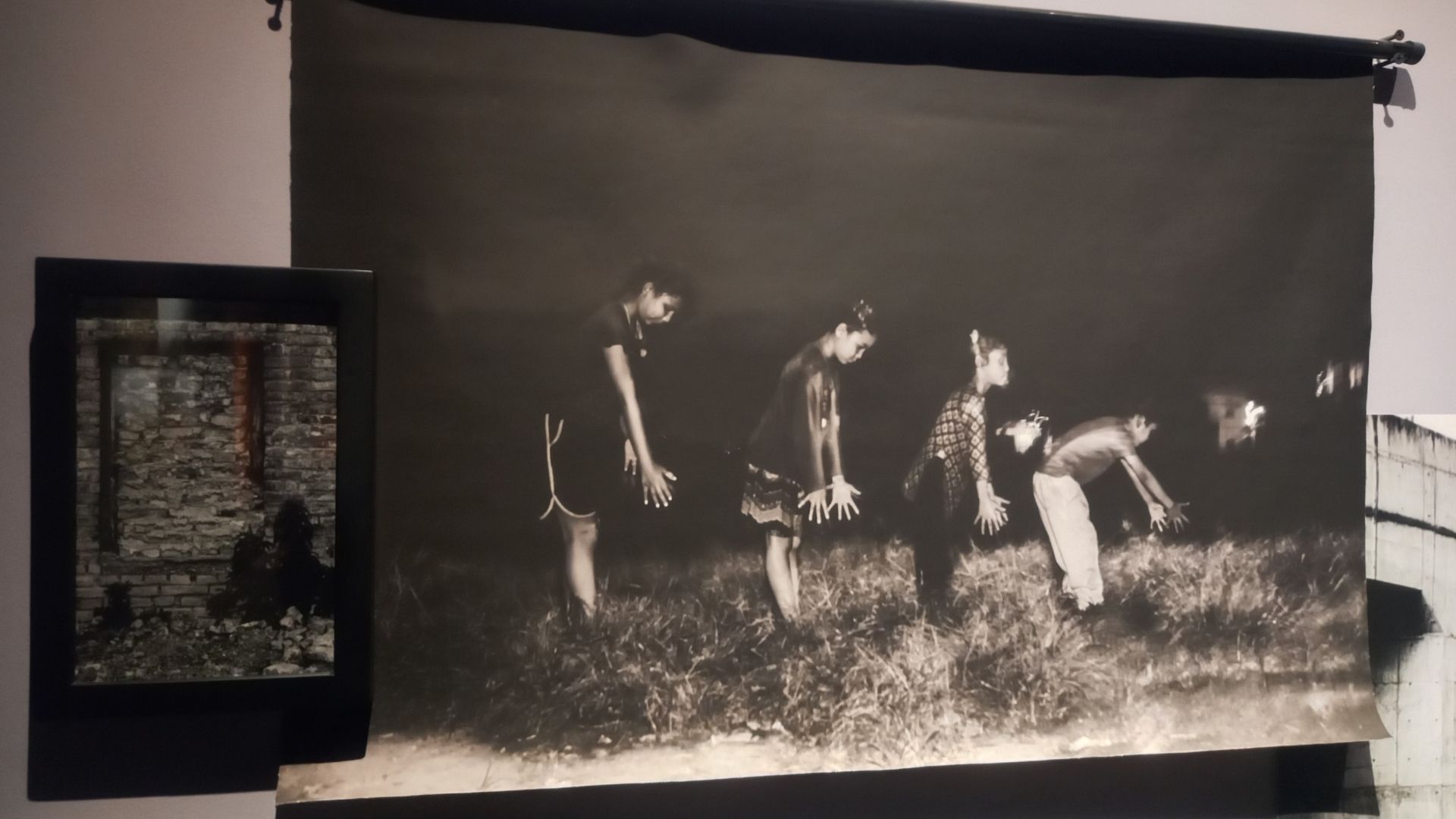
This year’s theme “Global South Solidarities” reflects that intention. The festival focuses on contemporary issues, political lives of images and how they shape history and future. It brings together work of over 16 national and international artists, with a total of 18 exhibitions.
“Ji ta newa bhyaa mawa” by Jyoti Shrestha is one of the exhibitions, an emotional journey of reconnecting with Nepal Bhasa, an endangered mother tongue. According to Jyoti, she lost the chance to get to know her grandmother because Jyoti did not speak her mother tongue. “I’ve lost so much simply because of it. I can’t even measure it. Native language is beyond a tool of communication, it’s a medium to know where one comes from,” says Jyoti Shrestha.
Alongside Jyoti's work, several artists have their work in the exhibition resonating with the theme.
“All that land holds” features works by Nepali artists, telling stories of identity, cultural memory and often invisible or unacknowledged consequences development projects impose on marginalised communities.
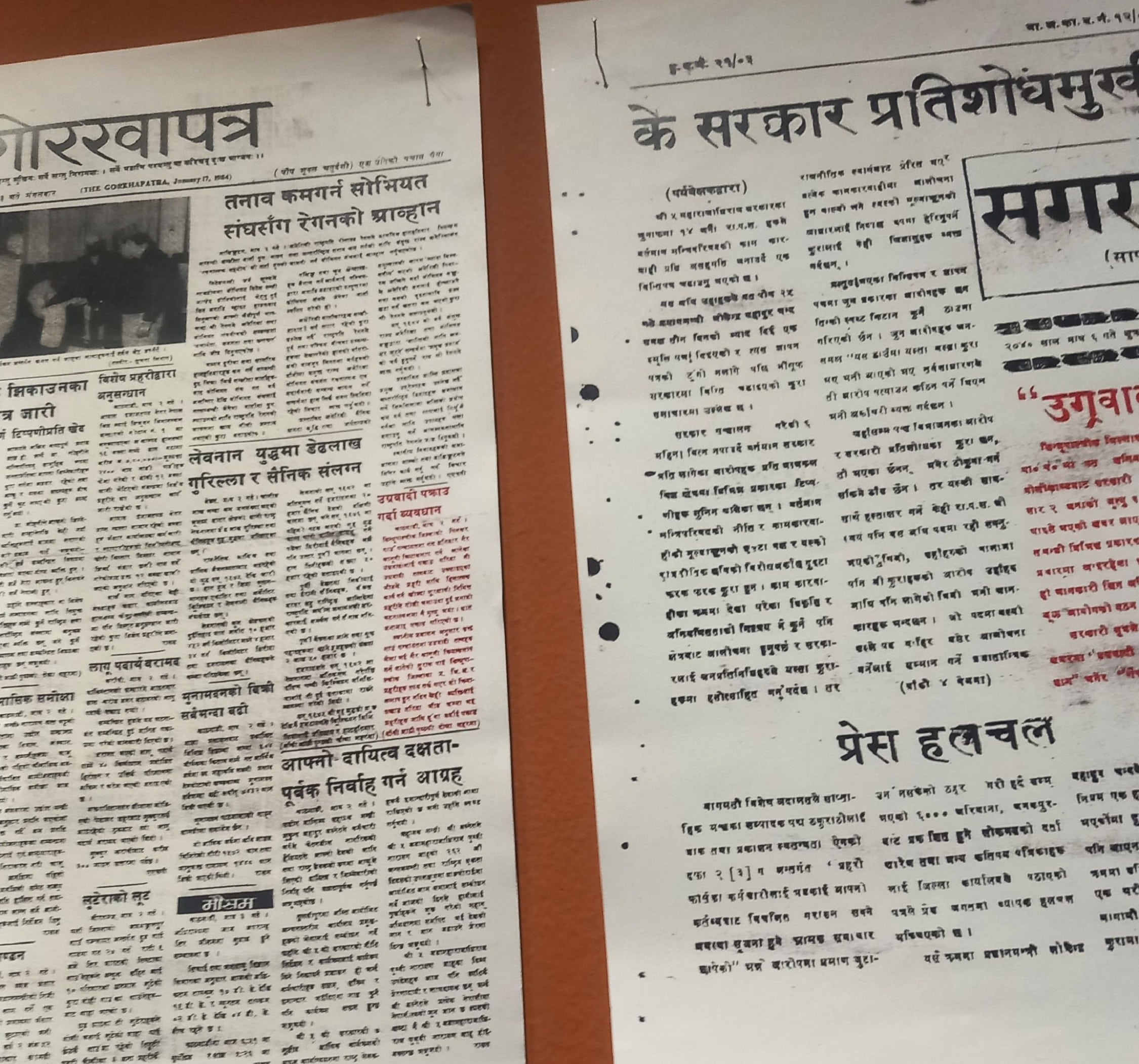
The exhibition reflects deeply on historical events such as the Piscar Massacre and its present day impacts. “The King didn’t like the song” by Manoj, is a remembering of the massacre in a Nepali village, showing how culture, songs became acts of resistance against an oppressive regime.
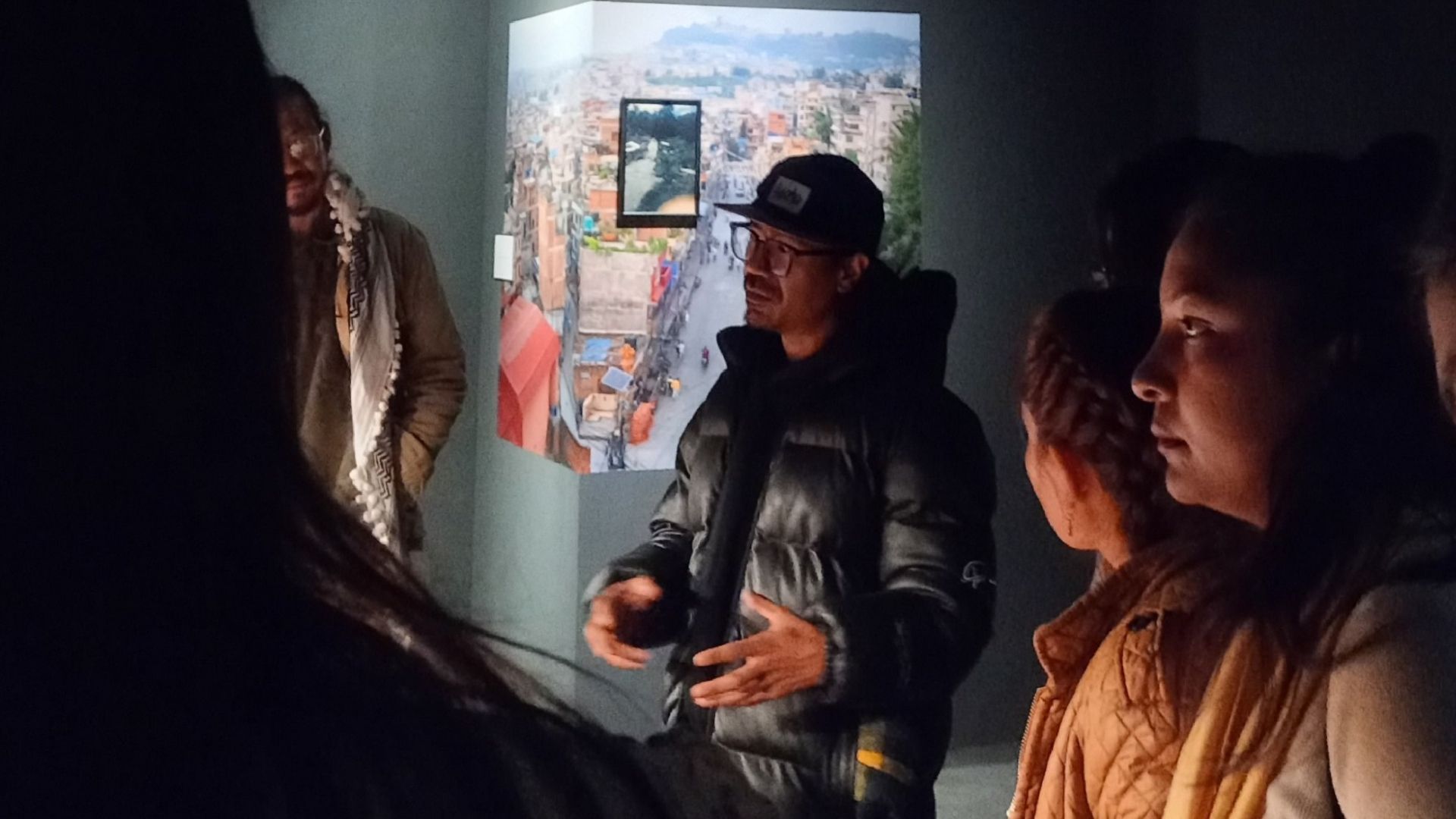
“As a squatter settler, I imagine a home for us, love for all and life for all” says Manjit Lama, another exhibitioner. His work “Permanent and passing: Informal squatter settlements” explores lives that live in land without formal recognition, reflecting on broader issues on land and identity.
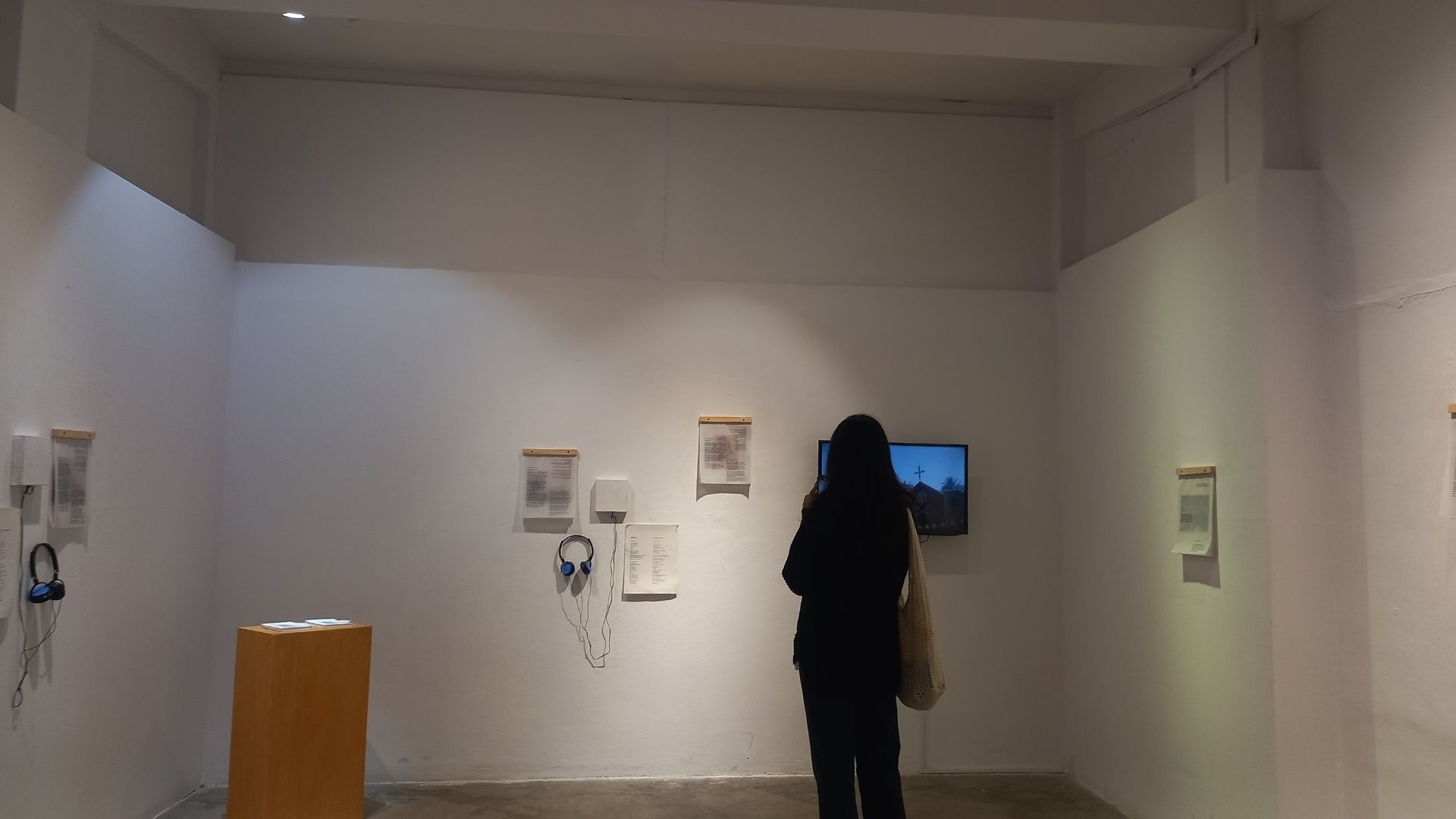
Another artist Ahmed Alaqra has curated numerous exhibitions across Europe and the Arab world. “Between us, there is a thread” by Ahmed at the festival consists of intimate exchange of letters and images that keeps dispersed Palestinians and their allies connected through care, memory and resistance.
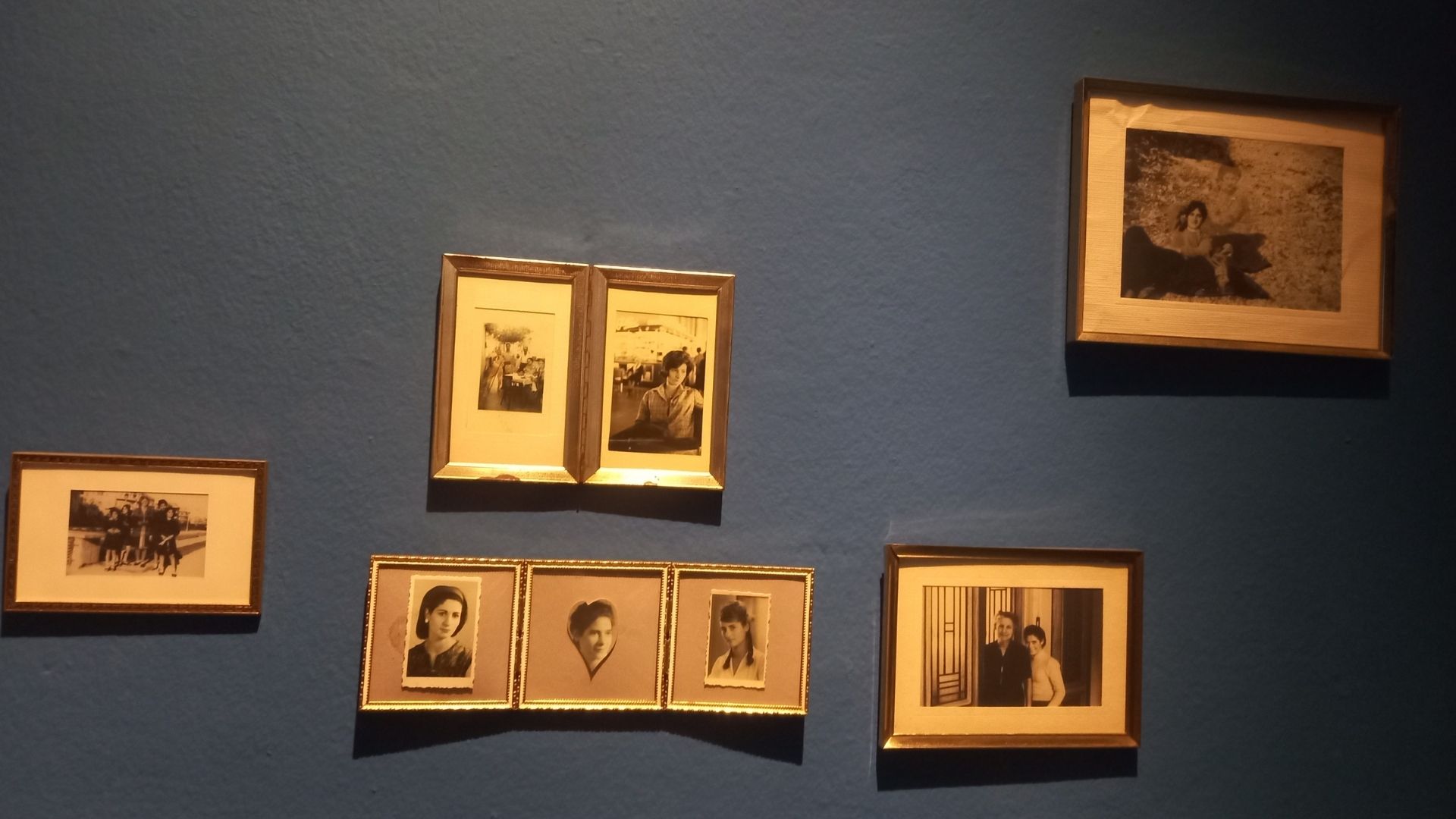
“Possible and imaginary lives” by Yasmin Eid-Sabbagh, is a retelling of four Palestinian sister’s lives that uses memory, exile and family archives to preserve a history constantly threatened with erasure.
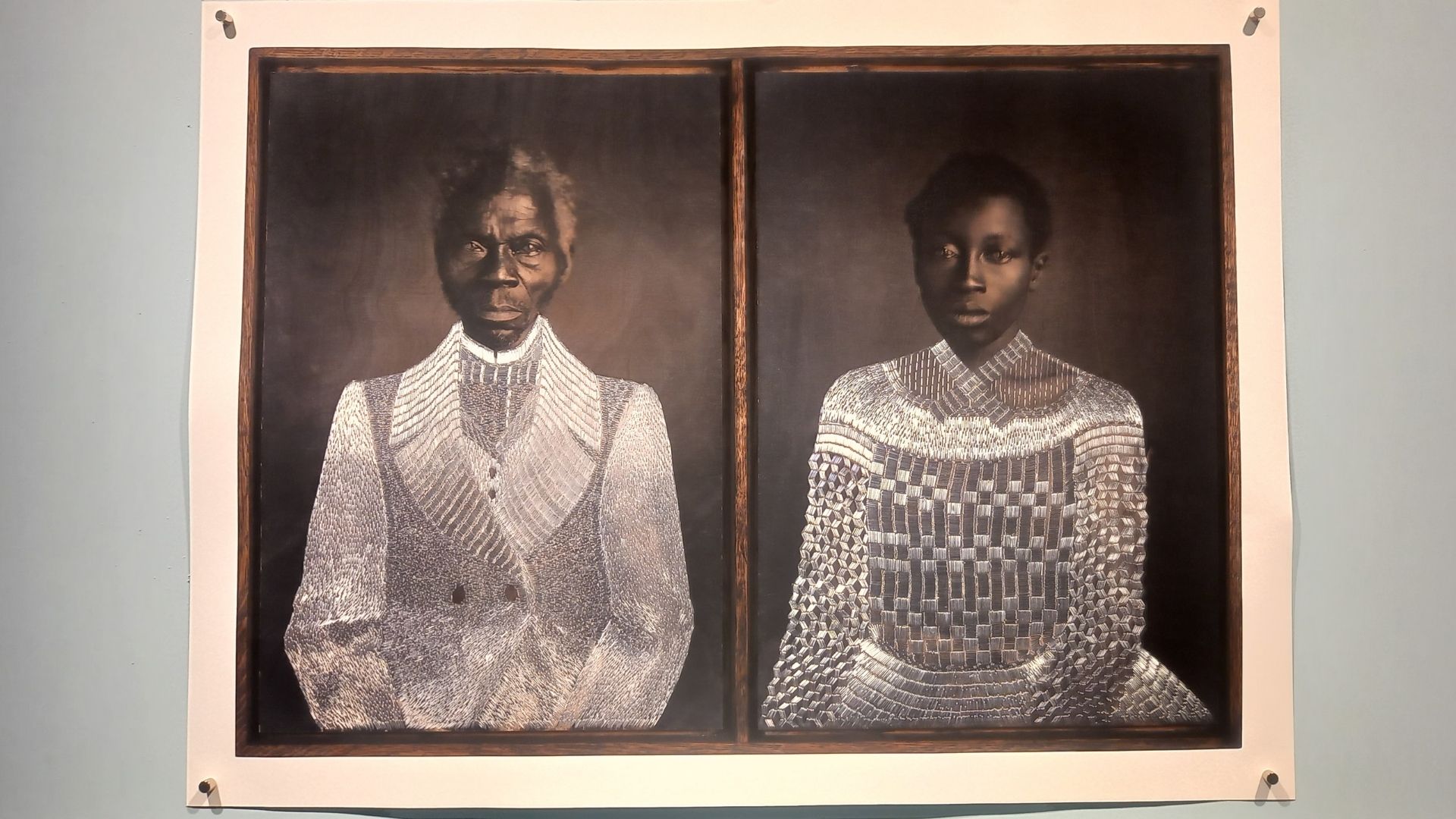
“Tailoring freedom, pictures of reparation” by Sasha Huber is about reclaiming dignity of enslaved people who were photographed without consent and supporting the effort to return them to their descendants.
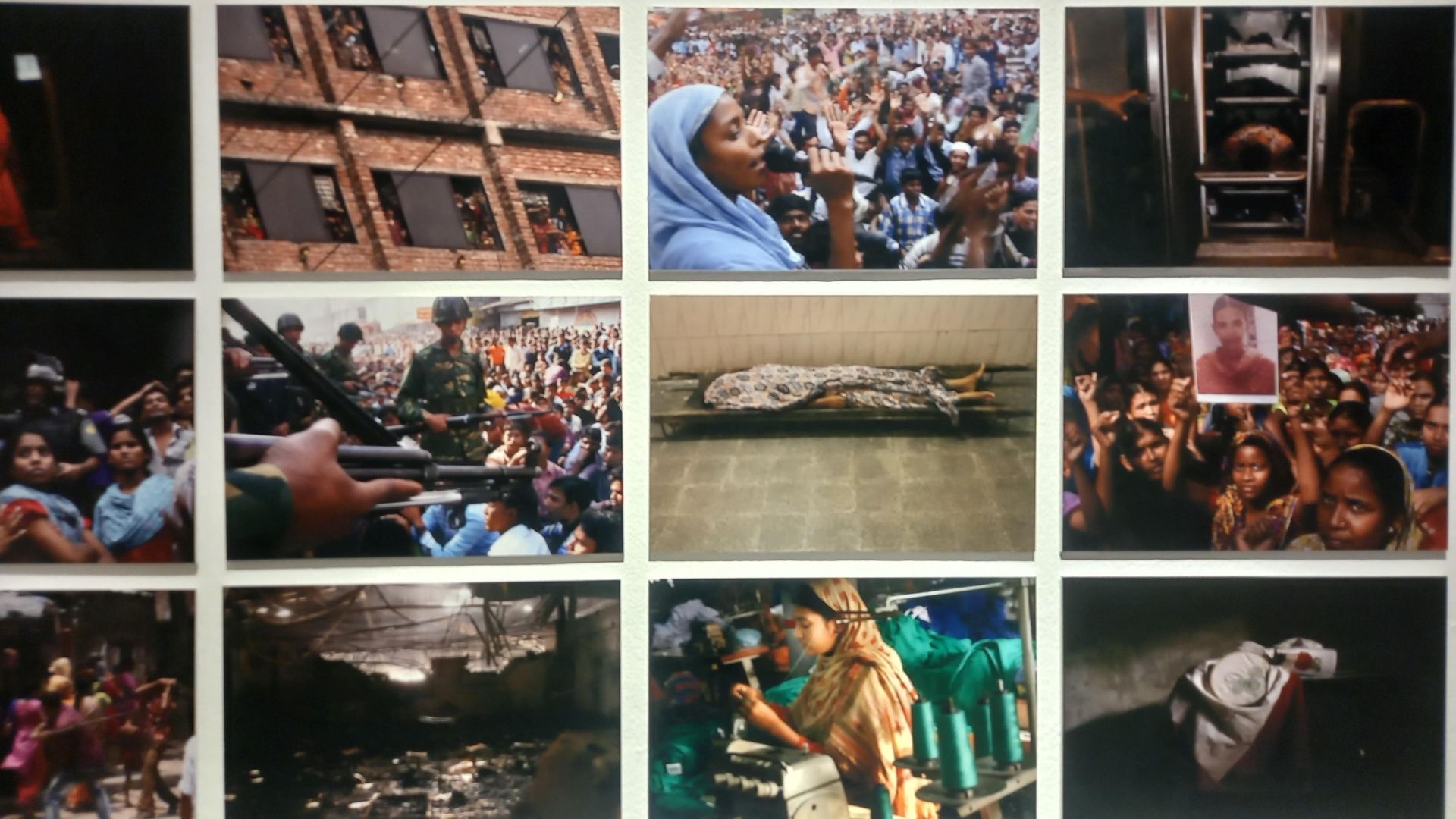
“Life and struggle of garment workers” by Talishma Akhter, covers the harsh reality of garment workers in Bangladesh particularly women, whose dreams are crushed by low wages, dangerous factories and constant struggle.
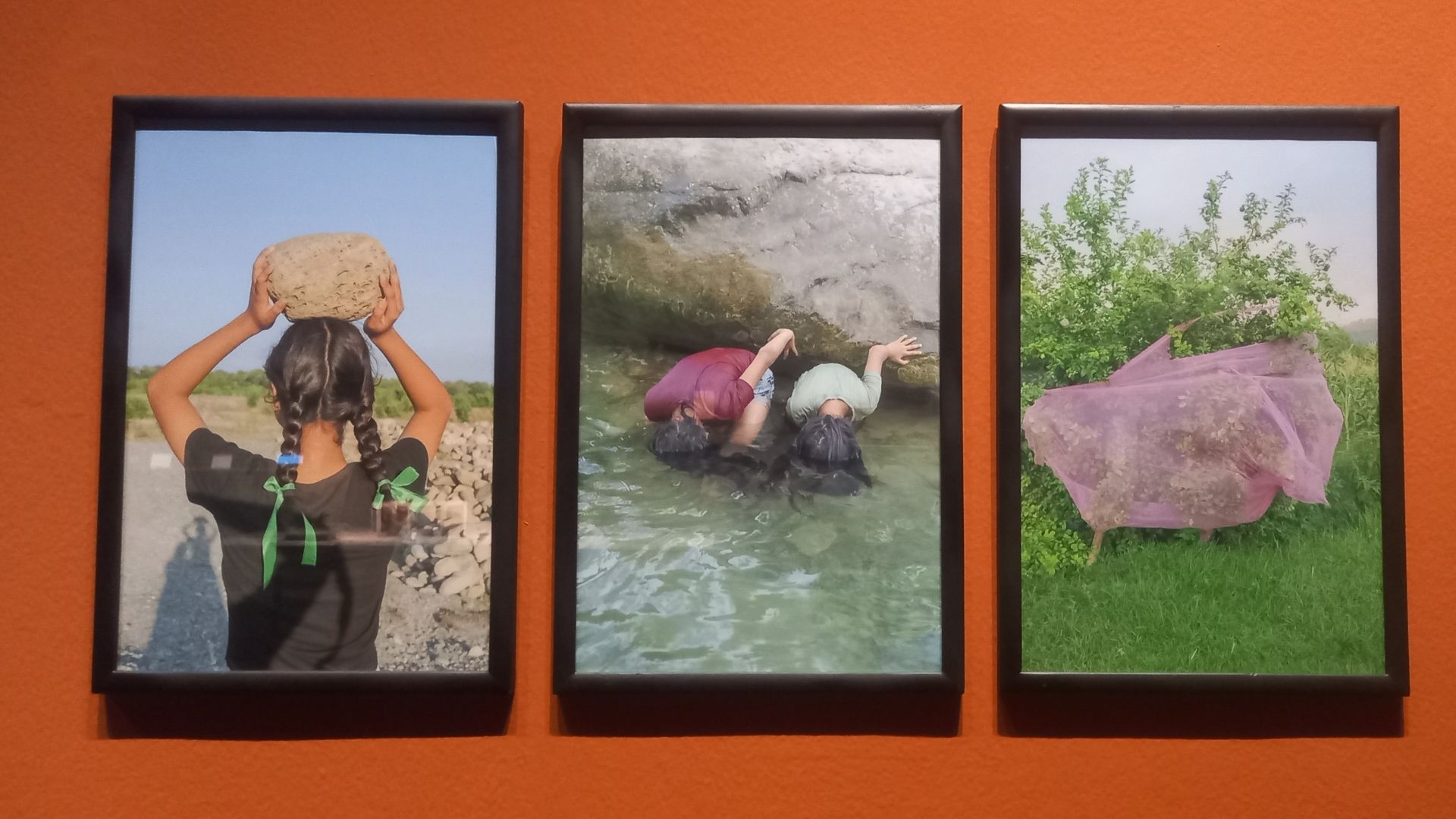
“Loss. Memory” is how Sushila Bishwokarma describes her work “Tender,” currently in exhibition at the sixth edition of PhotoKTM festival. “Tender” bears witness to the changing shapes and sizes of stones, forests, hills, streams of Sushila, the artist’s village, as it undergoes modernisation.
The exhibition is taking place at Nepal Art Council, having started on November 14 and will continue till December 14. More than 7,500 people have visited the exhibitions by December 3.
Alongside the main exhibition, pop-up were held in Mangahiti, Patan,Tribhuvan University, Kirtipur and Nandi Keshar Bagaincha in Naxal (Dec 2 - 7). The next and final stop will be Nighi Pukhu in Madhyapur Thimi (Dec 10-14).
Read More Stories

NEPSE falls nearly 75 points as market sentiment wavers
The stock market was unable to maintain the gains seen on Tuesday, slipping...
India has begun its long-delayed population census. Here's why it matters
India has begun the worlds largest national population count, which could reshape welfare...
The United Nations has called on Israel to repeal a law passed by...


Business + Finance + Economy + Tech + Environment + Nepal & South Asia + In-depth Analysis + News + Investigation + Research + Expert Opinion + Anatomy of Complex Issues.