Nepal Oil Corporation | Energy | security | ethanol | biofuel | carbon emission | agriculture
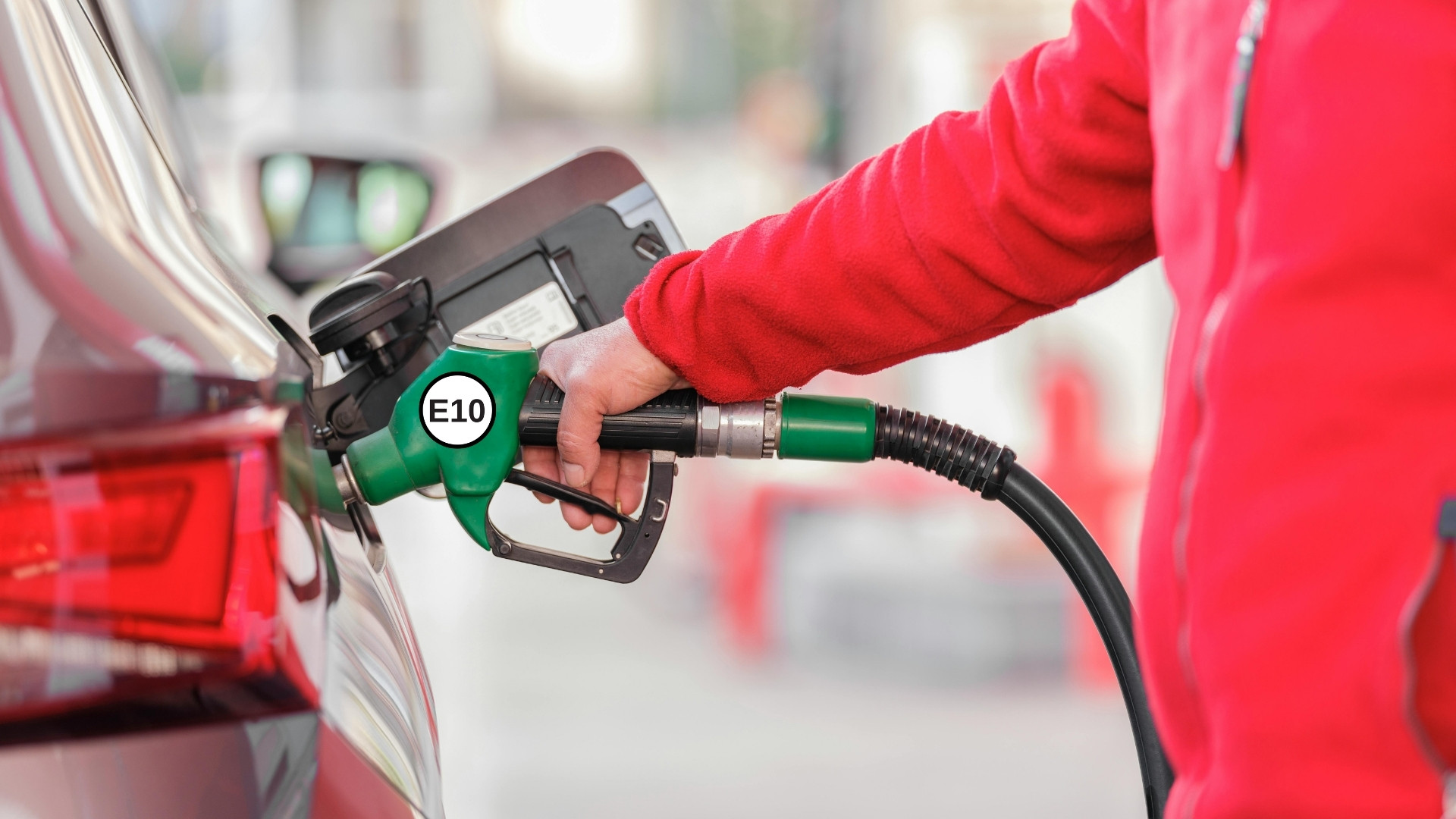
Following the government’s endorsement of the Order on Using Ethanol Blended Petrol, 2082 last week, the Nepal Oil Corporation (NOC) is now authorised to mix ethanol with petrol for distribution in the domestic market.
Ethanol blending is the process of blending biofuel ethanol, produced from crops such as sugarcane, corn and cassava (Simal Tarul), with conventional petrol. The blending is widely promoted for cleaner-burning fuel curbing carbon emissions, reducing reliance on fuel imports, and strengthening energy security.
Due to its usefulness, Nepal decided on ethanol blending decades back in 2003. A blending plant was even set up at the NOC’s Amlekhgunj depot a few years later. But implementation remained far cry despite several policy commitments, including reference in the 2014/15 annual policy and program, a Biomass Energy Strategy in 2017 and successive annual budgets.
Momentum picked up recently after NOC stepped up its effort issuing “Regulation related to Ethanol blending in Petrol, 2024” using authority granted by its by-law. The move comes finally after decades of reliance on fuel imports, all purchased from India. In the first five months of the current fiscal year alone, the country spent NRs 121 billion on fuel imports, exceeding export earnings of NRs 116.5 billion. Nearly 23% of the import bill, or NRs 27.3 billion, was spent on petrol alone.
Indian experience
While Nepal has finally shown green light to the blending practice, India shares a similar timeline with ethanol blending as Nepal, except that it has been in practice for years in India.
India, heavily reliant on fuel imports just like Nepal, introduced the blending in 2001, and formalised it two years later with its Ethanol Blended Petrol (EBP) Programme. It blended ethanol from plant sources (like sugarcane, maize) with a modest 5% target, but struggled to reach high levels until 2014. Following several policy-level interventions since 2014, the ethanol blending reached 10% in 2022, 14.6% in 2024 and successfully 20% (E20) in 2025, in what is referenced as E20, a target it had set for 2030.
It now aims to increase its blending level to 30% by 2030.
Indian authorities say the blending has significantly benefited farmers and the rural economy while reducing oil imports. According to its Ministry of Petroleum and Natural Gas, it saved over ₹1.44 trillion in foreign exchange in 11 years by blending ethanol from 2014/15 to 2024/2025. It also substituted about 24.5 million metric tonnes of crude oil, and reduced CO₂ emissions by around 73.6 million metric tonnes, equivalent to planting 300 million trees. The ministry expects farmers will receive payment ₹40,000 crore and forex savings estimated at ₹43,000 crores in 2025 alone.
The ministry released the press note in response to critics arguing that India’s E20 causes a drastic reduction in fuel efficiency and accelerates wear-and-tear of motor parts, a concern growing among Indian motorists. The ministry said that these concerns are misplaced.
Additionally, there are ongoing questions about ensuring feedstock supply, net environmental benefits and food security relating to ethanol production in India. In 2023/24, maize contributed more than 40% of its total ethanol production, overtaking sugarcane and rice, signalling a notable shift in India’s agricultural practice.
Elsewhere in Asia, China currently blends at 1.8% to 2% level and is looking at 8% to 12% with a new mandatory national standard.
Nepal’s rollout plan
NOC, which recorded a net profit of NRs 13.64 billion in the last fiscal year, looks to implement the government policy of blending ethanol from this year. In 2024/25, NOC imported 743 million litres of petrol. A 10% blend would roughly require around 200,000 litres of ethanol on a daily basis. At an early stage, NOC plans to start with less than 5% blending.
The corporation, which is tasked with the responsibility of production, blending, establishing pricing and setting the purchasing price of the product, developed regulations for ethanol blending in 2024 with the then-Minister for Industry, Commerce and Supplies Damodar Bhandari announcing that the price framework remains to be fixed.
Bioethanol for fuel blending must have a minimum purity (ethanol content) of 99.5% by volume, which can be produced from sugarcane, cassava, wheat and corn. Sugarcane is one the most widely used raw material for its cost-effectiveness, efficiency and yield.
NOC plans to mobilise private-sector investment in ethanol production. Several sugar mills have reportedly expressed interest in supplying ethanol to the corporation. Additionally, according to a report, an NRN-backed industry under Kiaan group has expressed interest in operating ethanol plants in the country using cassava as feedstock. These prospective suppliers are seeking market assurance through purchase guarantee and a clear pricing mechanism. According to an NOC representative, discussions with sugar mills have been productive, with commitments to supply 50,000 litres per day; however the corporation must first establish quality standards.
This approach aligns with the government’s 2017 strategy, which laid out plans to promote bioethanol. The strategy proposed purchasing domestically produced bio-ethanol even at 10% additional price than that of imported diesel and petrol.
The strategy also called for making necessary legal and institutional provisions, providing financial concessions, subsidies, and concessional loans to producers and refineries, and undertaking research and development for production, processing, quality control, market promotion, and expansion.
In India, however, the government has said it cannot sustain tax benefits recommended by its planning commission Niti Aayog in 2021 for the country’s E20 consumers. “Over time, procurement price of ethanol has increased and now the weighted average price of ethanol is higher than cost of refined petrol,” its ministry said in August.
Read More Stories

NEPSE falls nearly 75 points as market sentiment wavers
The stock market was unable to maintain the gains seen on Tuesday, slipping...

India has begun its long-delayed population census. Here's why it matters
India has begun the worlds largest national population count, which could reshape welfare...

The United Nations has called on Israel to repeal a law passed by...


Business + Finance + Economy + Tech + Environment + Nepal & South Asia + In-depth Analysis + News + Investigation + Research + Expert Opinion + Anatomy of Complex Issues.